
Are you tired of digging through piles of gear every time you go camping? Imagine opening your bag and finding exactly what you need, right when you need it.
Organizing your camping gear doesn’t have to be a chore. With a few simple tips, you can save time, reduce stress, and make your outdoor trips more enjoyable. Keep reading to discover easy ways to keep your gear neat, accessible, and ready for your next adventure.
Your future camping trips will thank you!
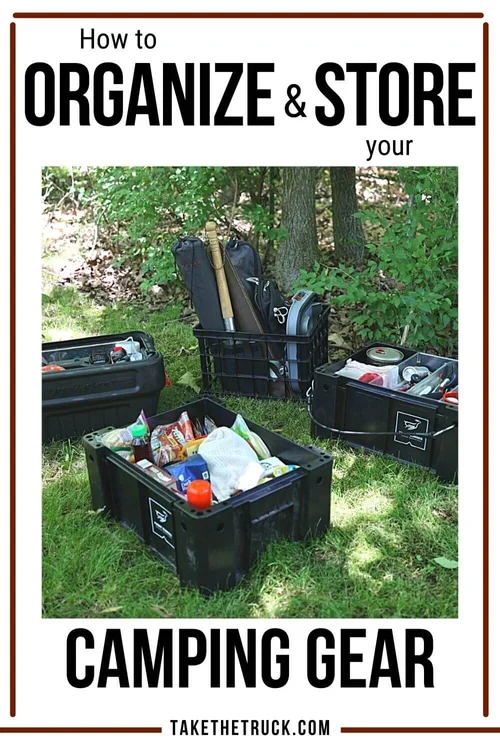
Credit: www.takethetruck.com
Essential Gear Checklist
Creating an essential gear checklist helps make camping trips smooth and safe. It ensures nothing important is left behind. Organizing your gear by needs saves time and reduces stress at the campsite.
Focus on what is truly necessary. Keep your list clear and simple. This way, packing becomes faster and more efficient.
Categorize By Function
Group your gear based on its purpose. For example, separate cooking tools from sleeping equipment. This makes it easier to find items quickly.
- Cooking gear: stove, utensils, pots, fuel
- Sleeping gear: tent, sleeping bag, pad
- Clothing: weather-appropriate clothes, rain gear
- Safety and navigation: first aid kit, map, compass
- Personal items: toiletries, flashlight, insect repellent
Prioritize Must-haves
Identify items you cannot do without. These should be packed first and checked twice. Essentials include shelter, food, water, and safety tools.
- Tent and stakes
- Water bottles or hydration system
- Food supplies and snacks
- First aid kit
- Weather-appropriate clothing
- Lighting: flashlight or headlamp
Seasonal Adjustments
Change your checklist depending on the season. Cold weather needs warmer gear and extra layers. Hot weather requires sun protection and lighter clothes.
| Season | Key Gear Adjustments |
|---|---|
| Winter | Insulated sleeping bags, thermal clothing, hand warmers |
| Summer | Sun hat, sunscreen, insect repellent, lightweight clothes |
| Spring/Fall | Waterproof jacket, layered clothing, extra socks |
Packing Techniques
Packing your camping gear correctly saves space and keeps things easy to find. Good packing techniques help avoid damage and make your trip smoother. Focus on smart ways to pack, so you carry only what you need without wasting space.
Use Compression Bags
Compression bags shrink bulky items like clothes and sleeping bags. They push out air, making your gear smaller. This creates more room in your backpack or suitcase. Choose durable bags that seal tightly to protect from moisture and dirt.
Layer Strategically
Place heavy items at the bottom to keep balance. Put lighter things on top for easy access. Use soft items like clothes to cushion fragile gear. Layering helps you reach essentials without unpacking everything.
Maximize Space Efficiency
Fill small gaps with socks or utensils to avoid wasted space. Roll clothes instead of folding to save room and reduce wrinkles. Group similar items in separate pouches for quick packing and unpacking.
Storage And Maintenance
Keeping your camping gear in top shape requires more than just packing it up after each trip. Proper storage and regular maintenance ensure your equipment lasts longer and performs better. Neglecting these steps can lead to frustration when you’re ready to head outdoors again.
Label And Store Properly
Labeling your gear makes finding what you need quick and easy. Use waterproof labels or tags to mark boxes, bags, and containers with contents like “Cooking Supplies” or “Sleeping Gear.” This helps you avoid digging through piles of equipment before every trip.
Store your gear in a dry, cool place away from direct sunlight. Use clear plastic bins to protect items from dust and moisture, so you don’t face moldy tents or rusted tools later. Consider hanging backpacks and jackets to keep their shape intact.
Clean After Each Trip
Leaving dirt or moisture on your gear invites damage and odors. After every outing, brush off dirt and mud from tents, sleeping bags, and backpacks. Wipe down cooking equipment and dry everything thoroughly before packing it away.
Have you ever opened your tent bag only to find a musty smell? That’s a sign moisture wasn’t fully removed. Air out your tents and sleeping bags in a shaded area before storing them to prevent this problem.
Routine Gear Inspection
Regularly check your equipment for wear and tear. Look for holes in tents, frayed cords, or broken zippers. Catching these issues early saves you from unexpected failures on your next adventure.
Test your stove and lantern before packing to ensure they work properly. Inspect ropes and carabiners for cracks or weak spots. Making a checklist can help you stay organized and focused during inspections.

Credit: www.takethetruck.com

Credit: www.youtube.com
Frequently Asked Questions
How Do I Categorize Camping Gear Effectively?
Categorize gear by type: cooking, sleeping, clothing, and safety. Use labeled bins or bags for each category. This simplifies packing and ensures nothing is forgotten.
What Are The Best Storage Solutions For Camping Gear?
Use durable, waterproof containers or backpacks with compartments. Clear bins help identify contents quickly. Compression sacks save space for clothing and sleeping bags.
How Can I Keep My Camping Gear Organized On Trips?
Assign specific spots in your vehicle or tent for each item. Use hanging organizers or mesh pockets inside tents. Regularly return gear to its designated place after use.
How Often Should I Clean And Check Camping Gear?
Clean gear after every trip to prevent damage and pests. Inspect for wear or broken parts before storage. Proper maintenance extends gear life and reliability.
Conclusion
Organizing your camping gear saves time and reduces stress outdoors. Keep your items in clear, labeled containers for easy access. Pack only what you need to stay light and efficient. Regularly check and clean your gear after each trip. Simple habits help you enjoy camping more.
Start organizing today for a smoother adventure tomorrow.