
Raising your car on jack stands might seem tricky, but with the right steps, you can do it safely and confidently. Whether you’re changing a tire or working underneath your vehicle, knowing how to use jack stands properly is essential.
In this guide, you’ll learn simple tips to keep your car steady and yourself protected. Ready to take control and make your next car repair easier? Keep reading, and you’ll master the process in no time.

Credit: www.youtube.com
Choosing The Right Jack Stands
Choosing the right jack stands is crucial for safe vehicle maintenance. The correct stands provide stability and prevent accidents. Selecting the proper type and weight capacity keeps you secure while working under your car.
Types Of Jack Stands
Jack stands come in different styles. The most common types include:
- Pyramid Jack Stands:Feature a wide base for strong support. Easy to use and very stable.
- Ratchet Jack Stands:Adjustable height with a locking mechanism. Quick to set but must be locked properly.
- Pin-Type Jack Stands:Use a steel pin to secure height. Reliable and often used for heavier vehicles.
Choose a type that suits your vehicle and the work you plan to do.
Weight Capacity And Safety Ratings
Each jack stand has a weight limit. This limit must match or exceed your vehicle’s weight. Check the stand’s safety ratings before buying.
Look for stands with certifications like ANSI or ASTM. These show the stands meet safety standards.
Using stands with too low a weight capacity risks collapse and injury. Always use stands rated for your vehicle’s full weight.
Credit: kashylachlan.medium.com
Preparing Your Vehicle
Before you lift your car with jack stands, getting your vehicle ready is crucial for safety and effectiveness. Skipping this step can lead to unstable lifting and potential accidents. Taking time to prepare ensures your car stays secure while you work underneath.
Selecting A Level Surface
Always park your car on a flat, level surface before lifting it. Uneven ground can cause the jack or stands to slip, risking a dangerous fall. Driveways or garage floors made of concrete or asphalt are ideal choices.
Think about the last time you tried to change a tire on a slope—did you feel nervous about the car rolling? That’s why a level surface is not negotiable. It’s the foundation of a safe lifting process.
Engaging Parking Brake And Wheel Chocks
Once your car is on a level surface, engage the parking brake firmly. This prevents the vehicle from moving unexpectedly while it’s raised. But don’t stop there.
Place wheel chocks on the wheels that will remain on the ground. Use sturdy blocks or rubber chocks to stop any rolling. This double-lock system keeps your car from shifting, giving you peace of mind.
Have you ever underestimated how much a slight nudge can move a car? Using both the parking brake and wheel chocks stops that from happening, letting you focus on the job safely.
Lifting The Car Safely
Lifting a car safely on jack stands is essential to prevent accidents and ensure your work goes smoothly. The process demands attention to detail and patience. Skipping safety steps can lead to serious injury or damage to your vehicle.
Positioning The Jack
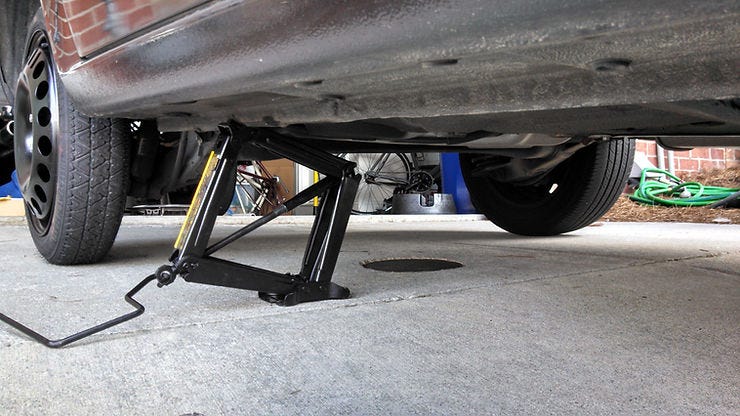
Start by locating the car’s designated jacking points. These spots are reinforced and designed to bear the car’s weight safely. Using the wrong area can damage the car or cause the jack to slip unexpectedly.
Place the jack directly under the jacking point and ensure it is stable on the ground. If the surface is uneven or soft, use a sturdy board to create a flat, firm base. Have you ever felt unsure if the jack was steady? Taking a moment to double-check can save you from potential danger.
Raising The Vehicle Gradually
Lift the car slowly and steadily, raising it just a few inches at a time. After each small lift, pause to check the jack’s position and the car’s balance. This cautious approach helps you catch any instability early.
Once you’ve lifted the car high enough, slide the jack stands into place under the recommended support areas. Lower the vehicle gently onto the stands, making sure it rests securely before removing the jack. Rushing this step is risky—have you noticed how many accidents happen due to impatience?
Placing And Securing Jack Stands
Placing and securing jack stands is a crucial part of safely lifting your car. This step ensures stability and prevents accidents. Proper placement helps the car stay steady while you work underneath. Taking time to position the stands correctly protects both you and your vehicle.
Locating Proper Support Points
Find the strong parts of the car frame to place the jack stands. Look under the car for reinforced metal areas. Check the owner’s manual for exact support locations. Avoid placing stands on soft parts like the exhaust or plastic panels. Use flat, level ground to keep the stands steady.
Lowering The Car Onto Stands
Slowly lower the car using the jack until it touches the stands. Make sure the stands are centered under the support points. Lower the car gently to avoid slipping or shifting. Once the car rests on the stands, give it a slight push to confirm stability. Never rely only on the jack to hold the car up.

Credit: www.fiat500usa.com
Frequently Asked Questions
How Do You Safely Position Jack Stands Under A Car?
Place jack stands under the car’s designated lift points. Ensure the ground is flat and solid. Slowly lower the car onto the stands, confirming they are stable before working underneath.
What Type Of Jack Stand Is Best For Lifting Cars?
Steel jack stands with adjustable height and wide bases are ideal. They provide strong support and stability. Avoid using plastic or lightweight stands for safety reasons.
How High Should You Raise A Car On Jack Stands?
Raise the car just enough to comfortably access the work area. Typically, 18 to 24 inches is sufficient. Avoid lifting higher than necessary to maintain stability.
Can Jack Stands Be Used On Uneven Surfaces?
No, jack stands should only be used on flat, hard surfaces. Using them on uneven ground risks instability and accidents. Always prepare a solid base before lifting.
Conclusion
Raising a car on jack stands is simple with the right steps. Always place the stands on solid, flat ground. Make sure the car is secure before working underneath. Double-check the jack stands’ position for safety. Take your time and follow each step carefully.
Safety should always come first. Using jack stands properly protects you and your vehicle. Now, you can work on your car with confidence and care. Practice these steps to feel more comfortable every time.