
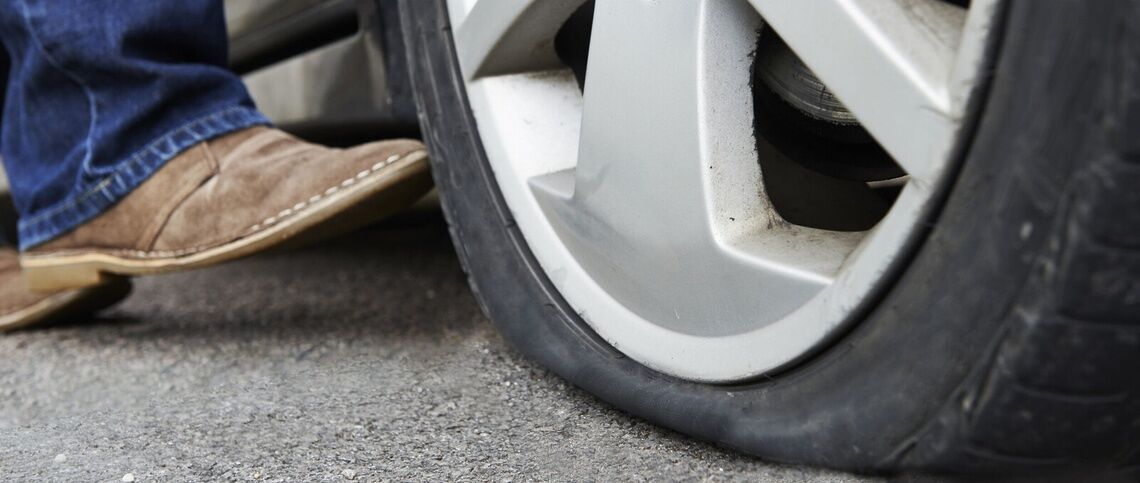
Imagine you’re driving and suddenly feel your car wobble—your tire has gone flat. It’s frustrating and can make you feel stuck.
But what if you could fix it yourself quickly and safely? Knowing how to replace a flat tire on your car puts you in control and saves you time and money. In this guide, you’ll discover simple, step-by-step instructions that anyone can follow.
Keep reading, and you’ll gain the confidence to handle a flat tire like a pro the next time it happens to you.
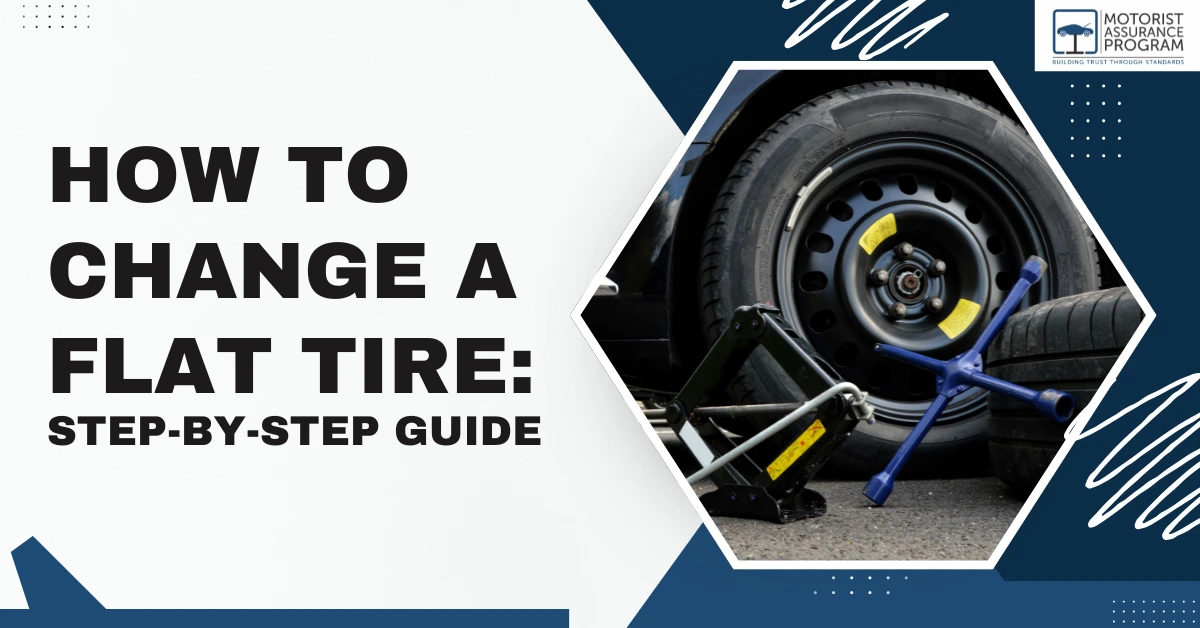
Credit: motorist.org
Prepare Your Car And Tools
Preparing your car and tools before changing a flat tire is crucial for safety and efficiency. Taking the right steps early can prevent accidents and save you time. It’s not just about having the tools but also ensuring your environment is secure and ready.
Find A Safe Location
Start by moving your car to a flat, stable surface away from traffic. Avoid soft ground or steep slopes where the car could slip or roll. If you’re on a busy road, look for a wide shoulder or a parking lot nearby.
Turn on your hazard lights to alert other drivers. This simple action can prevent accidents and give you peace of mind while working on your tire. Have you ever noticed how many people forget this step? It’s easy to overlook but vital.
Gather Necessary Equipment
Before you start, collect all the tools you’ll need in one place. This usually includes:
- Spare tire
- Car jack
- Lug wrench
- Wheel wedges or blocks
- Gloves for hand protection
- Flashlight if it’s dark
Check your spare tire’s pressure and condition regularly. A flat spare won’t help you much. I once learned this the hard way when my spare was flat, and I had to call for help—don’t let that happen to you!
Organizing your tools before you start saves frustration. Imagine scrambling for your lug wrench in the dark or pouring rain. Having everything ready makes the job smoother and quicker.

Credit: www.continental-tires.com
Remove The Flat Tire
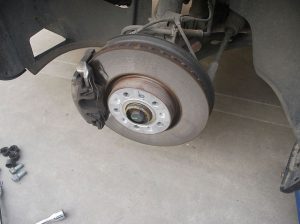
Removing the flat tire is a key step in fixing it. Follow these simple actions carefully. This part prepares your car for the new tire. Safety and proper tools are important here.
Loosen Lug Nuts
Use a lug wrench to turn the lug nuts counterclockwise. Do this while the tire is still on the ground. This stops the tire from spinning. Loosen the nuts but do not remove them yet. You need to apply strong force, so be ready.
Lift The Car With A Jack
Place the jack under the car’s frame near the flat tire. Find the lifting point in your car manual. Pump the jack handle to raise the car. Lift it until the flat tire is off the ground. Make sure the car is stable before moving on.
Take Off The Flat Tire
Now, fully unscrew the loosened lug nuts. Keep them in a safe place to avoid losing. Gently pull the flat tire straight off the wheel hub. Place it aside carefully. Your car is ready for the spare tire or repair.
Install The Spare Tire
Installing the spare tire is a crucial part of getting your car back on the road quickly and safely. This step requires careful handling to ensure the spare fits correctly and functions well until you can repair or replace your flat tire. Let’s break down the process so you can confidently install your spare tire without stress.
Place The Spare Tire
Lift the spare tire carefully and align it with the wheel studs. You want to slide it onto the hub smoothly without forcing it, which could damage the studs or the tire itself.
Once positioned, hold the tire in place. This might feel awkward at first, but steady hands help prevent the tire from slipping as you prepare to secure it.
Tighten Lug Nuts
Start by screwing the lug nuts onto the studs by hand. This avoids cross-threading and makes the final tightening easier.
Use your wrench to snug the lug nuts in a star pattern. This ensures the tire seats evenly against the hub. Don’t fully tighten them yet; just enough to keep the tire secure.
Lower The Car And Final Check
Carefully lower your car using the jack until the spare tire touches the ground and supports the vehicle’s weight.
Now, fully tighten the lug nuts with your wrench, again following the star pattern. This step is vital because loose nuts can cause the tire to wobble or fall off.
After tightening, give the tire a quick spin to check for any wobbling. If it feels stable, you’re ready to drive—just remember to get your flat tire fixed soon.
Credit: www.michelin.ca
Frequently Asked Questions
How Do I Safely Lift My Car To Change A Tire?
Use a jack on a flat, stable surface. Place the jack under the car’s frame near the tire. Lift the car until the flat tire is off the ground. Always engage the parking brake and use wheel chocks for safety.
What Tools Do I Need To Replace A Flat Tire?
You need a jack, lug wrench, spare tire, and wheel chocks. A flashlight helps if it’s dark. Keep these tools in your car for emergencies. Having gloves and a reflective vest can improve safety and comfort.
How Do I Loosen Lug Nuts On A Flat Tire?
Turn the lug wrench counterclockwise to loosen nuts. Loosen them slightly before lifting the car. Use steady force and avoid stripping the nuts. If they are tight, use your body weight for extra leverage.
Can I Drive On A Spare Tire Temporarily?
Yes, but only on a spare tire made for temporary use. Drive slowly and avoid long distances. Most spares are smaller and less durable than regular tires. Replace it with a full tire as soon as possible.
Conclusion
Replacing a flat tire does not have to be hard. With the right tools and steps, anyone can do it safely. Always park your car on a flat surface and use the parking brake. Remember to loosen the lug nuts before lifting the car with a jack.
Change the tire carefully and tighten the nuts in a star pattern. Check the tire pressure after replacing it. Practice these steps to feel more confident on the road. A little preparation can save time and stress in emergencies. Stay safe and keep your car ready to drive.