
Are you confident that you’re using your car’s signal lights the right way every time? Knowing how to signal light in your car isn’t just about following rules—it’s about keeping you and everyone around you safe.
Whether you’re turning, changing lanes, or pulling over, the right signal can prevent accidents and confusion on the road. You’ll discover simple tips and clear steps to master signaling like a pro. Keep reading, and you’ll gain the skills that make your driving smoother and safer—because your safety matters.

Credit: www.ebay.ca
Types Of Signal Lights
Signal lights help drivers communicate on the road. They show your intentions to other drivers. Knowing the types of signal lights is important for safe driving. Each type serves a specific purpose to avoid accidents and confusion.
Turn Signals
Turn signals show your plan to turn left or right. They blink on the side you want to turn. Use them before making a turn or changing lanes. This alerts other drivers and pedestrians about your move.
Hazard Lights
Hazard lights flash all signal lights at once. Use them to warn others of danger or a problem. Turn them on if your car breaks down or you stop suddenly. They help keep you safe by making your car visible.
Brake Lights
Brake lights turn on when you press the brake pedal. They alert drivers behind you to slow down. Bright red lights reduce the risk of rear-end collisions. Always ensure your brake lights work properly before driving.
Credit: www.alamy.com
Proper Use Of Signal Lights
Using your car’s signal lights properly is more than just a legal requirement—it’s a key way to communicate with other drivers and keep everyone safe. Understanding when and how to signal can prevent accidents and reduce road stress. Let’s focus on clear, practical tips to help you use your signal lights effectively every time you hit the road.
When To Signal
You should always signal before making any turn or lane change. This gives other drivers and pedestrians enough time to react to your intentions.
Signal at least 100 feet before you turn in the city and about 200 feet on the highway. This distance is crucial because signaling too late can confuse others and cause sudden stops.
Think about the last time someone cut you off without signaling—didn’t it catch you off guard? Don’t put others in that position.
How To Signal Correctly
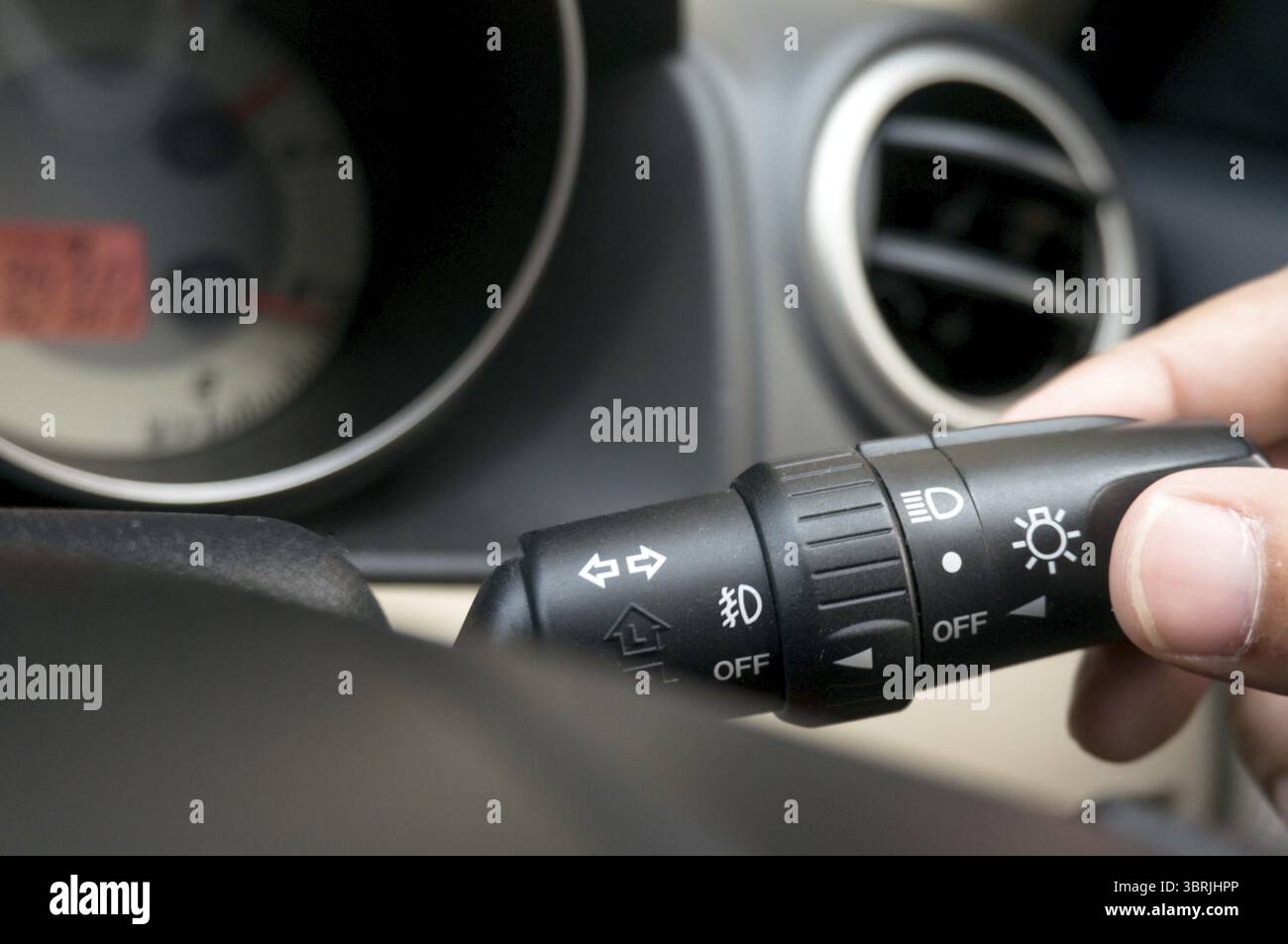
Activate your turn signal smoothly and promptly. Flicking it on just seconds before turning doesn’t give others enough warning.
Make sure to cancel your signal after completing the maneuver. Leaving it on can mislead drivers into thinking you’re still turning or changing lanes.
If your signal lights aren’t working, fix them immediately. Using hand signals is a temporary solution but not as visible or reliable as your car’s lights.
Common Mistakes To Avoid
- Forgetting to signal:This is the most dangerous mistake. It creates uncertainty and increases the risk of collisions.
- Signaling too early or too late:Both confuse other drivers and reduce the effectiveness of your signal.
- Not canceling the signal:It can cause other drivers to misinterpret your actions, especially at intersections.
- Using signals unnecessarily:Signaling when you don’t intend to turn or change lanes can frustrate other drivers and reduce your credibility.
How often do you check your signal lights before driving? Making it a habit can save you from costly mistakes and keep your driving smooth.
Enhancing Safety With Signal Lights
Signal lights are more than just blinking bulbs on your car; they are vital tools that keep you and others safe on the road. Using them correctly helps prevent accidents and misunderstandings. Think about the last time you drove without signaling—did you feel unsure how others might react? Proper signaling can clear up that uncertainty instantly.
Communicating With Other Drivers
Signal lights act as your voice on the road. They tell other drivers exactly what you plan to do next, whether it’s turning, changing lanes, or stopping. Without these signals, your intentions remain a mystery, increasing the risk of collisions.
Imagine you’re merging onto a busy highway. Using your signal gives drivers time to adjust their speed or position. This simple action can reduce stress and avoid sudden braking for everyone involved.
Improving Road Awareness
When you use your signal lights, you help create a more predictable driving environment. Other drivers and pedestrians can anticipate your moves, which makes the entire road safer. Have you ever noticed how much smoother traffic flows when everyone signals properly?
Good signaling also helps you stay alert and focused. Activating your turn signal encourages you to check mirrors and blind spots, reinforcing safe driving habits. This little habit can sharpen your overall awareness behind the wheel.
Legal Requirements For Signaling
Most places have laws that require you to use signal lights before turning or changing lanes. Failing to signal can result in fines and points on your driving record. Are you aware of the specific rules in your area?
Besides avoiding penalties, signaling legally protects you in case of an accident. It shows you followed the rules and acted responsibly. Always use your signals as a simple way to keep yourself out of legal trouble while enhancing safety.

Credit: www.youtube.com
Frequently Asked Questions
How Do I Use Car Signal Lights Properly?
To use car signal lights, activate the turn indicator lever before turning or changing lanes. This alerts other drivers. Always signal 100 feet ahead to ensure safety and clear communication on the road.
Why Are Car Signal Lights Important While Driving?
Car signal lights inform other road users about your intentions. They prevent accidents by improving communication and helping drivers anticipate your moves. Proper use of signals promotes safer and smoother traffic flow.
What Are Common Mistakes When Signaling In A Car?
Common mistakes include signaling too late, not canceling signals, or forgetting to use them. These errors confuse other drivers and increase accident risk. Always signal timely and check your indicators after turns.
When Should I Use My Car’s Hazard Lights?
Use hazard lights during emergencies, breakdowns, or when your vehicle poses a hazard. They warn other drivers to slow down or be cautious. Avoid using them while driving normally to prevent confusion.
Conclusion
Using your car’s signal lights keeps everyone safe on the road. It helps other drivers know your plans clearly. Always use signals before turning or changing lanes. This small step prevents accidents and confusion. Practice makes it easy and natural.
Drive carefully and respect traffic rules. Clear signals show you care about safety. Stay alert and signal every time you need to. Simple habits build better driving skills. Keep your signals working well and use them right. Safe driving starts with clear communication.