
Have you ever looked at a car and wondered if it has alloy wheels? Knowing how to spot alloy wheels can tell you a lot about a car’s style, performance, and value.
But how can you be sure? It’s easier than you think, and once you know what to look for, you’ll never miss the difference. Keep reading, and you’ll learn simple, clear tips that will make identifying alloy wheels quick and fun.
Ready to become a wheel expert? Let’s dive in!

Credit: www.chase.com
Identifying Alloy Wheels Visually
Identifying alloy wheels visually can be simple with a keen eye. Alloy wheels often stand out due to their style and finish. Noticing these details helps distinguish them from regular steel wheels. Here are key points to observe.
Look For Unique Designs
Alloy wheels usually have distinct and stylish patterns. They often feature multiple spokes or intricate shapes. These designs are more artistic than plain steel wheels. Also, the spokes might be thinner and more delicate. This adds a sporty or luxurious look to the car.
Steel wheels tend to be simpler with fewer design options. They often come with basic covers instead of detailed designs. Spotting unusual or elegant patterns is a strong clue of alloy wheels.
Check Wheel Weight And Finish
Alloy wheels feel lighter than steel wheels. This difference is noticeable when you lift or touch the wheel. The lighter weight improves car handling and fuel efficiency.
The finish on alloy wheels is usually smooth and shiny. They often have a metallic or painted surface that resists rust. Steel wheels can look dull and may show signs of rust or wear quickly.
Look closely at the wheel’s surface. A polished or glossy finish usually means alloy. Matte or rough textures often point to steel wheels.
Using Manufacturer Information
Using manufacturer information is one of the most reliable ways to find out if a car has alloy wheels. This data comes straight from the source and offers clear, precise details about your vehicle’s features. You don’t have to guess or rely on visual cues that might be misleading.
Consult The Owner’s Manual
Your car’s owner’s manual is a treasure trove of information. It usually lists all the standard and optional features, including the type of wheels installed. Take a moment to flip through the pages dedicated to wheels or specifications.
Look for terms like “alloy wheels,” “aluminum wheels,” or specific wheel sizes and designs. If the manual mentions steel wheels instead, then your car likely doesn’t have alloys. This is a straightforward way to confirm without any guesswork.
Check Vehicle Specifications Online
Manufacturers often publish detailed vehicle specifications on their official websites. By entering your car’s model and year, you can access a full list of features and options. This includes information about the wheels fitted to your vehicle.
Many websites also provide downloadable spec sheets or brochures. These documents clearly state whether alloy wheels were part of the original package or an upgrade. Have you ever noticed how some online car listings highlight alloy wheels as a selling point? That’s a good sign it’s worth checking the official specs.
Physical Tests To Differentiate Wheels
Physical tests offer practical ways to tell if a car has alloy wheels. These tests help identify the wheel’s material and quality. They require simple tools and a keen eye. Anyone can perform them without special skills. Understanding these checks can save money and avoid mistakes when buying or inspecting wheels.
Magnet Test For Material
A magnet test is quick and easy. Alloy wheels do not attract magnets because they contain aluminum or magnesium. Steel wheels, on the other hand, stick to magnets. Hold a magnet close to the wheel surface. If the magnet sticks, the wheel is likely steel. If it does not, the wheel is probably alloy. This test helps confirm the basic material of the wheel.
Inspect For Corrosion And Durability
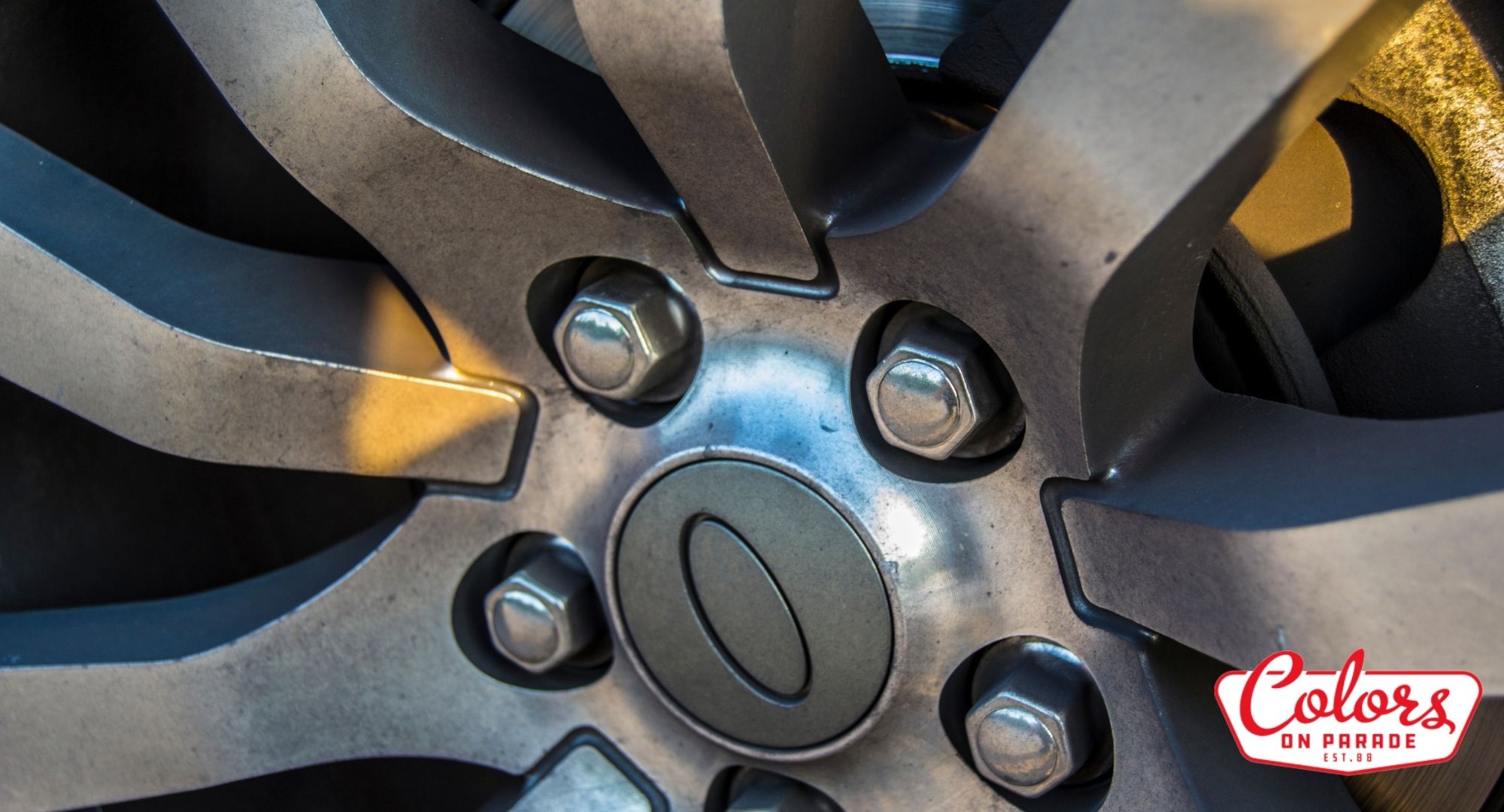
Check the wheel surface for rust spots or corrosion. Steel wheels often show rust over time. Alloy wheels resist rust but may have surface scratches or pitting. Look closely at the wheel edges and spokes. Alloy wheels usually have a smoother finish and less damage. These signs indicate better durability and quality. Inspecting corrosion helps understand how well the wheel holds up to wear.
Credit: colorsonparade.com

Credit: www.thetimes.com
Frequently Asked Questions
What Are Alloy Wheels Made Of?
Alloy wheels are made from a mix of aluminum and other metals. This combination makes them lighter and stronger than steel wheels. They offer better heat conduction and enhance vehicle performance and style.
How Can I Visually Identify Alloy Wheels?
Alloy wheels usually have a shiny, polished finish. They often feature intricate designs and thinner spokes compared to steel wheels. Look for a smooth surface with no visible rust, which is common on steel wheels.
Do Alloy Wheels Improve Car Performance?
Yes, alloy wheels reduce the car’s overall weight. This improves handling, braking, and fuel efficiency. Their better heat dissipation also helps maintain brake performance during heavy use.
Are Alloy Wheels More Expensive Than Steel Wheels?
Generally, alloy wheels cost more due to their materials and manufacturing process. They add value by improving aesthetics and performance, which many car owners find worthwhile.
Conclusion
Alloy wheels have a shiny, lightweight look. They often have unique designs and smooth edges. Steel wheels are heavier and simpler in style. Checking the wheel’s material can help you spot alloys. Knowing these tips makes buying or selling easier.
Remember, alloy wheels can improve a car’s style and performance. Keep these points in mind next time you check a car. It’s simple once you know what to look for.