
Are you worried about losing track of your car or want to keep an eye on its location anytime? Knowing how to track your car GPS can give you peace of mind and control over your vehicle’s safety.
Whether you want to find your car in a crowded parking lot or monitor it for security reasons, this guide will walk you through simple steps to make GPS tracking work for you. Keep reading to discover easy ways you can start tracking your car right now—and never lose sight of what matters most.
Choosing The Right Gps Tracker
Choosing the right GPS tracker is key to keeping your car safe and monitored. The right device fits your needs and gives reliable information. It must be easy to use and offer important features. Consider your budget and how the tracker works with your car. This helps you pick the best option for your situation.
Types Of Gps Trackers
There are several types of GPS trackers to consider:
- Real-time trackers:Show your car’s location live on a map.
- Passive trackers:Store location data to view later.
- OBD trackers:Plug into the car’s OBD port for easy setup.
- Hardwired trackers:Connect directly to the car’s battery for constant power.
Each type offers different advantages. Choose based on how you want to track your car.
Features To Consider
Look for features that improve tracking and usability:
- Real-time updates:Track your car’s location instantly.
- Geo-fencing:Set safe zones and get alerts if the car leaves.
- Battery life:Long battery life means less charging.
- Speed alerts:Notify if the car goes over a set speed.
- Mobile app access:Easy control from your smartphone.
Budget And Compatibility
Price and compatibility affect your choice a lot. Basic trackers cost less but may lack features. Advanced models are pricier but offer better tools.
Check if the tracker works with your car type and smartphone. Some trackers require a SIM card or monthly fees. Factor these into your budget.

Credit: alfred.camera
Setting Up Your Gps Tracker
Setting up your GPS tracker is the first step to easily monitor your vehicle’s location. The process is simple and requires basic tools. A well-installed tracker ensures accurate tracking and reliable alerts.
Follow clear instructions to install the device securely. Connect it to a mobile app for real-time updates. Customize alerts to stay informed about your car’s movements.
Installation Process
Choose a hidden spot in your car to install the GPS tracker. Common places include under the dashboard or inside the glove box. Use screws or adhesive pads to fix the device firmly.
Connect the tracker to your car’s power source. Usually, this involves linking to the battery or fuse box. Avoid areas exposed to water or heat for better device longevity.
Connecting To A Mobile App
Download the GPS tracker’s official app on your smartphone. Create an account and log in using your credentials. Add your device by entering its unique ID or scanning a QR code.
Ensure your phone’s Bluetooth or mobile data is active. The app will sync with the GPS tracker automatically. This connection allows you to view your car’s location live.
Configuring Alerts And Notifications
Set up notifications in the app for important events. Choose alerts for movement, speeding, or leaving a set area. Customize how you receive notifications—via SMS, email, or push alerts.
Adjust sensitivity levels to avoid false alarms. Test alerts to confirm they work correctly. These settings help you stay updated without constant app checking.
Monitoring Your Vehicle In Real Time
Monitoring your vehicle in real time gives you control and peace of mind. Whether you want to check on your car’s location during a family trip or ensure its safety while parked, real-time tracking is a game changer. It lets you see exactly where your vehicle is at any moment, helping you act quickly if needed.
Using Tracking Apps
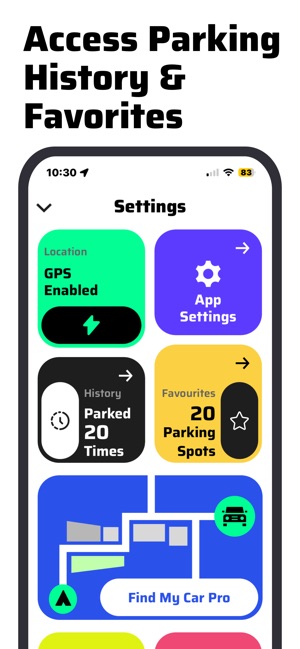
Tracking apps connect to your car’s GPS device and display its location on your phone or computer. Many apps offer live maps, speed updates, and route history. You can set alerts for specific events like leaving a certain area or exceeding a speed limit.
Some apps even let you share your car’s location with trusted friends or family members. Choosing an app with a user-friendly interface makes monitoring easier and less time-consuming. Have you found an app that fits your lifestyle and tech comfort?
Interpreting Location Data
Raw GPS coordinates can be confusing without context. Most apps translate these into readable addresses or landmarks near your car. Look for apps that provide clear timestamps and movement history to understand your vehicle’s patterns.
Pay attention to sudden stops or unusual routes, which might signal a problem. You can also compare the live data with planned routes to spot discrepancies early. How often do you check your car’s location data to stay informed?
Ensuring Privacy And Security
Tracking your car means sensitive data is being shared and stored. Choose apps that use encryption to protect your location information from hackers. Make sure the app’s privacy policy is clear about who can access your data.
Also, avoid sharing your login details and use strong, unique passwords. Regularly update your app and device software to patch security vulnerabilities. Have you reviewed your tracking setup’s security lately to keep your vehicle’s data safe?
Credit: apps.apple.com
Frequently Asked Questions
How Can I Track My Car Gps Location Easily?
You can track your car GPS by using dedicated GPS tracking apps or devices. These apps provide real-time location updates and route history. Ensure the GPS tracker is properly installed and synced with your smartphone or computer for accurate monitoring.
What Devices Are Best For Car Gps Tracking?
The best devices for car GPS tracking include OBD-II trackers, hardwired GPS trackers, and portable GPS units. Choose one based on your needs, such as real-time tracking, battery life, or installation ease. Reliable brands offer user-friendly apps and accurate location data.
Is It Legal To Track My Own Car Gps?
Yes, it is legal to track your own car’s GPS if you own the vehicle. Tracking others’ vehicles without consent may violate privacy laws. Always check local regulations before installing or using GPS tracking devices.
How Accurate Is Car Gps Tracking Technology?
Car GPS tracking is highly accurate, typically within 5 to 10 meters. Accuracy depends on GPS signal strength and device quality. Modern trackers combine GPS with cellular data for improved precision and real-time updates.
Conclusion
Tracking your car GPS helps keep your vehicle safe and secure. You can check your car’s location anytime, anywhere. Many apps and devices offer easy ways to track your car. Always choose a reliable GPS system for best results. Stay aware of your car’s movements without stress or confusion.
Tracking your car GPS saves time and gives peace of mind. Simple steps make it easy to start tracking today. Don’t wait—protect your car with GPS tracking now.