
If you want to keep your brakes clean and working smoothly, but dread the hassle of removing your tire, this guide is for you. You’ll learn simple steps to use brake cleaner spray safely and effectively without taking off your tire.
Imagine saving time and effort while still getting your brakes spotless. Keep reading to discover easy tips that will make your brake cleaning quick, safe, and hassle-free. Your car—and your schedule—will thank you.

Credit: www.youtube.com
Preparing The Vehicle
Preparing the vehicle correctly ensures safe and effective use of brake cleaner spray without removing the tire. Taking time for proper setup helps avoid damage and keeps the process smooth. Clear workspace and necessary tools nearby make the task easier. Safety measures protect both the vehicle and the person cleaning it.
Gathering Necessary Tools
Collect all items before starting. Have brake cleaner spray ready for easy access. Use a wire brush or cloth to remove loose dirt and grime. Keep gloves and safety glasses nearby for protection. A flashlight helps inspect brake parts clearly. Keep a container or rags handy to catch drips and dirt.
Ensuring Safety Precautions
Work in a well-ventilated area to avoid inhaling fumes. Wear gloves to protect your skin from chemicals. Safety glasses shield your eyes from spray mist. Avoid open flames or sparks near the brake cleaner. Place wheel chocks behind other tires to prevent rolling. Make sure the vehicle is parked on a flat surface and the parking brake is engaged.

Credit: automaniacs.us
Accessing The Brake Components
Accessing the brake components without removing the tire may seem tricky at first, but it’s definitely possible with the right approach. Knowing exactly where to look and how to reach the parts safely can save you time and effort. Let’s break down how you can effectively access and clean your brakes using a brake cleaner spray without the hassle of tire removal.
Locating Brake Parts Through The Wheel
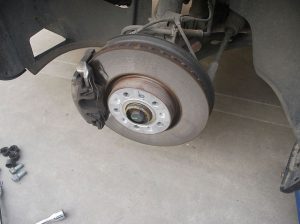
Your brake components—such as the rotor, caliper, and pads—are partially visible through the gaps in your wheel spokes. Take a good look at your wheel and identify these openings. This view allows you to target the brake parts directly with the cleaner spray.
Sometimes, larger wheels with more open designs make this easier. If your wheel is solid or very tight, you might need to rotate it slightly to get a better angle. Have you noticed how some wheels reveal more brake details than others? That’s your access point.
Cleaning Around The Wheel Area
Before spraying the cleaner, remove loose dirt and dust from the wheel area. Use a brush or compressed air to clear grime from the spokes and around the brake components. This step ensures the brake cleaner works effectively and prevents dirt from spreading.
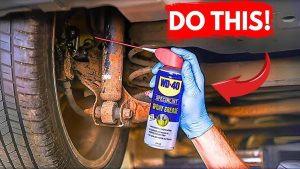
Hold the spray nozzle close to the visible brake parts and apply the cleaner in short bursts. Avoid soaking the wheel or tire to protect rubber and paint. After spraying, give the cleaner a moment to dissolve grease and dust, then wipe or rinse as needed.
Applying Brake Cleaner Spray
Applying brake cleaner spray correctly can make a big difference in how effectively you clean your brake components without the hassle of removing the tire. It’s a task that requires careful attention to detail and a steady hand. Let’s look at how you can get the best results while protecting other parts around your brakes.
Proper Spray Techniques
Hold the brake cleaner spray can about 6 to 8 inches away from the surface you want to clean. This distance ensures the cleaner covers the area evenly without oversaturating it. Spray in short bursts rather than a continuous stream to control the amount of cleaner and avoid waste.
Spray directly on the brake rotor and caliper, focusing on areas with grease or brake dust buildup. Move the can slowly across the surface to allow the cleaner to break down grime effectively. Remember, patience pays off here—rushing can leave spots uncleaned.
Avoiding Contact With Tire And Other Parts
Brake cleaner can damage rubber and painted surfaces, so it’s crucial to avoid spraying your tire or nearby components. Shield the tire with a rag or piece of cardboard if needed to protect it during cleaning. You might also cover brake lines and sensors with plastic wrap to prevent any accidental contact.
Have you ever noticed how a single drop of brake cleaner on a tire can cause it to dry out and crack over time? Taking simple protective measures can save you from costly repairs down the road. It’s always better to spend a minute shielding parts than dealing with the consequences later.
Final Checks And Maintenance
After using brake cleaner spray without removing the tire, taking time for final checks and maintenance is crucial. These steps help ensure your brakes perform safely and efficiently. Skipping this part can lead to overlooked residues or moisture that might affect braking power.
Inspecting Brake Cleanliness
Look closely at the brake components after spraying. Use a flashlight to check for any leftover dirt, grease, or cleaner residue on the rotor and caliper. Your brakes should appear clean and dry, with no visible grime that could interfere with performance.
If you spot stubborn spots, gently wipe them with a clean cloth. Avoid touching brake pads directly with your fingers to prevent oil transfer. Have you ever noticed your brakes feeling off right after cleaning? This step often explains why.
Allowing Drying Time Before Driving
Give the brake cleaner enough time to evaporate completely before hitting the road. This usually takes a few minutes but can vary depending on the spray used and weather conditions. Wet cleaner residue can reduce friction, making braking less effective and unsafe.
Stand back and let the cleaner air dry naturally. Resist the urge to speed up drying by wiping aggressively or using heat sources, as this might leave deposits or damage parts. How long do you wait before driving after cleaning your brakes? Taking a moment here is worth it for your safety.

Credit: www.amazon.ca
Frequently Asked Questions
Can I Clean Brakes Without Removing The Tire?
Yes, you can clean brakes without removing the tire by spraying brake cleaner directly through the wheel spokes. Ensure the vehicle is safely lifted and secure before cleaning. This method saves time and effort while effectively removing dirt and brake dust.
Is Brake Cleaner Safe To Use Without Tire Removal?
Brake cleaner is safe to use without removing the tire if applied carefully. Avoid overspray on painted surfaces and follow manufacturer instructions. Proper ventilation and protective gloves are recommended to prevent inhalation and skin contact.
How Do I Spray Brake Cleaner Through Wheel Spokes?
To spray brake cleaner through wheel spokes, position the nozzle near the brake rotor and pads. Spray evenly to dissolve grease and grime. Rotate the wheel if possible for thorough cleaning without tire removal.
Will Brake Cleaner Damage My Tires If Sprayed?
Brake cleaner typically does not damage tires if used cautiously. Avoid direct, prolonged contact with rubber sidewalls to prevent drying out. Always read product labels for specific safety information regarding tire exposure.
Conclusion
Using brake cleaner spray without removing the tire is simple and safe. Just follow the right steps and protect nearby parts. Clean the brake parts carefully to avoid damage or injury. This method saves time and effort for many car owners.
Always wear gloves and work in a well-ventilated area. Keep your brakes clean for better car performance and safety. Small actions like this help maintain your vehicle well. Try this easy tip next time you clean your brakes.