
Want your car to look fresh and shiny like it just rolled off the showroom floor? Using car wax is one of the easiest and most effective ways to protect your vehicle’s paint and keep it looking great.
But if you’re not sure how to apply it properly, you might miss out on the full benefits. In this guide, you’ll learn simple steps to use car wax the right way, so your car stays protected from dirt, scratches, and harsh weather.
Keep reading, and you’ll discover tips that make waxing quick, easy, and rewarding. Your car deserves that extra shine—and you’ll love how good it looks.

Credit: www.youtube.com
Choosing The Right Car Wax
Choosing the right car wax can make a big difference in how your vehicle looks and how well it’s protected. With so many options on the market, it’s easy to feel overwhelmed. Understanding the types, ingredients, and compatibility with your car’s paint will help you make a smart choice that keeps your car shining longer.
Types Of Car Wax
Car wax comes in different forms, each with unique benefits. Paste wax offers a thick, durable layer of protection but takes more effort to apply and buff. Liquid waxes are easier to use and dry faster, making them great for regular maintenance.
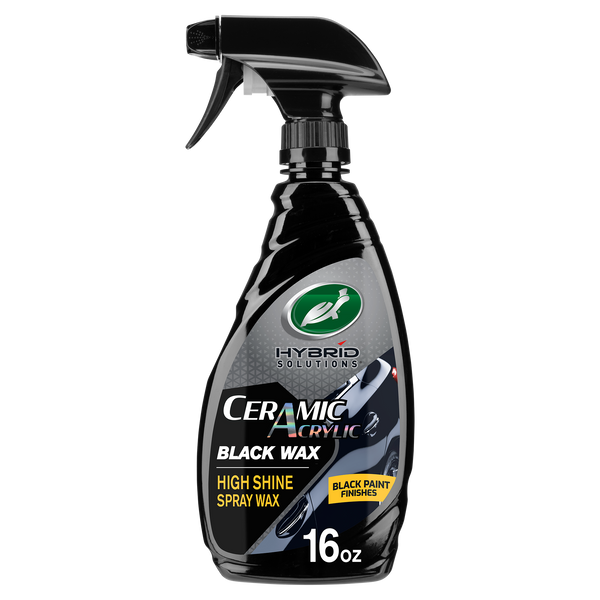
Spray wax provides quick shine and is perfect for touch-ups between full waxes. Synthetic waxes, often called sealants, last longer than natural waxes but might lack the deep shine that carnauba wax offers. Which type fits your routine and patience level?
Wax Ingredients And Benefits
Carnauba wax, derived from the leaves of a Brazilian palm, creates a rich, glossy finish that many car enthusiasts love. It offers excellent water repellency and a warm glow but usually doesn’t last as long.
Synthetic waxes, made from polymers and silicones, provide longer-lasting protection and resist harsh weather better. Some blends combine carnauba with synthetic ingredients to balance shine and durability. Checking the label for these ingredients can guide your choice based on what your car needs most.
Best Wax For Different Paints
Not all waxes are created equal when it comes to paint types. For dark-colored cars, carnauba wax enhances depth and richness, making scratches less noticeable. Lighter-colored cars benefit from synthetic waxes that provide a clear, reflective finish without adding color.
If your car has a matte finish, avoid traditional waxes altogether and opt for products designed specifically for matte paint to prevent unwanted shine. Do you know what type of paint your car has? Choosing wax designed for your paint protects the investment you’ve made in your vehicle’s appearance.
Preparing Your Car For Waxing
Preparing your car for waxing is essential for a smooth and lasting finish. Cleaning and inspecting the surface helps the wax stick better. It also prevents trapping dirt or scratches under the wax. Taking time to prepare ensures your car looks shiny and stays protected longer.
Washing And Drying
Start with a thorough wash using car shampoo. Use a soft sponge or mitt to avoid scratches. Rinse off all dirt and grime carefully. Dry the car completely with a microfiber towel. Avoid air drying to prevent water spots on the paint.
Removing Old Wax And Contaminants
Use a clay bar or a gentle polish to remove old wax layers. This step clears away road tar, tree sap, and other stubborn residues. Removing old wax helps the new wax bond properly. It also reveals the true condition of your paint.
Surface Inspection And Repairs
Check the paint for scratches, chips, or dents. Fix minor issues with touch-up paint or scratch remover. Small repairs improve the final look after waxing. Ignoring damage may cause the wax to highlight flaws instead of hiding them.
Applying Car Wax Properly
Applying car wax properly protects your vehicle and keeps it shining longer. It creates a smooth barrier against dirt, water, and UV rays. Proper application ensures the wax bonds well to the paint, providing maximum protection. Follow clear steps and use the right tools for the best results.
Tools And Materials Needed
- Clean microfiber cloths
- Car wax (paste or liquid)
- Foam or applicator pad
- Bucket of water and car wash soap
- Dry towel or chamois
- Optional: clay bar for surface prep
Step-by-step Wax Application
Wash your car thoroughly to remove dirt and grime. Dry the surface completely with a towel.
Use a clay bar if the paint feels rough to remove embedded contaminants. This step improves wax adhesion.
Apply a small amount of wax to the foam applicator. Work on one section at a time, about 2×2 feet.
Spread the wax in thin, even layers using circular or back-and-forth motions. Cover the whole section.
Let the wax dry until it forms a haze, usually a few minutes. Check the product label for exact timing.
Buff the hazed wax off gently with a clean microfiber cloth. Use light pressure to avoid scratching.
Repeat the process section by section until the entire car is waxed.
Tips For Even Coverage
- Apply wax in the shade, avoiding direct sunlight.
- Use small amounts of wax; too much can cause streaks.
- Keep the applicator pad clean to prevent dirt transfer.
- Work methodically to cover all areas without missing spots.
- Buff in gentle, circular motions for a smooth finish.

Credit: amstreetcars.com
Maintaining Your Waxed Finish
Maintaining the glossy shine of your waxed car finish takes some attention beyond just the initial application. Keeping that protective layer intact ensures your car looks fresh and stays safe from damage. The key lies in simple, consistent care that fits into your regular routine.
Regular Cleaning
Keeping dirt and grime off your car is the first step in preserving the wax. Use a gentle car wash soap instead of household detergents that can strip the wax away.
Rinse your car thoroughly before washing to remove loose particles that might scratch the surface. After washing, dry your car with a soft microfiber towel to avoid water spots.
Touch-up Waxing
Wax doesn’t last forever—after a few weeks or a month, the protective layer starts to wear down. Applying a light coat of wax every few weeks helps maintain that smooth, shiny finish.
If you notice areas where the wax seems thin or dull, focus your touch-up there. This targeted approach saves time and product while keeping your car looking its best.
Protecting Against Elements
Sun, rain, and road salt can all chip away at your wax’s protection. Parking in shaded areas or using a car cover adds an extra layer of defense against harsh weather.
Think about your environment—if you live in a coastal area, salt buildup can be a bigger threat, so more frequent waxing might be necessary. How often do you check your car’s finish after a storm or long drive?
Credit: www.turtlewax.com
Frequently Asked Questions
How Often Should I Apply Car Wax?
Apply car wax every three to four months. This maintains shine and protects the paint from damage and environmental elements.
Can I Wax My Car In Direct Sunlight?
Avoid waxing in direct sunlight. Heat causes wax to dry too quickly, leading to streaks and uneven application.
What Tools Do I Need To Apply Car Wax?
Use a clean microfiber cloth or foam applicator pad. These tools ensure smooth, even wax application without scratching the paint.
Should I Wash My Car Before Waxing?
Yes, always wash your car thoroughly before waxing. Removing dirt and grime helps the wax bond properly with the paint surface.
Conclusion
Using car wax protects your vehicle and keeps it shiny. Apply wax with clean hands and soft cloth for best results. Regular waxing helps prevent dirt and damage. Let the wax dry before wiping it off gently. This simple step improves your car’s look and lifespan.
Take time to wax your car properly. Your vehicle will thank you with a bright, smooth finish. Keep your car looking fresh and cared for easily.