
When the power goes out, having a portable generator can be a lifesaver. But do you know how to connect it safely to your house?
Wiring a portable generator to your home might seem tricky, but with the right steps, you can do it yourself and keep your lights on without worry. In this guide, you’ll learn exactly how to set up your generator so it works smoothly and safely.
Keep reading—you’ll soon have the confidence to power your home when it matters most.
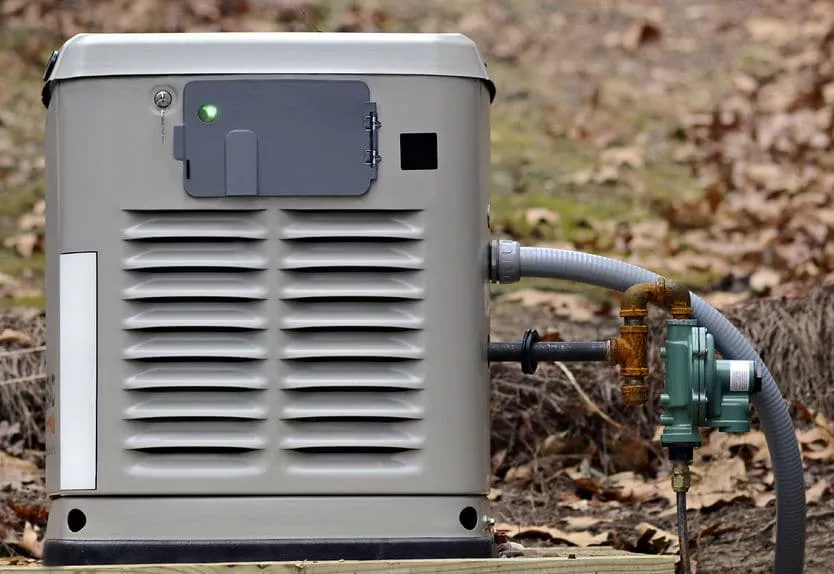
Credit: www.premium-electric.ca
Preparing Your Generator Setup
Preparing your generator setup is a crucial step before connecting a portable generator to your house. This phase ensures you have the right equipment, understand the tools needed, and follow essential safety measures. Taking time here can save you from costly mistakes and keep your home and family safe during power outages.
Choosing The Right Generator
Not all generators are made equal. You need one that matches the power requirements of your home’s essential circuits.
Check the wattage of appliances you want to run. For example, a refrigerator and a few lights might need around 3000 watts, while a full home backup could require 7000 watts or more.
Also, decide between a gasoline or propane generator based on availability and storage in your area. Don’t overlook the generator’s runtime—how long it can operate on a full tank. This affects how often you’ll need to refuel.
Gathering Necessary Tools And Materials
Having everything ready before you start wiring saves frustration. Here’s a checklist of what you typically need:
- Generator transfer switch or interlock kit
- Heavy-duty extension cords rated for outdoor use
- Appropriate gauge wire matching your generator’s output
- Voltage tester or multimeter
- Basic hand tools: screwdrivers, wire strippers, pliers
- Safety gear: gloves and safety glasses
Missing even one item can halt your project. Double-check your list and gather everything before proceeding.
Safety Precautions To Follow
Working with electricity can be dangerous if you’re not careful. Always turn off the main breaker before connecting your generator to avoid backfeed, which can harm utility workers and damage equipment.
Use a transfer switch or interlock kit to isolate your generator’s power from the grid. Never plug a generator directly into a wall outlet—it’s a common but deadly mistake.
Keep your generator outdoors and far from windows or vents to prevent carbon monoxide poisoning. Have a carbon monoxide detector installed inside your home as an extra precaution.
Credit: www.diychatroom.com
Connecting The Generator To Your Home
Connecting your portable generator to your home is a crucial step to ensure safe and efficient power transfer during outages. It involves linking the generator to your house’s electrical system without risking backfeed, which can endanger utility workers and damage equipment. Proper connection means you can power essential appliances and keep your home running smoothly.
Locating The Transfer Switch
The transfer switch acts as the bridge between your generator and your home’s electrical panel. Typically, it’s installed near your main breaker panel for easy access.
You’ll want to find a transfer switch that matches your home’s electrical load requirements. Many homes use either a manual or automatic transfer switch, but for portable generators, manual switches are most common. Have you checked if your home already has one installed, or will you need to add one?
Wiring The Generator To The Transfer Switch
Before starting any wiring, make sure the main power is off to avoid shocks or damage. You’ll connect the generator’s power cord to the inlet box, which then feeds into the transfer switch.
Use the correct gauge wire specified by the generator and transfer switch manufacturer. Secure all connections tightly to prevent loose contacts, which can cause sparks or overheating. Remember, neat wiring not only looks better but also reduces risk and makes future maintenance easier.
Testing The Connection
Once wired, it’s essential to test the setup before relying on it during an outage. Turn off the main breaker, start your generator, then flip the transfer switch to the generator position.
Check if your selected circuits are receiving power without any issues. If you notice flickering lights or tripped breakers, double-check all connections and circuit ratings. Have you prepared a checklist for what to test first to ensure your critical devices stay powered?
Operating And Maintaining Your Setup
Operating and maintaining your portable generator setup is key to ensuring reliable power whenever you need it. Proper handling not only keeps your generator running smoothly but also protects your home and safety. Let’s look at how to run your generator safely, keep an eye on power usage, and perform routine maintenance to extend its life.
Starting And Running The Generator Safely
Always start your generator outdoors in a well-ventilated area to avoid carbon monoxide buildup. Make sure all connections to your house are secure and that the transfer switch is properly installed before turning on the generator.
Never overload your generator. Check its wattage rating and add up the appliances you plan to power. If the total exceeds the generator’s capacity, you risk damaging your generator and connected devices.
Keep a fire extinguisher nearby and never refuel the generator while it’s running or hot. Spilled fuel or vapor can ignite quickly, causing dangerous fires.
Monitoring Power Usage
Use a watt meter or monitor built into your transfer switch to track how much power you’re drawing from the generator. This helps prevent overloads and allows you to prioritize essential appliances.
Consider creating a simple checklist of devices to turn on and off in order, balancing the load effectively. Which appliances can wait, and which must stay powered? This planning can make your power supply last longer and protect your setup.
Be mindful of surge currents when devices like refrigerators or air conditioners start up. These can temporarily draw more power than normal, so plan your load accordingly.
Routine Maintenance Tips
Regular maintenance keeps your generator ready for action. Change the oil after the first 20 hours of use, then every 50 to 100 hours depending on the manufacturer’s recommendation.
Clean or replace the air filter monthly during heavy use. A clogged filter reduces performance and can cause engine damage.
Check spark plugs every season and replace them if they look worn or dirty. Also, inspect fuel lines and connections for leaks or cracks to avoid fuel hazards.
Store your generator with a full tank of fuel and add a fuel stabilizer if it won’t be used for a while. This prevents fuel breakdown and keeps the engine parts lubricated.
Credit: www.diychatroom.com
Frequently Asked Questions
How Do I Safely Connect A Generator To My House?
Turn off the main breaker before connecting the generator. Use a transfer switch to avoid backfeeding. Follow manufacturer instructions for wiring. Ensure all connections are secure and grounded properly.
What Tools Are Needed To Wire A Portable Generator?
You will need a transfer switch, power inlet box, appropriate gauge wire, screwdrivers, wire strippers, voltage tester, and a drill. Always use tools rated for electrical work and follow safety protocols.
Can I Wire A Generator Without A Transfer Switch?
Wiring without a transfer switch is dangerous and illegal in many areas. It risks backfeeding, which can harm utility workers and damage equipment. Always use a transfer switch for safe and compliant generator wiring.
How Do I Choose The Right Generator Size For My House?
Calculate your total wattage needs by listing essential appliances. Select a generator that meets or exceeds this wattage. Consider starting watts and continuous running watts for accurate sizing.
Conclusion
Wiring a portable generator to your house needs care and safety. Follow the steps clearly and use the right tools. Always turn off the main power before you start. Double-check all connections to avoid problems. This helps keep your home safe during power outages.
Taking time to do it right saves trouble later. Stay cautious and ask an expert if unsure. Power outages won’t catch you unprepared again. Simple steps can make a big difference.