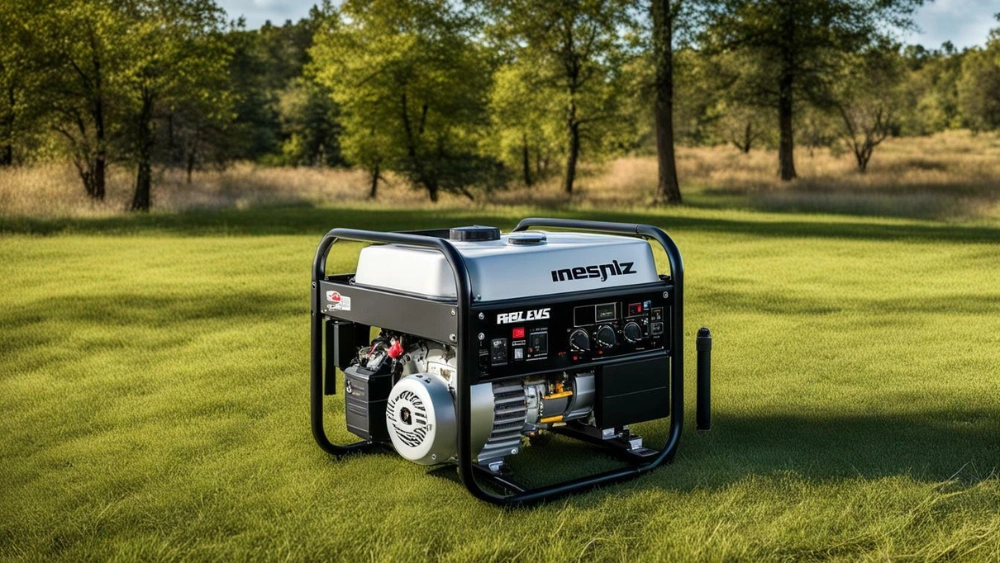
Have you ever faced a sudden power outage and felt completely unprepared? Knowing how to work a portable generator can be your lifesaver in those moments.
It’s not just about turning it on; it’s about using it safely and efficiently to keep your home or tools running smoothly. In this guide, you’ll discover simple, clear steps to get your generator up and running without stress or confusion.
Keep reading, and you’ll gain the confidence to power through any blackout with ease.
Choosing The Right Generator
Choosing the right portable generator ensures safety and efficiency during power outages. It helps power your essential devices without wasting fuel or money. Understanding different generator types, power capacities, and fuel options guides you to the best choice.
Types Of Portable Generators
Portable generators come in several types. Inverter generators produce clean power, perfect for sensitive electronics. Conventional generators offer more power but may be louder. Dual-fuel generators can run on more than one fuel type, adding flexibility. Choose based on your noise tolerance and device needs.
Power Capacity Needs
Calculate the total wattage of devices you want to run. Start with essential items like lights, refrigerators, or chargers. Add the starting wattage because some devices need extra power at startup. Pick a generator with a little more capacity than your total wattage. This prevents overload and extends generator life.
Fuel Options
Generators run on gasoline, propane, diesel, or dual fuel. Gasoline is easy to find but can spoil quickly. Propane burns cleaner and stores longer but needs a tank. Diesel is efficient and lasts long but can be noisy. Dual-fuel models offer more choices during emergencies. Choose fuel based on availability and storage convenience.

Credit: www.youtube.com
Safe Setup And Operation
Using a portable generator safely starts with the right setup. Poor setup can cause accidents or damage. Follow clear steps to keep yourself and others safe. This section covers key points for safe setup and operation.
Proper Placement
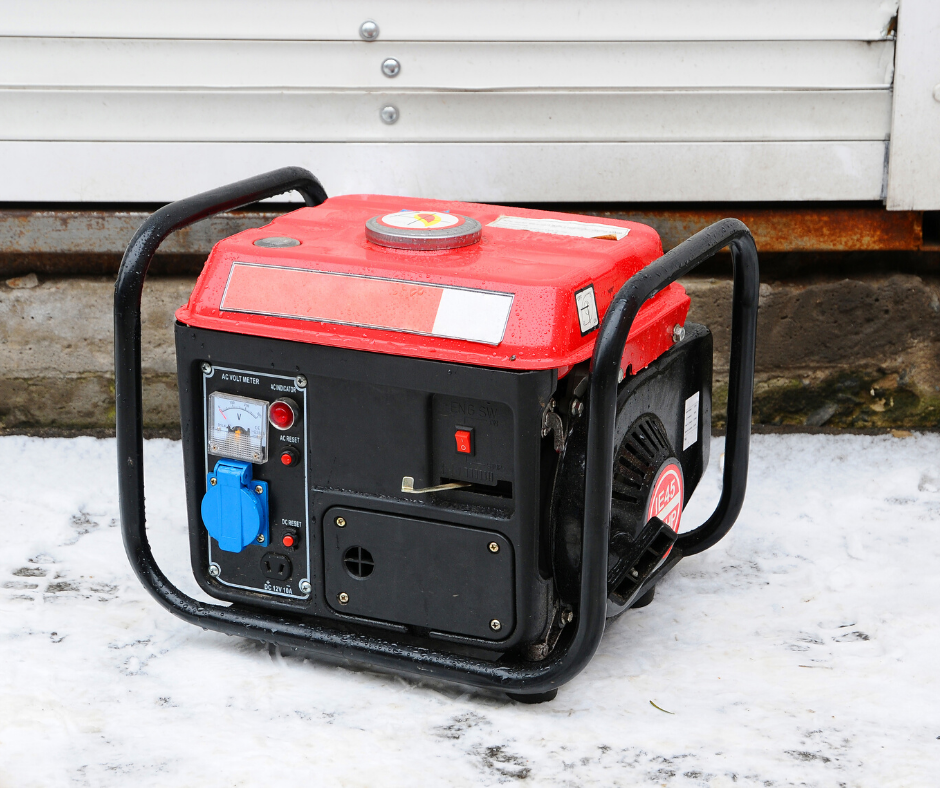
Place the generator outdoors in a dry, well-ventilated area. Keep it at least 20 feet away from doors and windows. Avoid using it inside garages or enclosed spaces. Position the generator on a flat, stable surface. Clear away any debris or flammable materials nearby. This prevents carbon monoxide buildup and fire risks.
Connecting Appliances
Turn off all appliances before connecting them to the generator. Use heavy-duty, outdoor-rated extension cords. Check the cords for damage or frays before use. Plug appliances directly into the generator’s outlets. Avoid overloading the generator’s power capacity. Use a transfer switch for home wiring to prevent backfeed. This protects utility workers and your equipment.
Starting And Stopping Procedures
Check fuel levels and oil before starting the generator. Turn the choke to the start position. Pull the starter cord or use the electric start. Let the engine run for a few minutes before connecting appliances. To stop, turn off all appliances first. Then switch off the generator and close the fuel valve. Allow the generator to cool before moving or storing it.
Maintenance And Troubleshooting
Proper maintenance keeps your portable generator running smoothly. It helps avoid breakdowns and extends the engine’s life. Troubleshooting skills save time and money by fixing small problems early.
Regular checks prevent unexpected failures. Knowing how to solve common issues makes operation safer and easier. Storing the generator correctly protects it from damage during long periods of inactivity.
Regular Maintenance Tasks
- Check and change the oil after every 20-50 hours of use.
- Clean or replace the air filter monthly or as needed.
- Inspect the spark plug and replace it yearly or if damaged.
- Keep fuel fresh and use a stabilizer for longer storage.
- Check fuel lines for cracks or leaks regularly.
- Tighten nuts and bolts to avoid vibrations and loose parts.
- Run the generator monthly for about 30 minutes to keep parts lubricated.
Common Issues And Fixes
| Issue | Cause | Fix |
|---|---|---|
| Generator won’t start | Empty fuel tank or stale fuel | Refill tank or replace old fuel |
| Engine stalls or runs rough | Dirty air filter | Clean or replace air filter |
| Low power output | Overloaded generator | Reduce connected devices |
| Excessive smoke | Old oil or engine problem | Change oil and check engine |
Storage Tips
- Drain fuel or add stabilizer before storing for over 30 days.
- Run the generator until it stops to clear fuel lines.
- Store in a dry, cool place away from direct sunlight.
- Cover the generator to protect it from dust and moisture.
- Disconnect the battery if your model has one to prevent discharge.

Credit: www.premium-electric.ca
Credit: electec.info
Frequently Asked Questions
How Do You Safely Start A Portable Generator?
To start a portable generator safely, place it outdoors on a flat surface. Ensure all appliances are off. Turn on the fuel valve, set the choke, then pull the starter cord or switch on the electric start. Avoid indoor use to prevent carbon monoxide poisoning.
What Fuel Is Best For Portable Generators?
Gasoline is the most common fuel for portable generators. Some models use propane or diesel. Always use fresh, clean fuel recommended by the manufacturer. Store fuel safely and avoid using old or contaminated fuel to ensure efficient operation and longevity.
How Often Should You Maintain A Portable Generator?
Maintain your portable generator every 50-100 hours of use or at least once a year. Regularly change the oil, clean or replace the air filter, and check spark plugs. Proper maintenance ensures reliable performance and extends the generator’s lifespan.
Can A Portable Generator Power An Entire House?
A portable generator can power essential appliances but usually not an entire house. It depends on the generator’s wattage and your power needs. Use a transfer switch for safety and avoid overloading the generator to prevent damage and hazards.
Conclusion
Working a portable generator safely and correctly is important. Always read the manual before use. Place the generator outside to avoid fumes inside. Connect appliances carefully, and do not overload the generator. Regular checks keep the generator running well. With these steps, power is ready when you need it.
Stay safe and enjoy the convenience of your portable generator. Simple habits make a big difference in its performance. Keep these tips in mind for easy, reliable power anywhere.