
Are you wondering if owning your car can actually save you money on insurance? It’s a question many drivers ask but few fully understand.
The answer might surprise you—and it could make a big difference in your budget. Imagine cutting your insurance costs without changing your coverage or risking your protection. Keep reading to discover how owning your car impacts your insurance rates and what you can do to pay less while staying covered.
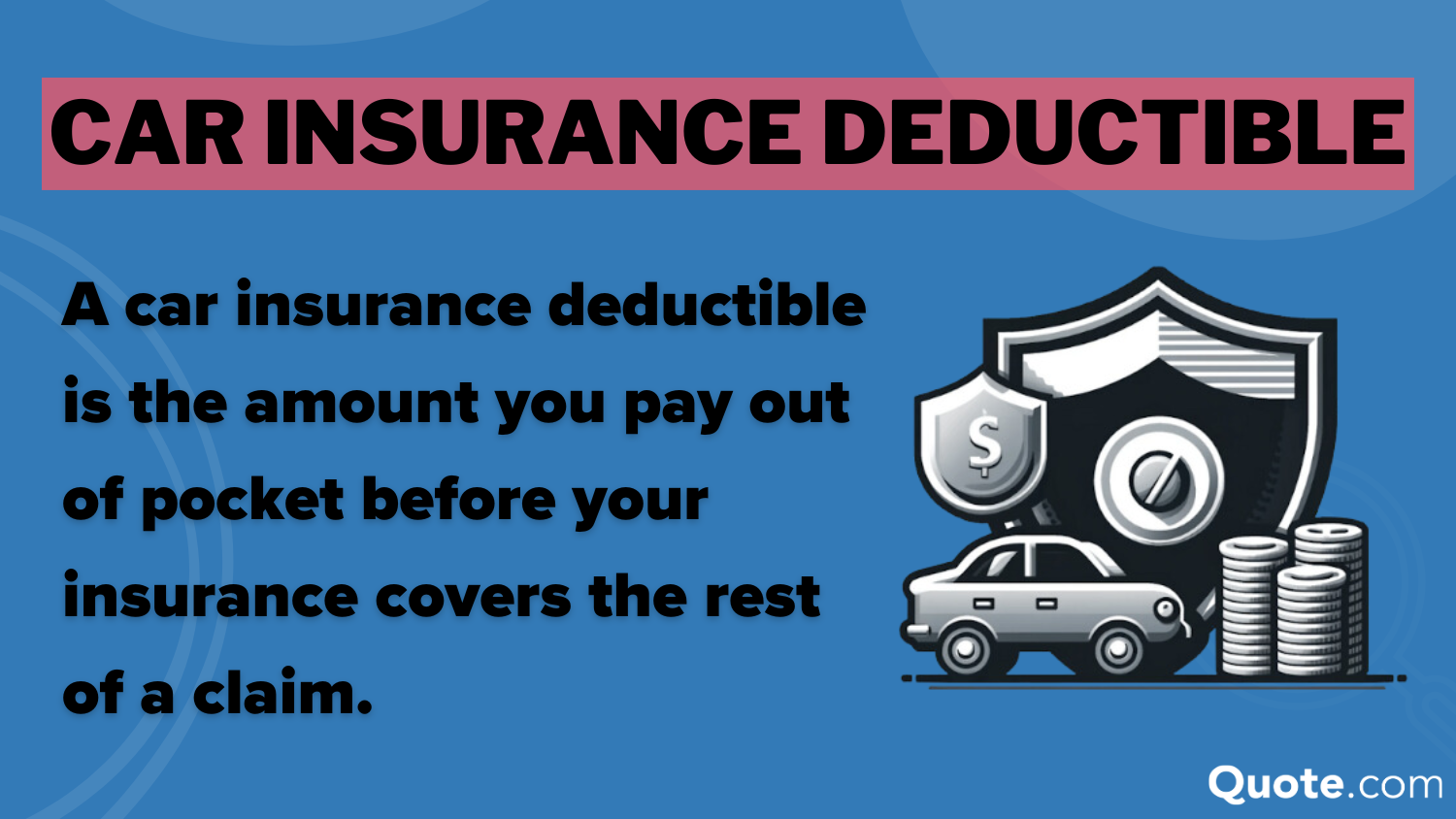
Credit: www.quote.com
Ownership And Insurance Costs
Understanding how car ownership affects insurance costs helps in managing your budget. Insurance premiums vary depending on whether you own or lease your vehicle. Knowing these differences can guide you in choosing the best option for your financial needs.
Leased Vs Owned Car Rates
Leased cars often have higher insurance rates than owned cars. Leasing companies require full coverage insurance to protect their investment. This includes comprehensive and collision coverage, which raises the premium.
Owned cars allow more flexibility in choosing coverage types. Owners may opt for liability-only insurance if the car is older. This choice usually lowers the insurance cost.
Impact Of Ownership On Premiums
Owning a car outright can reduce insurance premiums. The insurer sees less risk with fully owned vehicles. No lender means fewer conditions on the insurance policy.
Some insurers offer discounts for owned vehicles. This is because the owner is more likely to maintain the car well. Regular maintenance lowers the chance of claims, which benefits both parties.
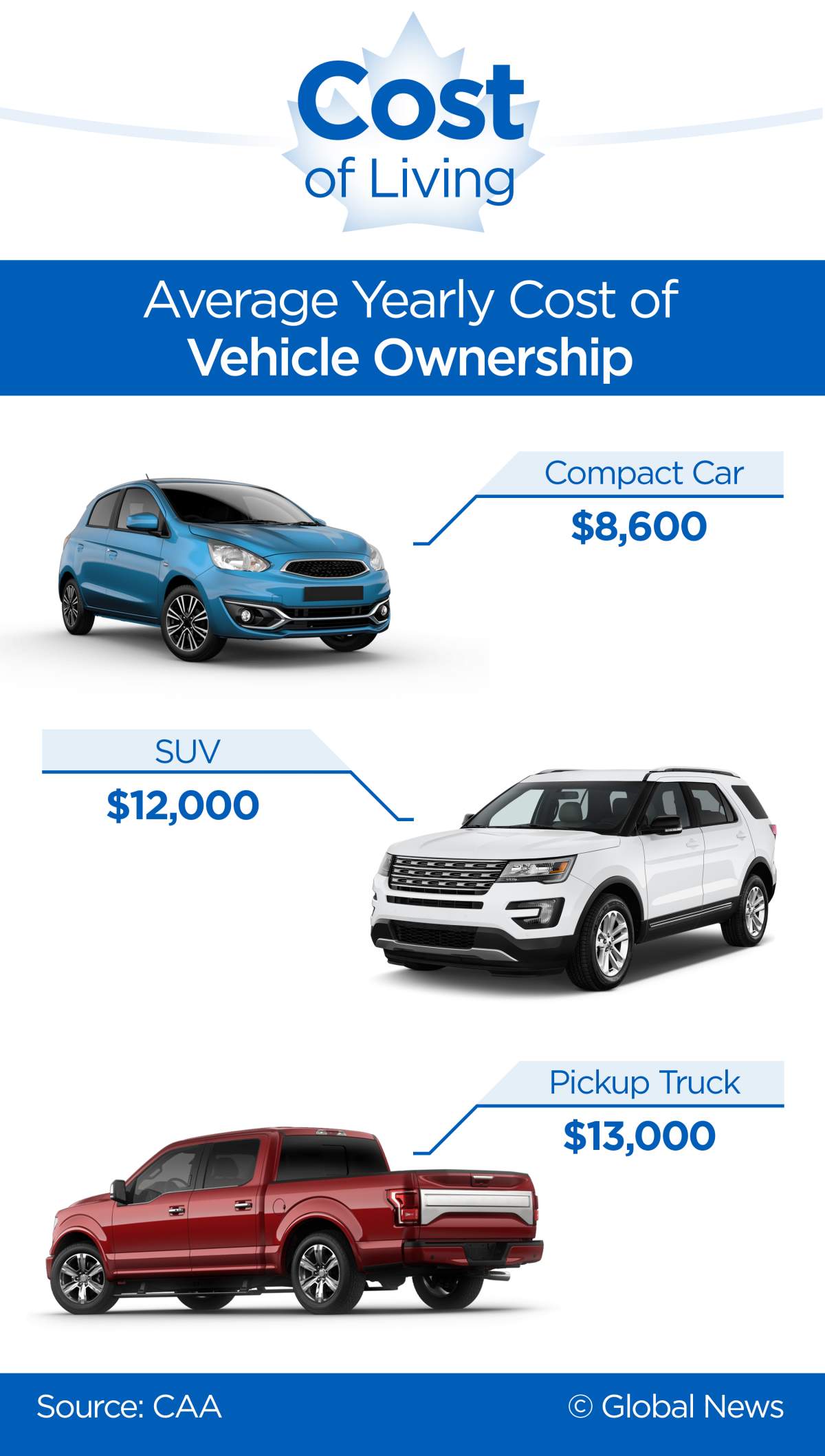
Credit: globalnews.ca
Factors Influencing Insurance Savings
Many factors affect how much you pay for car insurance. Owning your car outright might change your rates. Insurance companies look at different details before setting prices. Understanding these details helps you see why costs vary.
Vehicle Age And Condition
Older cars often cost less to insure. They usually have lower market value. Insurers pay less if they need to fix or replace it. But very old cars may lack safety features. This can increase insurance costs.
Well-maintained cars get better insurance rates. Regular maintenance lowers the chance of breakdowns. Cars in good condition reduce risk for the insurer.
Credit Score And Driving History
Your credit score can influence insurance prices. A higher score shows financial responsibility. Insurers see this as less risk. A low score may raise your insurance cost.
Driving history is very important for rates. Clean records with no accidents mean lower premiums. Multiple accidents or tickets increase your insurance price. Safe driving habits save money on insurance.
Tips To Lower Car Insurance
Lowering car insurance can save money each month. Small changes in your policy or habits can reduce costs. Understanding your needs and options helps find the best price. Here are practical tips to make insurance more affordable.
Choosing The Right Coverage
Pick coverage that fits your car and budget. Avoid paying for extra protection you do not need. Consider your car’s age and value before choosing full or partial coverage. Adjust your deductible to balance monthly costs and out-of-pocket expenses.
- Liability coverage protects others if you cause damage.
- Collision coverage pays for your car after accidents.
- Comprehensive covers theft, fire, and natural events.
Check your state’s minimum insurance requirements. Meeting these can keep premiums low while staying legal.
Discounts For Owners
Owning your car may qualify you for special discounts. Insurance companies reward responsible owners with lower rates. Discounts vary by insurer but often include:
- Safe driver discounts for clean records.
- Multi-policy discounts if you bundle car and home insurance.
- Low mileage discounts for limited driving.
- Anti-theft device discounts for added security.
- Good student discounts for young drivers with good grades.
Ask your insurer about all available discounts. Even small savings add up over time.

Credit: www.reddit.com
Frequently Asked Questions
Does Owning A Car Reduce Insurance Costs?
Owning a car often lowers insurance rates because you have full ownership. Insurers see less risk with owned vehicles. Leased or financed cars may require higher coverage, increasing premiums. Ownership status affects policy options and discounts, potentially making insurance cheaper for owners.
How Does Car Ownership Affect Insurance Premiums?
Car ownership impacts premiums by changing coverage needs. Owners can choose liability or comprehensive plans. Financed cars often require full coverage, raising costs. Ownership allows for more flexible insurance choices, possibly resulting in lower rates. Insurers consider ownership when assessing risk and pricing policies.
Are Insurance Discounts Available For Owned Cars?
Yes, many insurers offer discounts for owned cars. Discounts may include safe driver, multi-policy, or vehicle safety features. Ownership proof can qualify you for these savings. Always ask your insurer about discounts specifically for owned vehicles to reduce premiums.
Can Leasing A Car Increase Insurance Expenses?
Leasing usually demands full coverage, which costs more than liability-only policies. Lease agreements often require comprehensive and collision coverage. This requirement raises insurance expenses compared to owning a car outright. Leasing limits your insurance flexibility, often leading to higher premiums.
Conclusion
Owning your car might lower insurance costs. Factors like age and condition matter. Consider other elements too. Your driving history plays a big role. Compare different insurance providers. Find a policy that fits your needs. Explore discounts available for ownership.
It could save you money. Always read the fine print. Understanding your policy is important. Make informed decisions. Keep your budget in mind. Affordable coverage is possible. Research and choose wisely. Your car insurance can be cheaper. Ownership offers benefits, but check all options.
Drive safely and enjoy peace of mind.