
Are you wondering if insuring a newer car could save you money? It’s a question many drivers ask but don’t always get a clear answer to.
You might think newer cars cost less to insure because they have the latest safety features. Or maybe you worry the opposite is true—higher repair costs could mean bigger bills for you. Understanding how insurance works with newer vehicles can help you make smarter choices and keep more money in your pocket.
Keep reading to find out the real deal behind insuring a newer car and what it means for your budget.

Credit: credit.com
Factors Influencing Car Insurance Costs
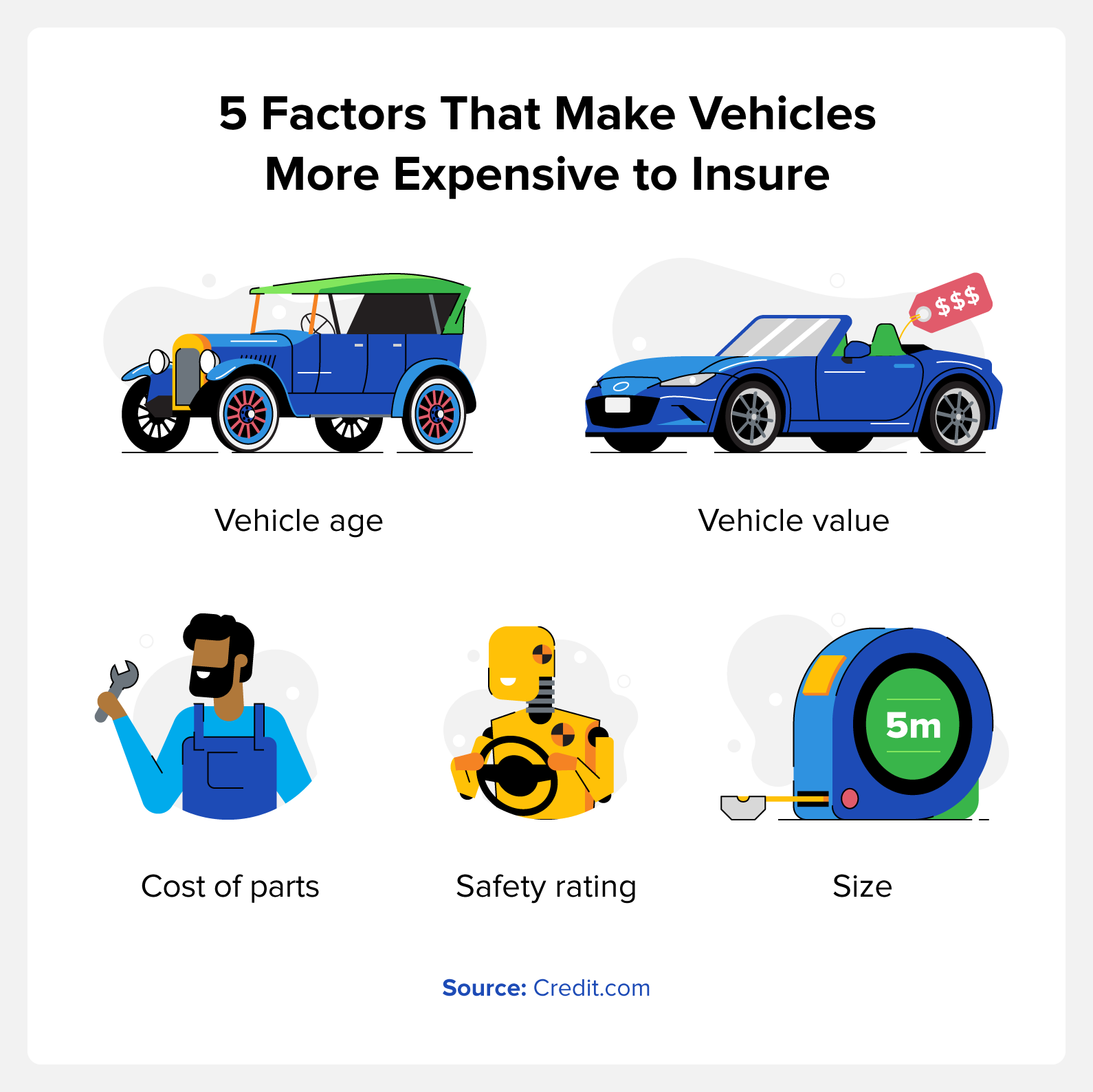
Understanding what drives your car insurance costs can help you make smarter choices about your vehicle and policy. Multiple factors come into play, affecting how much you pay for coverage. Let’s break down some key elements that influence insurance rates and see how they connect to the age and type of your car.
Impact Of Vehicle Age
Newer cars often come with higher insurance premiums. This is because their replacement value is higher, so insurers face bigger payouts if your car gets damaged or stolen.
Older vehicles might cost less to insure due to lower market value. However, if your car is too old, some insurers may charge more because older models can lack modern safety features and may be more prone to breakdowns.
Have you noticed how insurance quotes vary dramatically between a 2-year-old car and a 10-year-old one? It’s a direct reflection of the risks insurers associate with vehicle age.
Safety Features And Technology
Cars packed with advanced safety tech usually attract lower insurance costs. Features like automatic emergency braking, lane departure warnings, and anti-theft systems help reduce the chance of accidents and theft.
Insurers reward these features because they lower the risk and severity of claims. If your newer car has these safety upgrades, you might enjoy discounts that offset the higher base premium.
Think about your car’s safety features. Are you maximizing your insurance benefits by choosing a vehicle equipped with these protective technologies?
Repair And Replacement Expenses
The cost to fix or replace your car after an accident greatly impacts insurance premiums. Newer cars often use specialized parts and materials, making repairs more expensive.
Labor costs for high-tech vehicles can also be higher, driving up claims expenses. This means insurers charge more to cover these potential costs.
On the flip side, older cars might have cheaper parts and simpler mechanics, but extensive damage can sometimes make repairs impractical, influencing your insurance options.
Have you checked how repair costs for your vehicle model compare? This insight can guide you toward a better insurance deal.

Credit: thecarboys.ca
Comparing Insurance Premiums For New Vs. Older Cars
Comparing insurance premiums for newer versus older cars reveals key differences. Insurance costs depend on many factors. Age of the car plays a big role in pricing. New cars often have higher premiums than older models. Understanding why helps you make better choices.
Typical Cost Differences
New cars usually cost more to insure. Insurance companies see new cars as more valuable. Repairs and parts for new models can be expensive. Older cars often have lower premiums. Less value means less payout if damaged. But some older cars may have higher costs due to repair difficulties.
Role Of Depreciation
Depreciation lowers a car’s value over time. New cars lose value quickly in the first years. This affects insurance premiums directly. Lower value means insurers pay less after a claim. Older cars have slower depreciation rates. Insurance premiums decrease as the car ages. Depreciation helps explain why newer cars cost more to insure.
Effect Of Car Models And Brands
Car make and model impact insurance costs. Luxury and sports cars usually cost more to insure. High repair costs and theft rates raise premiums. Some brands have cheaper parts and better safety features. These reduce insurance costs. Popular models with good safety ratings often have lower premiums. Knowing your car’s model helps predict insurance costs.
Tips To Lower Insurance On Newer Vehicles
Lowering insurance costs on newer vehicles is possible with smart choices. Insurance premiums can be high for new cars. Yet, some simple steps help reduce these expenses significantly. Understanding coverage options, discounts, and driving habits plays a key role.
Choosing The Right Coverage
Select coverage that fits your needs, not just what is offered. Comprehensive and collision coverage protect your new car well. But these increase your premium. Consider your car’s value and your budget before adding extras. Liability coverage is mandatory in most states. It covers damage to others in an accident you cause. Adjust deductibles to balance monthly cost and out-of-pocket expenses. Higher deductibles lower premiums but mean more cost if you file a claim.
Discounts And Incentives
Many insurers offer discounts for newer vehicles. Ask about new car discounts or safety feature savings. Some discounts come from bundling auto and home insurance. Loyalty programs may lower rates over time. Pay attention to discounts for low mileage or good student status. Installing anti-theft devices can also reduce premiums. Always verify eligibility to maximize savings.
Maintaining A Good Driving Record
Clean driving records lead to better insurance rates. Avoid tickets, accidents, and claims to keep premiums low. Defensive driving courses may qualify for discounts. Insurers reward drivers who stay claim-free for years. Safe driving is the most reliable way to lower insurance costs on newer cars. Regularly check your insurance statements to track changes in rates.
Credit: credit.com
Frequently Asked Questions
Is Insuring A Newer Car More Expensive?
Newer cars often cost more to insure due to higher repair costs and advanced technology. However, discounts and safety features can lower rates.
Do Newer Cars Have Better Insurance Discounts?
Yes, newer cars usually qualify for discounts like safety features and anti-theft devices, reducing insurance premiums.
How Does Car Age Affect Insurance Rates?
Younger cars generally have higher insurance rates because repair and replacement costs are higher compared to older models.
Can Insurance Be Cheaper For New Cars With Safety Features?
Yes, safety features like automatic braking and airbags often lower insurance premiums on newer vehicles.
Conclusion
Choosing the right car impacts your insurance costs. Newer cars might offer advanced safety features. These features can lower insurance premiums. But, repair costs for new cars can be high. Older cars may have cheaper repairs but lack modern safety.
Your driving history also plays a role. Compare insurance quotes for different cars. Consider your budget and needs. Don’t rush the decision. Take time to research. This ensures you make an informed choice. Find the balance between car cost and insurance savings.
Stay smart and drive safe!