
Have you ever wondered why so many cars come with shiny alloy wheels instead of regular steel ones? If you want your car to look better, perform smoother, and even save fuel, understanding the use of alloy wheels can make a big difference.
This isn’t just about style—there are real benefits waiting for you when you choose the right wheels. Keep reading to discover how alloy wheels can improve your driving experience and why they might be the smart upgrade your car needs.

Credit: jralloywheelrepair.co.uk
Advantages Of Alloy Wheels
Alloy wheels offer several advantages that go beyond just making your car look good. They improve your vehicle’s performance and safety while adding value. Understanding these benefits can help you decide if upgrading to alloy wheels is right for your car.
Enhanced Aesthetics
Alloy wheels instantly give your car a modern, stylish appearance. They come in various designs and finishes, allowing you to customize your vehicle’s look easily. Have you noticed how a fresh set of alloy wheels can transform even an older car?
Weight Reduction
Alloys are lighter than traditional steel wheels, which reduces the overall weight of your car. This weight reduction can improve fuel efficiency and make handling smoother. You might feel the difference when taking sharp turns or accelerating quickly.
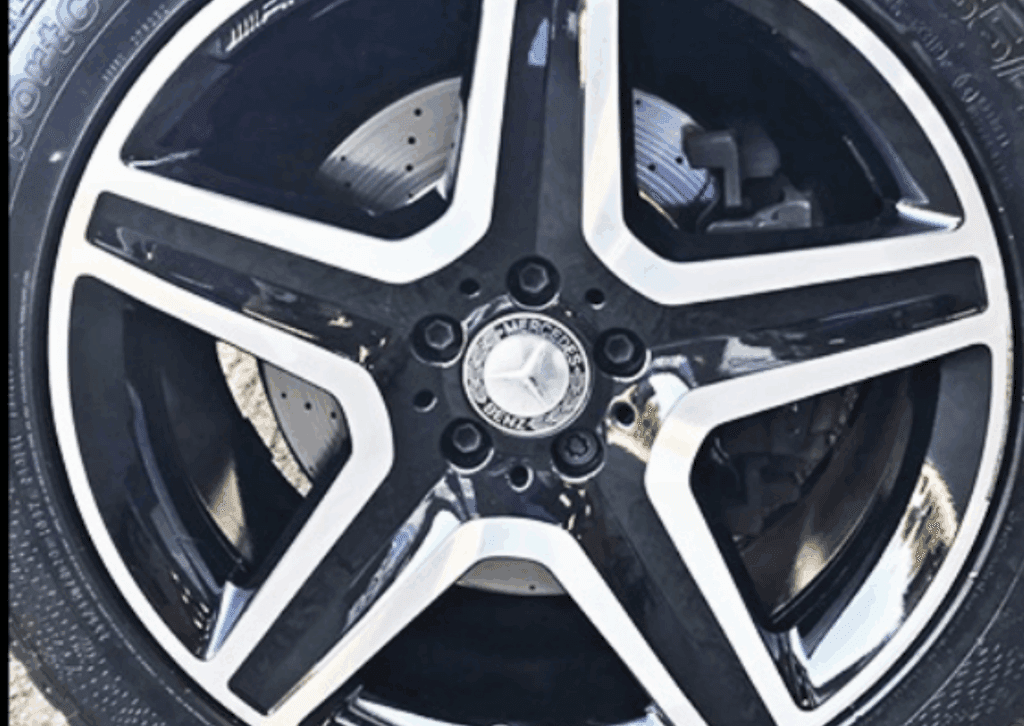
Improved Heat Dissipation
Alloy wheels allow heat to escape from the brakes more efficiently, which helps prevent brake failure. Better heat dissipation means your brakes stay cooler, especially during long drives or heavy braking. Have you ever experienced brake fade? Alloy wheels can help reduce that risk.
Credit: www.washdoctors.co.uk
Performance Improvements
Alloy wheels are more than just a stylish upgrade for your car. They bring noticeable performance improvements that affect how your vehicle handles, consumes fuel, and even how long your brakes last. These benefits come from the unique materials and design that set alloy wheels apart from traditional steel wheels.
Better Handling And Stability
Alloy wheels are lighter than steel wheels, which means less unsprung weight. This reduction improves your car’s responsiveness, making steering sharper and more precise. Have you ever felt the difference when taking a sharp turn? That smooth, confident grip is often thanks to alloy wheels.
The improved weight distribution also enhances stability on the road. Whether you’re driving on winding roads or city streets, alloy wheels help maintain better traction and control. You get a safer, more enjoyable driving experience.
Increased Fuel Efficiency
Because alloy wheels weigh less, your engine doesn’t have to work as hard to move the car. This can lead to noticeable fuel savings over time. Imagine saving money on gas just by choosing the right wheels.
The lighter wheel weight reduces the overall rolling resistance, making your car more efficient. It’s a small change that can add up, especially if you drive long distances regularly.
Reduced Brake Wear
Lighter alloy wheels mean less strain on your braking system. Since the wheels have less mass to slow down, your brakes don’t have to work as hard. This results in less heat buildup and slower brake pad wear.
Have you noticed your brakes lasting longer after switching to alloy wheels? Many drivers do. This can save you money on maintenance and improve your vehicle’s safety over time.
Choosing The Right Alloy Wheels
Choosing the right alloy wheels for your car isn’t just about looks—it affects performance, safety, and even fuel efficiency. The perfect set of wheels balances style with function, fitting your driving needs and vehicle specifications. Understanding the key factors behind your choice helps you make an informed decision that you’ll appreciate every time you hit the road.
Material Types And Designs
Alloy wheels mainly come in aluminum and magnesium varieties. Aluminum alloys are popular because they offer a good mix of strength, light weight, and affordability. Magnesium wheels are lighter but tend to be more expensive and less durable for everyday use.
Designs range from simple spokes to intricate patterns. Your choice affects not just aesthetics but also weight distribution and brake cooling. Have you noticed how some designs collect brake dust more easily? That’s something to consider if you want low-maintenance wheels.
Size And Fitment Considerations
Picking the right size is crucial. Wheels that are too large or too small can harm your car’s handling and fuel economy. Check your car’s manual or consult a professional to find the exact diameter, width, and offset suitable for your model.
Keep in mind, wider wheels improve grip but might require wider tires, which can affect your speedometer accuracy and suspension. Do you want a sporty feel or a comfortable ride? Your driving style should guide your size and fitment choices.
Maintenance Tips
Alloy wheels need regular cleaning to avoid corrosion and maintain shine. Use mild soap and water instead of harsh chemicals, which can damage the finish. Inspect your wheels frequently for cracks or bends, especially after hitting potholes.
Protect your investment by applying a wheel sealant or wax after cleaning. This helps repel dirt and brake dust, making future cleaning easier. Have you set a routine for wheel care yet? Staying consistent saves you money and keeps your car looking sharp.

Credit: k7forged.com
Frequently Asked Questions
What Are Alloy Wheels Used For In Cars?
Alloy wheels improve car performance by reducing weight and enhancing handling. They also provide better heat dissipation and boost the car’s appearance.
How Do Alloy Wheels Benefit Car Handling?
Alloy wheels are lighter than steel, reducing unsprung weight. This leads to improved steering response, better acceleration, and enhanced braking performance.
Are Alloy Wheels More Durable Than Steel Wheels?
Alloy wheels resist corrosion and rust better than steel. However, they can be more prone to cracking under severe impact compared to steel wheels.
Do Alloy Wheels Improve Car Fuel Efficiency?
Yes, alloy wheels reduce the car’s overall weight. This weight reduction can lead to better fuel economy and lower emissions.
Conclusion
Alloy wheels improve a car’s look and performance. They weigh less than steel wheels, helping cars drive better. Alloy wheels cool brakes faster, making driving safer. They resist rust and last longer on the road. Many drivers choose alloy wheels for style and strength.
They add value without much extra cost. Choosing alloy wheels makes sense for both function and design. Simple upgrades often bring the best benefits. Consider alloy wheels to enjoy a smoother, safer ride.