
Are you sure your car’s tires have the right pressure? It might seem like a small detail, but the pressure in your tires can make a big difference in how your car drives, how safe you are on the road, and even how much money you spend on fuel.
If the pressure is too low or too high, it could cause problems you don’t want to face. You’ll discover exactly what your car’s tire pressure should be and why it matters so much. Keep reading to learn the simple steps you can take to keep your tires—and yourself—safe.
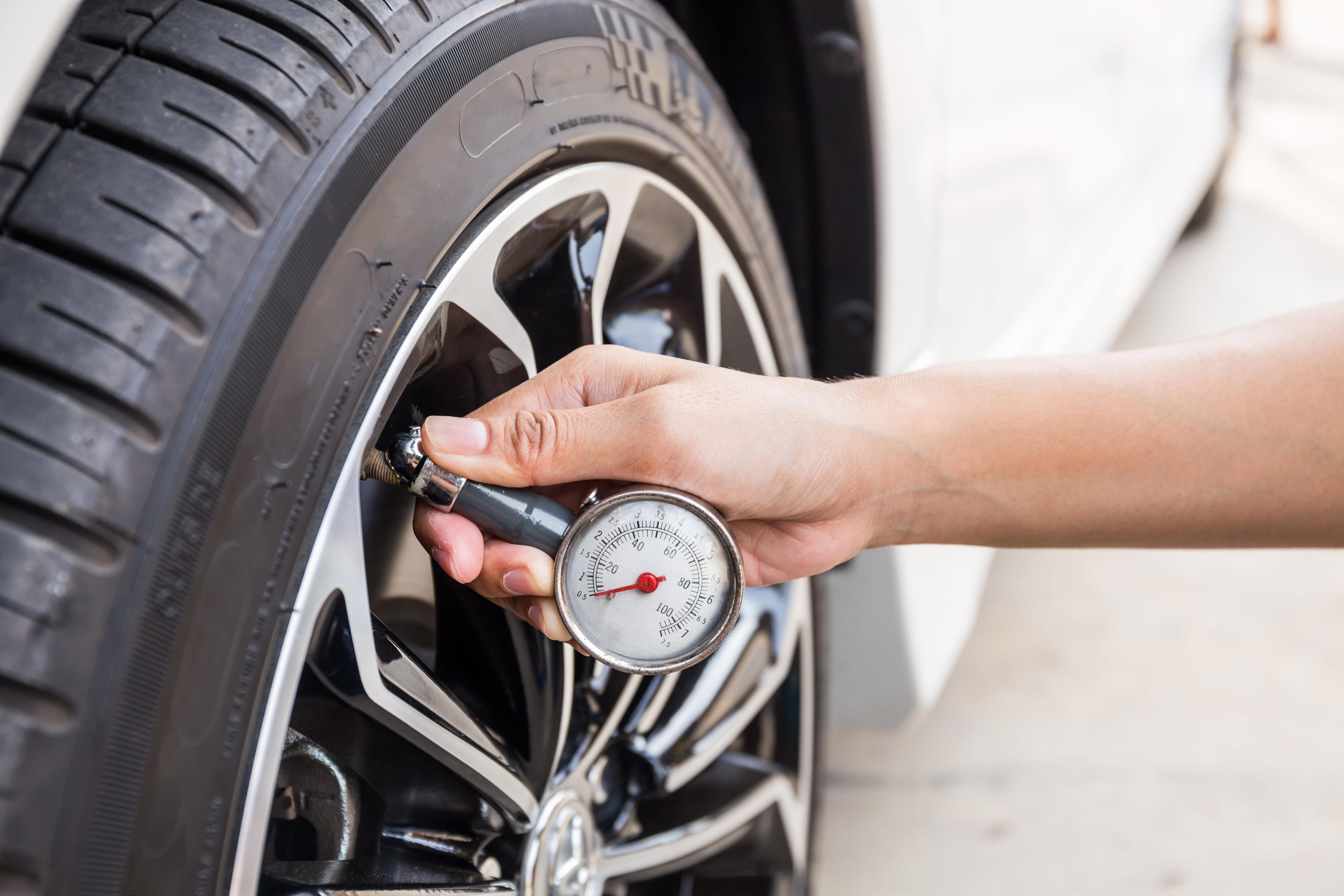
Credit: simpletire.com
Recommended Tire Pressure Levels
Maintaining the correct tire pressure ensures safety, fuel efficiency, and tire longevity. Recommended tire pressure levels vary by vehicle type and tire model. Knowing these levels helps avoid common problems like uneven wear or poor handling.
How To Find The Ideal Psi
Check the vehicle’s manual for the manufacturer’s recommended PSI. Look for a sticker inside the driver’s door or fuel door. This sticker shows the correct pressure for front and rear tires.
Never rely on the number printed on the tire sidewall. That number shows the maximum pressure, not the recommended pressure for your car.
Factors Affecting Tire Pressure
- Temperature changes affect tire pressure. Cold air lowers pressure, hot air raises it.
- Load weight impacts pressure. Heavier loads need higher tire pressure.
- Driving speed can also influence tire pressure. High speeds can increase pressure inside tires.
- Altitude changes may cause pressure differences due to air pressure variations.
Differences Between Front And Rear Tires
Front tires often carry more weight due to the engine’s position. They usually require slightly higher pressure.
Rear tires may have lower or equal pressure compared to front tires. Follow the specific PSI recommendations for each axle.
Proper balance between front and rear tire pressure improves vehicle stability and tire wear.
Checking And Maintaining Pressure
Maintaining the correct tire pressure is essential for safe driving and better fuel efficiency. Tires lose air over time and with changes in temperature. Checking tire pressure regularly helps avoid uneven tire wear and improves vehicle handling.
Keeping tires at the right pressure also extends their lifespan. It only takes a few minutes but can save money on repairs and fuel. Here are some key points about checking and maintaining tire pressure.
Tools For Measuring Tire Pressure
Use a reliable tire pressure gauge to measure tire pressure accurately. Common types include:
- Digital gauges with easy-to-read displays
- Dial gauges with a round meter
- Stick or pencil-style gauges for simple readings
Many gas stations have air pumps with built-in pressure gauges. Carry a personal gauge for more precise checks.
When And How Often To Check
Check tire pressure at least once a month. Also, check before long trips or when carrying heavy loads. Tires cool down after driving; check pressure when tires are cold for accurate results. Sudden temperature drops can lower tire pressure, so check more often in winter.
Steps To Inflate Or Deflate Tires
- Remove the valve cap from the tire
- Press the pressure gauge onto the valve stem and read the pressure
- Compare with the recommended pressure found in the vehicle manual or door sticker
- Use an air compressor to add air if pressure is low
- Press the valve stem with a small tool to release air if pressure is high
- Recheck pressure after adjusting
- Replace the valve cap securely
Repeat for all tires, including the spare. Proper tire pressure improves safety and driving comfort.
Risks Of Incorrect Tire Pressure
Maintaining the correct tire pressure is crucial for your car’s performance and your safety. Driving with tires that are either overinflated or underinflated can lead to serious problems. Understanding the risks of incorrect tire pressure helps you avoid costly repairs and dangerous situations on the road.
Impact On Safety And Handling
Your car’s handling changes significantly with incorrect tire pressure. Underinflated tires reduce your ability to steer and brake effectively, increasing the chance of accidents. Overinflated tires make your ride harsher and reduce the tire’s contact with the road, which can lead to loss of control during sharp turns or sudden stops.
Have you ever felt your car pull to one side or noticed a longer stopping distance? These could be signs of tire pressure issues affecting your safety. Checking and adjusting your tire pressure regularly ensures your vehicle responds as expected in critical moments.
Effects On Tire Wear And Fuel Efficiency
Incorrect tire pressure causes uneven tire wear, shortening the lifespan of your tires. Underinflated tires wear out on the edges, while overinflated ones wear down the center tread. This uneven wear means you’ll need to replace tires more often, which can get expensive.
Fuel efficiency also takes a hit when tires are not at the right pressure. Underinflated tires create more rolling resistance, forcing your engine to work harder and consume more fuel. Are you paying more at the pump than necessary? Proper tire pressure can save you money on fuel every time you drive.
Signs Of Over Or Underinflated Tires
- Underinflated Tires:Look for a soft or squishy feeling when you press the tire. You might also notice your car feels sluggish or harder to steer.
- Overinflated Tires:Your ride may feel bumpy or harsh. Tires might appear unusually rounded in the center, and you might hear more road noise.
- Visual Checks:Tires that look visibly flat or bulging on the sides are warning signs to check pressure immediately.
Regularly inspecting your tires for these signs can prevent bigger problems. How often do you check your tire pressure? Making it a part of your routine could keep you safer and save you money in the long run.

Credit: etenwolf.com

Credit: www.carsales.com.au
Frequently Asked Questions
What Is The Ideal Tire Pressure For A Car?
The ideal tire pressure varies by vehicle. Check your car’s manual or the sticker inside the driver’s door. Typically, it ranges between 30-35 PSI for most cars. Proper pressure ensures safety, fuel efficiency, and tire longevity.
How Often Should I Check My Car’s Tire Pressure?
You should check tire pressure at least once a month. Always check when tires are cold for accurate readings. Regular checks prevent uneven wear and improve driving safety.
What Happens If Tire Pressure Is Too Low?
Low tire pressure causes poor fuel economy and uneven tire wear. It can also lead to overheating and potential blowouts, risking your safety. Always maintain the recommended tire pressure.
Can Overinflated Tires Damage My Car?
Yes, overinflated tires reduce traction and cause uneven tire wear. They can lead to a harsh ride and increase the risk of tire damage. Stick to the manufacturer’s recommended pressure.
Conclusion
Keeping the right tire pressure helps your car run safely and smoothly. Check the pressure often, especially before long trips. Too low or too high pressure can cause problems. Proper tire pressure saves fuel and makes tires last longer. Use the number found on your car’s door or manual.
A small effort keeps your ride comfortable and safe. Stay aware, and your tires will serve you well. Simple steps make a big difference on the road.