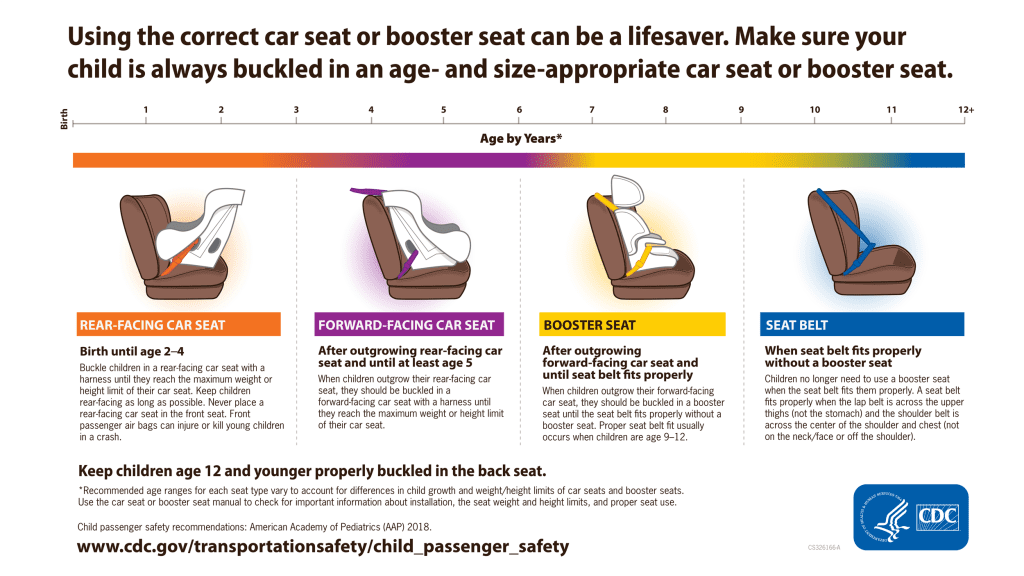
You want to keep your baby safe every time you buckle them into their car seat. But when is the right time to switch your little one from rear-facing to forward-facing?
This decision can feel confusing and even a bit stressful because you want what’s best for your child’s safety and comfort. You’ll discover the key signs and expert guidelines that tell you exactly when you can forward face your baby in their car seat.
Keep reading to make the safest choice for your family’s travels.

Credit: www.safetyandhealthmagazine.com
Recommended Age And Weight Limits
Knowing the right time to switch your baby to a forward-facing car seat is crucial for their safety. Age and weight limits vary by car seat brand and safety guidelines, but understanding these basics helps you make informed choices. Let’s look at the key recommendations that can keep your little one secure on every ride.
Recommended Age For Forward-facing Car Seats
Most experts suggest waiting until your child is at least 2 years old before turning their car seat forward-facing. Some safety organizations recommend keeping your child rear-facing as long as possible, ideally until age 3 or beyond. This is because rear-facing seats provide better support for your child’s head, neck, and spine during sudden stops or crashes.
Have you ever noticed how quickly toddlers grow? It’s tempting to switch too soon just because they seem restless or bigger. But patience here pays off in safety, so check your car seat manual and local laws before making the change.
Weight Limits To Consider
Each car seat has specific weight limits for rear-facing and forward-facing modes. Typically, children should remain rear-facing until they reach 20 to 40 pounds, depending on the seat model. Once your child exceeds the rear-facing weight limit, it’s time to consider switching to forward-facing.
Keep in mind that some convertible car seats accommodate higher rear-facing weights, allowing your child to stay rear-facing longer. This extra time can be a valuable safety buffer. Have you checked your seat’s maximum rear-facing weight yet?
Height And Other Important Factors
Besides age and weight, height plays a role in when your child can move forward-facing. When your child’s head is within one inch of the top of the car seat, it’s time to re-evaluate their position. Also, ensure the harness fits snugly and the seat is properly installed.
Remember, switching to forward-facing too early can increase injury risk in an accident. Pay attention to all these factors to decide the best timing for your child’s switch.

Credit: maxicosi.com
Risks Of Early Forward Facing
Turning your baby to face forward too early in a car seat can be risky. Babies have delicate necks and spines. Their bodies are not strong enough to handle the forces in a crash when facing forward at a young age. This can lead to serious injuries.
Experts recommend keeping babies rear-facing as long as possible. This position offers better support and protection. It spreads crash forces over the entire body, especially the head and neck.
Increased Risk Of Neck Injuries
Babies have weak neck muscles. Early forward facing puts extra stress on their necks. In a crash, the head can snap forward quickly. This sudden movement can cause neck injuries or spinal damage.
Less Protection For The Head And Spine
Rear-facing seats absorb crash forces better. They protect the head, neck, and spine by cradling the body. Forward-facing seats do not provide this level of support for infants.
Higher Chance Of Serious Injury In Crashes
Studies show that babies facing forward have a greater risk of serious injury. The impact of a collision hits the chest and neck harder. This increases the chance of broken bones or internal injuries.
Impact On Long-term Development
Injuries to the neck and spine can affect a child’s growth. Early forward facing increases this risk. Such injuries may lead to lifelong health problems or disabilities.
Safe Transition Guidelines
Transitioning your baby to a forward-facing car seat is an important decision. It affects their safety during every trip. Following safe transition guidelines helps protect your child and gives you peace of mind.
Each child grows at their own pace. Careful attention to their size and development matters more than age alone. Safety experts recommend meeting specific criteria before turning the car seat forward.
Check Your Baby’s Weight And Height Limits
Every car seat has limits set by the manufacturer. These include maximum weight and height for rear-facing use. Make sure your baby reaches these limits before changing the seat direction.
Exceeding these limits can reduce the seat’s ability to protect your child. Always read the car seat manual and follow its guidelines carefully.
Ensure Proper Harness Fit
The harness keeps your baby secure in the seat. It should fit snugly without causing discomfort. The straps must lie flat and not twist.
Before turning the seat forward, check if the harness adjusts properly in that position. A loose or poorly fitting harness puts your child at risk.
Follow Age Recommendations
Experts suggest keeping babies rear-facing until at least 2 years old. This position offers better protection for their head, neck, and spine.
Forward-facing too early can increase injury risk during a crash. Use age as a guideline but focus more on size and harness fit.
Verify Installation And Seat Angle
Proper installation is key to safety. Whether rear- or forward-facing, the seat must be securely attached to the vehicle.
Check the seat angle to support your baby’s head and neck. Follow manufacturer instructions for both positions to avoid incorrect angles.
Consult Safety Experts Or Resources
Trusted sources provide up-to-date car seat safety information. Pediatricians, certified child passenger safety technicians, and official websites are good options.
They can answer questions and help you choose the best time to switch your baby’s seat position.
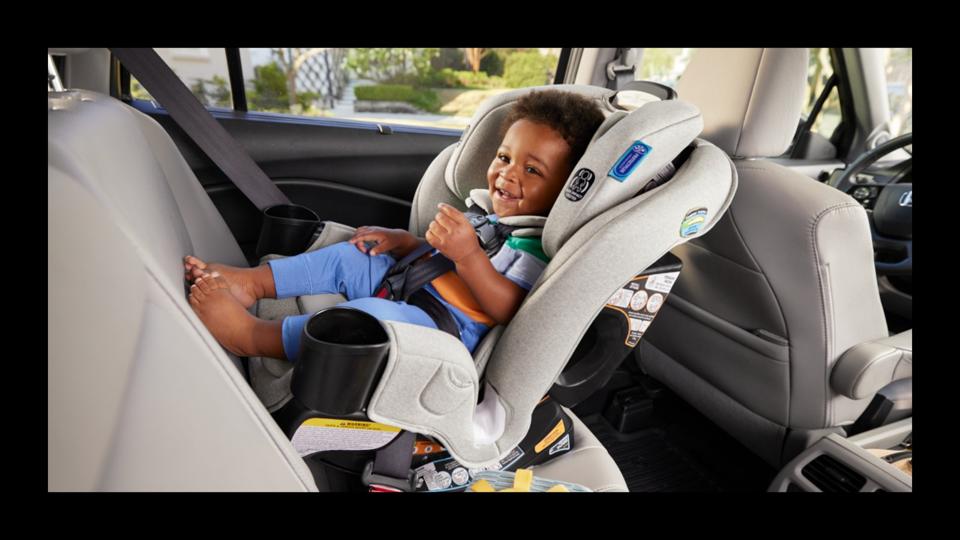
Credit: www.forbes.com
Frequently Asked Questions
When Is It Safe To Forward Face A Baby In A Car Seat?
It is safe to forward face a baby after they reach the car seat’s weight and height limits. Most experts recommend waiting until at least 2 years old to ensure proper neck and spine development for safety.
What Are The Risks Of Forward-facing Too Early?
Forward-facing too early increases the risk of serious injury in a crash. Babies’ neck muscles and spines are still developing, so rear-facing provides better protection for their head and body.
How Do I Know When To Switch To Forward-facing?
Check your car seat’s manufacturer guidelines for weight and height limits. Also, consider your child’s age and physical development before switching to forward-facing.
Can Premature Babies Be Forward-facing Earlier?
Premature babies should remain rear-facing until they meet the recommended weight, height, and developmental milestones. Always consult your pediatrician before making changes to car seat orientation.
Conclusion
Keeping your baby safe in the car is very important. Always follow the car seat rules carefully. Babies should stay rear-facing until they reach the right age and size. This helps protect their head and neck during a crash. Check your car seat manual for specific guidelines.
Never rush to turn the seat forward. Safety comes first, every time you travel. Remember, a properly used car seat can save lives. Stay informed and stay safe on the road. Your baby’s safety is worth the extra care.