
You just bought a brand-new car, and you want to keep it running smoothly for years to come. One question that probably crosses your mind is: when should you change the oil on your new car?
Getting this right is more important than you might think. The wrong timing could affect your engine’s health and your car’s performance. You’ll discover exactly when and why you need to change your new car’s oil. Keep reading to learn how to protect your investment and enjoy a trouble-free ride.
Credit: www.cmpauto.com
Manufacturer’s Oil Change Guidelines
The manufacturer’s oil change guidelines provide the best advice for maintaining your new car. These rules are designed to keep your engine running smoothly. Following them helps protect your warranty and extends engine life.
Each car brand and model has specific oil change intervals. These depend on the engine type and driving conditions. The guidelines can be found in the owner’s manual or sometimes on a sticker under the hood.
Understanding The Recommended Oil Change Interval
The recommended interval usually shows mileage or time, whichever comes first. Common intervals range from 5,000 to 10,000 miles or 6 to 12 months. Some cars use synthetic oil, which may last longer.
Why Following Manufacturer Guidelines Matters
Manufacturers test engines extensively to set these intervals. Changing oil too soon wastes money and resources. Changing too late may cause engine wear or damage. The right timing keeps your car efficient and reliable.
Where To Find Your Car’s Oil Change Schedule
- Check the owner’s manual under maintenance section.
- Look for stickers on the engine bay or door jamb.
- Visit the manufacturer’s official website for digital copies.
- Ask your dealership or authorized service center.
Adjusting Oil Change Intervals Based On Driving Habits
Severe driving conditions may require more frequent changes. Stop-and-go traffic, extreme temperatures, and towing add stress to the engine. Review your manual’s severe driving section for guidance. This helps keep your engine healthy under tough conditions.
Factors Affecting Oil Change Timing
Knowing the right time to change the oil on your new car depends on several important factors. These elements can affect how quickly the oil degrades and how well it protects your engine. Understanding these can help you avoid unnecessary oil changes and keep your car running smoothly.
Driving Conditions
Your daily driving habits greatly impact oil life. Short trips where the engine doesn’t fully warm up cause moisture and fuel to mix with the oil, breaking it down faster. On the other hand, long highway drives tend to be easier on the oil because the engine runs at a steady temperature.
Think about how often you drive in stop-and-go traffic or dusty environments. These conditions demand more frequent oil changes. Have you noticed your engine feels rougher after city driving? That’s a clue your oil may be working harder than usual.
Oil Type
The type of oil you use plays a big role in how long it lasts. Synthetic oils generally last longer and perform better under extreme temperatures compared to conventional oils. If your new car manufacturer recommends synthetic oil, sticking to that advice can extend the time between oil changes.
Check your oil’s label for the manufacturer’s suggested oil change intervals. Using the wrong oil type can reduce engine efficiency and increase wear. Do you know what oil is currently in your car? It’s worth confirming before setting your oil change schedule.
Engine Break-in Period
New engines go through a break-in period where the components settle and wear in slightly. During this time, the oil can pick up more metal particles and contaminants, meaning it needs to be changed sooner. Most manufacturers recommend an early oil change within the first 1,000 miles or so.
Ignoring this early oil change can reduce your engine’s lifespan. Think of it as giving your car a fresh start with clean oil after the initial wear. Have you checked your owner’s manual for the exact break-in oil change recommendation?
Signs Your New Car Needs An Oil Change
Recognizing the signs that your new car needs an oil change helps protect its engine. Fresh oil keeps the engine clean and running smoothly. Watch for clear signals that indicate oil is no longer effective.
Ignoring these signs can lead to engine damage and costly repairs. Early detection of oil issues supports your car’s performance and longevity.
Dark Or Dirty Oil
Check the oil color regularly. New oil is usually amber and clear. Dark, dirty oil means it has collected dirt and debris. This reduces its ability to lubricate engine parts effectively.
Engine Noise Or Knocking
Loud engine sounds can mean the oil is thinning out. Oil loses its cushioning power when old. This causes metal parts to rub, creating noise and wear.
Oil Change Light Or Warning Message
Modern cars have sensors to monitor oil quality. The oil change light or message appears on the dashboard. This alert signals it is time to change the oil.
Reduced Fuel Efficiency
Old oil makes the engine work harder. This leads to lower miles per gallon. A noticeable drop in fuel efficiency can indicate oil degradation.
Excessive Exhaust Smoke
Thick or blue smoke from the exhaust shows oil burning. This is a sign the oil is breaking down or leaking. It requires immediate attention and an oil change.
Oil Level Drops Quickly
Check the oil level regularly with the dipstick. Rapid drops in oil level mean leaks or burning. Low oil levels harm the engine and demand an oil change.

Credit: www.youtube.com
Benefits Of Timely Oil Changes
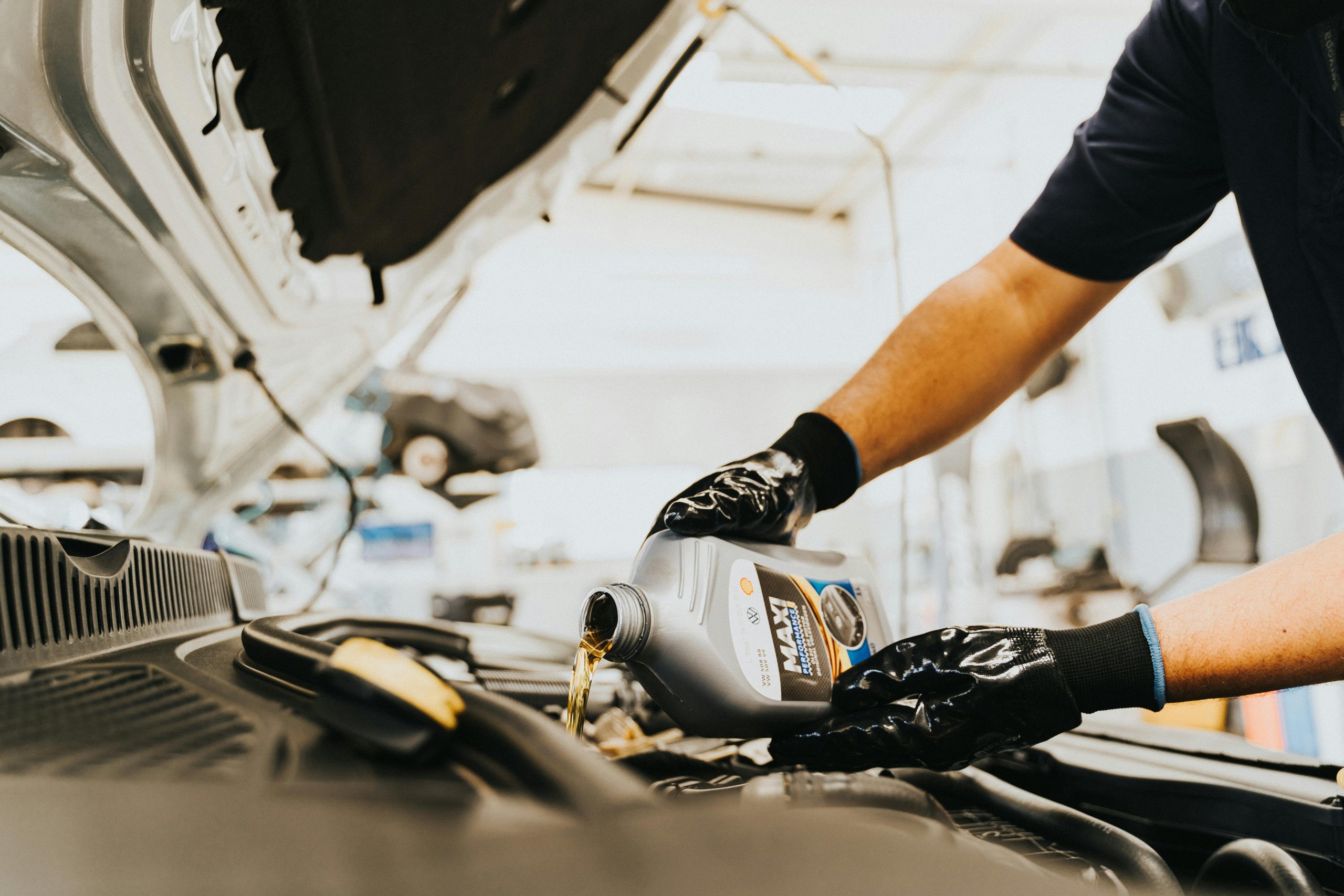
Changing the oil on time keeps your new car running smoothly. Fresh oil protects the engine parts from wear and tear. It helps the engine work efficiently and stay cool. Clean oil improves fuel economy and lowers emissions.
Neglecting oil changes can cause dirt buildup and sludge. This can damage engine components and reduce your car’s lifespan. Timely oil changes save money on costly repairs later. They also keep your car’s warranty valid.
Protects Engine Components
Fresh oil lubricates moving parts well. It reduces friction that causes damage. Clean oil stops dirt and debris from harming the engine. This keeps your engine healthy for a long time.
Improves Fuel Efficiency
New oil helps the engine run smoothly. Smooth running means less fuel is needed. This saves money at the pump. It also lowers harmful emissions from your car.
Prevents Overheating
Oil cools the engine by reducing heat. Old oil loses this ability. Changing oil on time keeps the engine temperature stable. This prevents overheating and engine failure.
Extends Engine Life
Regular oil changes reduce wear on engine parts. Less wear means your engine lasts longer. It helps maintain your car’s performance over time.
Maintains Warranty Coverage
Car manufacturers require timely oil changes. Following this keeps your warranty valid. It protects you from unexpected repair costs.

Credit: www.northstarmitsubishi.com
Frequently Asked Questions
When Should I Change Oil On A New Car?
Change oil on a new car after the first 1,000 miles or as recommended. Early oil change removes metal debris from engine break-in.
How Often To Change Oil For New Car Engines?
Typically, change oil every 5,000 to 7,500 miles for new cars. Follow the manufacturer’s maintenance schedule for best results.
Does Synthetic Oil Affect New Car Oil Change Intervals?
Synthetic oil usually extends oil change intervals in new cars. Always check your owner’s manual for specific recommendations.
Can Delaying Oil Change Harm A New Car Engine?
Yes, delaying oil changes can cause engine wear and reduce performance. Timely oil changes keep the engine clean and efficient.
Conclusion
Regular oil changes keep your new car running smoothly. Follow the manufacturer’s schedule for the best results. Check your oil level often, especially during the first months. Fresh oil protects your engine and improves performance. Skipping oil changes can cause costly damage over time.
Stay on top of oil care to enjoy a long-lasting vehicle. Remember, small steps now save you big repairs later. Take care of your car; it takes care of you.