
If you’re new to driving an automatic car, you might find yourself confused about which pedal is the brake. It’s a simple question, but getting it wrong can cause stress or even accidents.
Knowing exactly which pedal to press gives you confidence behind the wheel and keeps you safe. You’ll discover the clear answer and learn how to use the pedals smoothly every time you drive. Stick around—you don’t want to miss these essential tips that make your driving experience easier and safer.
Brake Pedal Location
Understanding the brake pedal location in an automatic car is crucial for safe and confident driving. The brake pedal is your primary tool to control the vehicle’s speed and come to a stop when necessary. Knowing exactly where it is and how it feels can prevent confusion, especially for new drivers.
Where Is The Brake Pedal Positioned?
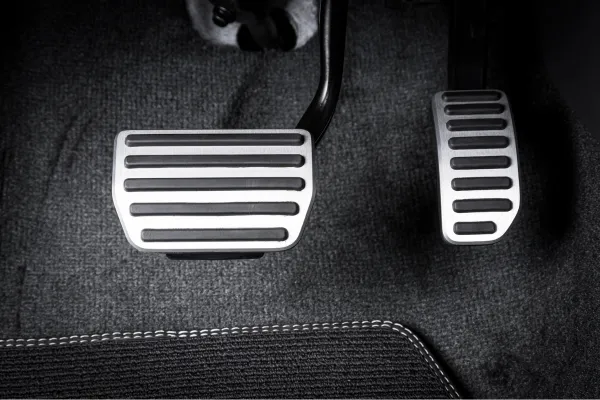
The brake pedal is located in the center of the pedal area, between the accelerator and the clutch (if present). In automatic cars, you won’t find a clutch pedal, so the brake sits comfortably to the left of the accelerator.
This setup allows you to easily switch your foot from the gas to the brake without looking down. Have you noticed how quickly experienced drivers tap the brake? This ease comes from knowing the pedal’s exact spot by muscle memory.
How To Identify The Brake Pedal By Feel
The brake pedal usually has a wider and flatter surface compared to the accelerator. It also feels firmer under your foot, giving you more control over braking intensity.
If you press down slowly, you’ll notice the resistance increases, allowing for gradual stops. This tactile difference helps prevent accidental braking or sudden halts.
Common Mistakes With Brake Pedal Location
Many new drivers accidentally press the accelerator instead of the brake due to unfamiliarity with pedal positions. This often happens during sudden stops or in emergencies.
Practicing in a safe, empty parking lot can help you build confidence. Can you feel the difference between the pedals without looking? That awareness is key to avoiding mistakes.

Credit: ownersmanual.kia.com
Differences From Manual Cars
Driving an automatic car feels quite different compared to a manual one, especially when it comes to using the pedals. Understanding these differences can make your transition smoother and boost your confidence behind the wheel.
Number Of Pedals And Their Functions
In a manual car, you’ll find three pedals: the clutch, brake, and accelerator. The clutch pedal is essential for changing gears manually. In contrast, an automatic car has only two pedals: the brake and accelerator.
This means in an automatic car, you no longer need to operate the clutch. You simply use your right foot to control both the brake and the accelerator, which can make driving less tiring and easier to learn.
Brake Pedal Size And Placement
The brake pedal in an automatic car is usually larger and positioned differently compared to a manual car. This design helps prevent confusion between the brake and accelerator pedals.
In my early days of driving automatics, the larger brake pedal helped me avoid accidental pressing of the gas when I meant to stop. Have you noticed how this size difference affects your braking confidence?
Using Your Feet: One Or Two?
Manual cars require your left foot to operate the clutch and your right foot to handle the brake and accelerator. Automatics simplify this by allowing you to use only your right foot for both pedals.
This reduces the complexity of footwork and can improve your reaction time. Do you find it easier to focus on traffic when you don’t have to juggle three pedals?
Impact On Driving Technique And Safety
Because automatic cars eliminate the clutch pedal, drivers can focus more on steering and traffic conditions. This can make driving less stressful, especially in stop-and-go traffic.
However, some drivers miss the control manual transmissions provide over engine braking. Are you curious about how this difference might affect your driving style or safety?
Safety Tips For Using Brakes
Braking is one of the most important skills for safe driving. Knowing how to use the brake pedal correctly can prevent accidents. It helps keep control of the car in all situations. Here are some simple safety tips for using brakes in an automatic car.
Maintain A Safe Following Distance
Keep enough space between your car and the one ahead. This gives you time to brake smoothly and avoid collisions. The greater the speed, the more distance you need.
Apply Brakes Gently
Press the brake pedal slowly and steadily. Sudden braking can cause the car to skid or lose control. Smooth braking also feels more comfortable for passengers.
Check Brake Responsiveness Regularly
Test your brakes often to ensure they work well. If the pedal feels soft or the car takes longer to stop, have the brakes checked by a mechanic.
Use Engine Braking When Possible
Lift your foot off the accelerator early to slow down naturally. This reduces wear on the brake pads and helps maintain control on slopes.
Avoid Riding The Brake Pedal
Do not rest your foot on the brake pedal while driving. This can cause brake overheating and reduce effectiveness when you need to stop quickly.
Stay Alert To Road Conditions
Wet, icy, or gravel roads require more careful braking. Slow down early and brake gently to prevent slipping or sliding.

Credit: www.shutterstock.com
Credit: ivsabq.com
Frequently Asked Questions
Which Pedal Is The Brake In An Automatic Car?
In an automatic car, the brake pedal is the larger pedal located on the left side. It is used to slow down or stop the vehicle safely. The smaller pedal on the right is the accelerator.
How To Identify The Brake Pedal In An Automatic Car?
The brake pedal is usually wider and positioned to the left of the accelerator. It often has a rubber surface for grip. Pressing it slows or stops the car, while the accelerator on the right increases speed.
Can You Use The Accelerator As A Brake In Automatics?
No, the accelerator is only for increasing speed. Using it as a brake is unsafe and can cause accidents. Always use the brake pedal to slow down or stop your automatic car.
Why Is The Brake Pedal Larger Than The Accelerator?
The brake pedal is larger to allow easier and safer access. It ensures drivers can quickly and confidently stop the vehicle in emergencies. The larger size helps prevent accidental pressing of the wrong pedal.
Conclusion
The brake pedal in an automatic car is always on the left. Pressing it helps you slow down or stop safely. The right pedal is the gas pedal, which makes the car go. Knowing which pedal is which keeps driving safe and easy.
Practice helps you feel confident behind the wheel. Remember, the brake pedal is your key to control speed. Stay alert and drive carefully every time you get in the car. Safety first, always.