
Have you ever noticed your car’s interior lights flickering unexpectedly? It’s not just annoying—it can also signal a hidden problem that might affect your safety or comfort.
You might wonder, “Why is this happening to my car? ” Understanding the reasons behind those flickering lights can save you time, money, and stress. Keep reading to discover the common causes and simple fixes, so you can get back to enjoying a smooth and steady ride.
Common Electrical Issues
Flickering interior lights often point to electrical problems inside your car. These issues can interrupt the steady flow of electricity. Understanding common electrical faults helps find the right fix faster. Electrical problems range from simple wiring troubles to serious battery faults.
Loose Wiring Connections
Loose wiring is a frequent cause of flickering lights. Wires may come loose from vibration or wear. This disrupts the electrical circuit and causes light flicker. Check wiring near the dashboard and under seats. Tightening or reconnecting wires usually solves the problem.
Faulty Alternator
The alternator charges the battery and powers the electrical system. A failing alternator cannot supply stable voltage. This leads to flickering lights and other electrical glitches. Signs of a bad alternator include dim lights and a dead battery. Replacing the alternator often restores normal function.
Battery Problems
A weak or damaged battery can cause interior lights to flicker. Corroded terminals or low charge reduce electrical flow. Battery issues might also trigger warning lights on the dashboard. Testing the battery and cleaning terminals can improve the connection. Sometimes, a new battery is necessary for steady power.
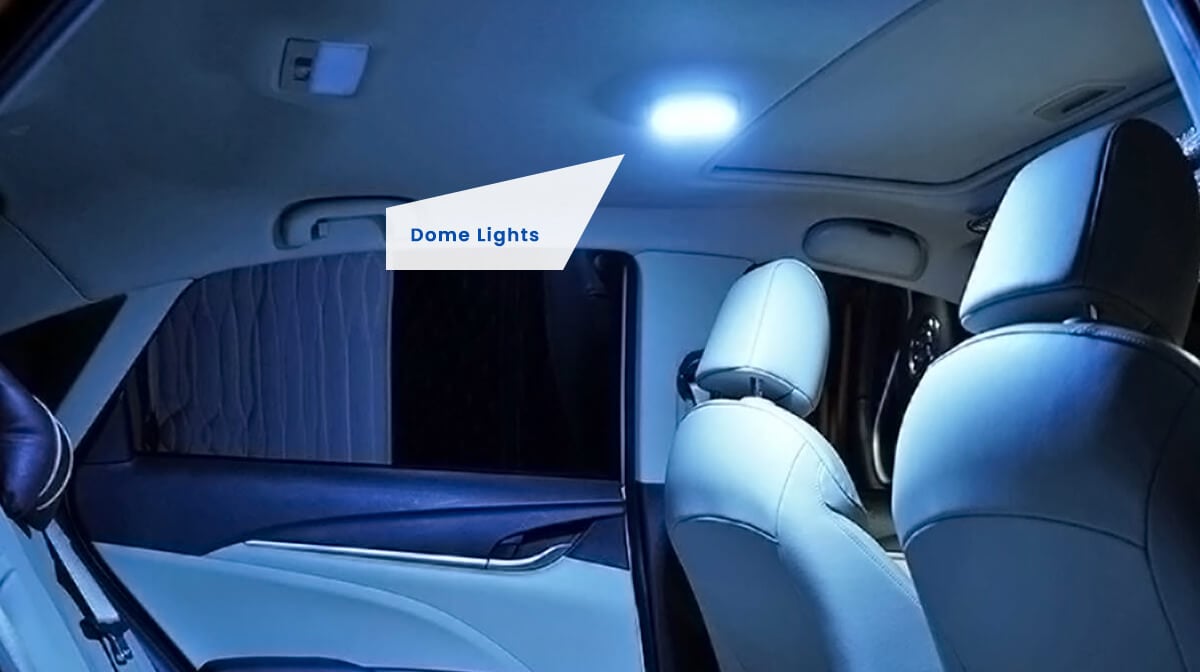
Credit: www.suncentauto.com
Bulb And Lighting Component Problems
Flickering interior lights often point to problems with bulbs and their related parts. These issues can cause inconsistent lighting or sudden flickers. Understanding common component problems helps identify the root cause quickly. Here are the main bulb and lighting component problems that cause flickering.
Worn Out Bulbs
Bulbs wear out over time due to constant use and heat. A worn-out bulb may flicker because its filament is damaged or loose. Replacing old bulbs usually stops the flickering and restores steady light.
Corroded Sockets
Corrosion in bulb sockets blocks proper electrical contact. Moisture or dirt can cause corrosion inside the socket. This weak connection makes the light flicker or fail to turn on. Cleaning or replacing corroded sockets solves this problem.
Poor Grounding
Poor grounding interrupts the electrical flow to interior lights. A loose or broken ground wire causes flickering and dim lights. Ensuring all ground connections are tight and clean restores stable lighting performance.
Environmental And External Factors
Flickering interior lights in your car can often be traced back to environmental and external factors. These influences affect the electrical system in subtle ways, causing intermittent issues that might seem random. Understanding how your surroundings impact your vehicle can help you pinpoint the cause and decide the best course of action.
Temperature Fluctuations
Changes in temperature can cause metal components inside your car’s electrical system to expand and contract. This movement can loosen connections or affect wiring, leading to flickering lights. Have you noticed your interior lights acting up more during cold mornings or after a hot day? That’s a common sign that temperature swings are at play.
Extreme cold can make wires brittle, increasing the chance of cracks or breaks. On the other hand, heat can soften insulation, causing short circuits or poor contact. Keeping an eye on when the flickering happens can give you clues about whether temperature is the culprit.
Vibration And Movement
Your car is constantly moving, and with that movement comes vibration. Over time, vibrations can loosen electrical connections or damage wiring harnesses. If your interior lights flicker more while driving on bumpy roads, it might be due to these small but persistent shakes.
Think about how a loose battery terminal can cause similar issues. The same principle applies to interior light wiring. Securing loose connections or replacing worn-out clips can often stop the flickering caused by vibration.
Moisture And Water Damage
Water and electronics rarely mix well. Moisture can seep into light sockets or wiring, causing corrosion and short circuits. If you’ve recently experienced heavy rain, car washes, or spilled drinks inside your vehicle, moisture might be behind your flickering lights.
Check for damp carpets or musty smells, which can indicate water intrusion. Drying out affected areas and using contact cleaner on electrical parts might save you a trip to the mechanic. Have you ever noticed your lights flicker right after a rainstorm? That’s a strong hint to inspect for moisture damage.

Credit: www.reddit.com

Credit: www.reddit.com
Frequently Asked Questions
Why Do Car Interior Lights Flicker Randomly?
Car interior lights flicker due to loose wiring or a weak battery connection. Faulty switches or a failing alternator can also cause flickering. Checking these components helps identify the root issue quickly.
Can A Bad Battery Cause Interior Lights To Flicker?
Yes, a weak or dying battery can cause interior lights to flicker. Insufficient power supply disrupts the light’s stability. Testing your battery and replacing it if needed can solve the flickering problem.
How Does A Faulty Alternator Affect Interior Lights?
A faulty alternator can cause inconsistent voltage, leading to flickering interior lights. It fails to charge the battery properly, affecting electrical components. Getting your alternator checked prevents further electrical issues.
Could Loose Wiring Cause Interior Light Flickering?
Loose wiring often results in flickering interior lights. Vibrations and movement inside the car can loosen connections over time. Inspecting and securing wires usually resolves the flickering problem.
Conclusion
Flickering interior lights can signal small or big car problems. Check your car’s battery and wiring first. Loose connections often cause this issue. A quick fix can save you from bigger repairs. Don’t ignore flickering lights; they affect safety and comfort.
Regular car checks help catch issues early. Stay alert to unusual signs in your car. Fixing flickering lights keeps your drives smooth and safe. Simple care goes a long way in car maintenance.