
Have you ever pressed your brake pedal and heard a grinding noise that makes your stomach drop? That unsettling sound is your car’s way of telling you something isn’t right—and ignoring it could put your safety at risk.
You might wonder, “Why is my car grinding when I brake? ” Understanding the cause behind this noise can save you from costly repairs and keep you safe on the road. You’ll discover the common reasons behind brake grinding and what you should do next to protect your car and yourself.
Keep reading—your safety depends on it.

Credit: www.carsales.com.au
Common Causes Of Brake Grinding
Brake grinding is a common issue that drivers face. It usually signals a problem in the braking system. Understanding the common causes helps to address the issue quickly. This reduces the risk of further damage and keeps the car safe.
Worn Brake Pads
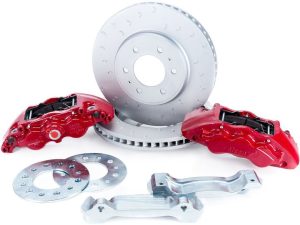
Brake pads wear down over time due to friction. Thin pads lose their ability to cushion the contact with the rotor. Metal parts inside the pads may start to rub against the rotor. This contact creates a loud grinding noise. Ignoring worn pads can lead to costly repairs.
Damaged Brake Rotors
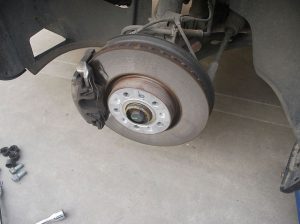
Rotors can become damaged or warped from heat and wear. This damage causes uneven contact with the brake pads. The grinding sound occurs as the rotor surface scrapes against the pads. Driving with damaged rotors reduces braking efficiency and safety.
Debris Between Pads And Rotors
Small stones, dirt, or metal fragments can get stuck between pads and rotors. These foreign objects cause a rough grinding noise during braking. Debris can also scratch or damage the rotor surface. Regular cleaning prevents this issue and keeps brakes smooth.
Risks Of Ignoring Brake Grinding
Ignoring brake grinding can lead to serious problems. The noise is a warning sign your brakes need attention. Delaying repairs puts your car and safety at risk. Understanding these risks helps you act fast and avoid costly damage.
Reduced Braking Efficiency
Grinding brakes lose their ability to stop your car quickly. The worn brake pads cannot create enough friction. This increases stopping distance and makes braking unsafe. Slow response in emergencies can cause accidents.
Damage To Brake System Components
Grinding damages more than just brake pads. It can wear down the rotors and calipers. Repair costs rise when multiple parts fail. Early repair keeps your brake system intact and cheaper to fix.
Safety Hazards On The Road
Faulty brakes increase the risk of collisions. You might not stop in time at traffic lights or crossings. Other drivers and pedestrians also face danger. Safe brakes protect everyone on the road.
Quick Fixes For Brake Grinding
Hearing a grinding noise when you brake can be alarming. The good news is, many brake grinding issues have quick fixes that you can try yourself or get done easily at a shop. Tackling these problems early can save you from costly repairs and keep your car safe on the road.
Inspecting And Replacing Brake Pads
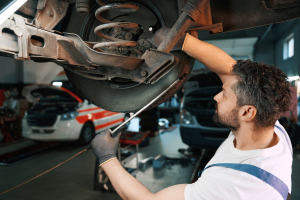
Your brake pads are often the first cause of grinding sounds. Over time, they wear down and expose the metal beneath, which can scrape against the rotors. Take a moment to check the thickness of your pads—if they look thin or uneven, it’s time to replace them.
Replacing brake pads isn’t as complicated as it sounds. You can buy a replacement kit and follow straightforward guides online. Have you ever felt the difference in braking smoothness after swapping out old pads? It’s surprisingly noticeable.
Resurfacing Or Replacing Rotors
Rotors can become uneven or develop grooves from worn brake pads. This rough surface causes that harsh grinding noise. You might be able to fix this by resurfacing the rotors, which smooths out the damage.
If the rotors are too thin or badly damaged, resurfacing won’t help—you’ll need to replace them. Checking rotor condition often requires a mechanic’s tools, but it’s worth the investment to avoid unsafe brakes. Have you checked your rotor condition during your last brake inspection?
Cleaning Brake Components
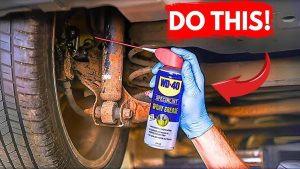
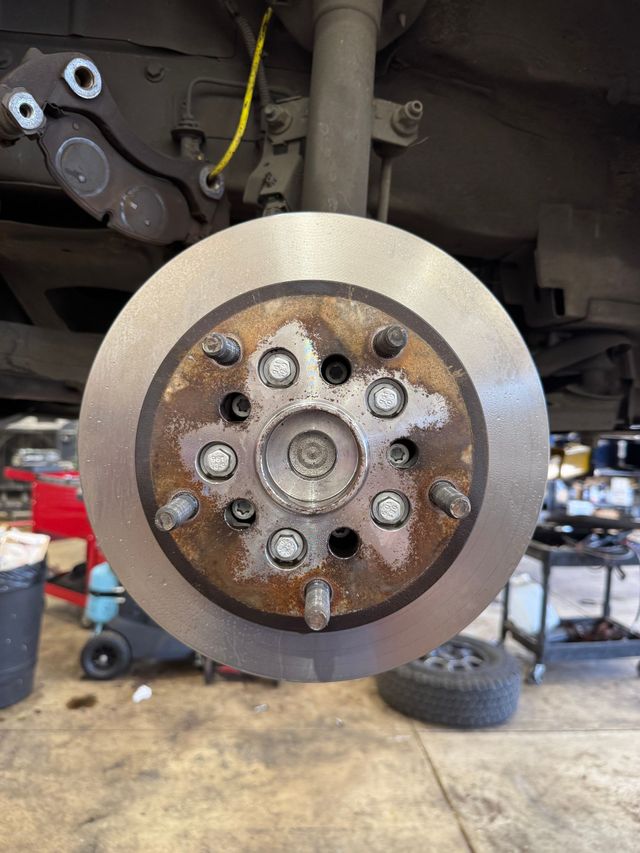
Brake components can collect dirt, rust, and debris, which also cause grinding noises. Cleaning them can restore smooth operation and reduce unwanted sounds. Use a brake cleaner spray and a wire brush to gently remove buildup around the pads and rotors.
Don’t forget to check for stuck calipers or pins, which can cause parts to drag and grind. Regular cleaning keeps your brakes responsive and extends their lifespan. When was the last time you gave your brakes a thorough cleaning?
Credit: www.jhautomotiveinc.com

Credit: www.citychevrolet.com
Frequently Asked Questions
Why Does My Car Make Grinding Noise When Braking?
Grinding noise usually indicates worn brake pads or damaged rotors. It means metal parts are rubbing, risking brake failure. Immediate inspection and repair are essential to ensure safe driving.
Can Worn Brake Pads Cause Grinding Sounds?
Yes, worn brake pads expose metal backing, causing a grinding noise during braking. This damages rotors and reduces braking efficiency. Replace brake pads promptly to avoid costly repairs and maintain safety.
Is Brake Grinding Dangerous To Ignore?
Ignoring brake grinding is dangerous. It can lead to brake failure and accidents. Grinding damages rotors and pads, increasing repair costs. Always address brake noises quickly for safe vehicle operation.
How Can I Stop My Car From Grinding When Braking?
To stop grinding, inspect and replace worn brake pads or rotors. Regular brake maintenance prevents noise and damage. If unsure, consult a mechanic for proper diagnosis and repair.
Conclusion
Hearing grinding noises when braking signals a problem. It could mean worn brake pads or damaged rotors. Ignoring this can lead to bigger, costly repairs. Safety matters most, so address the issue quickly. Regular brake checks keep your car safe and smooth.
Don’t wait until the noise gets worse. Taking care of brakes protects you and others on the road. Remember, a quiet brake means a safer drive.