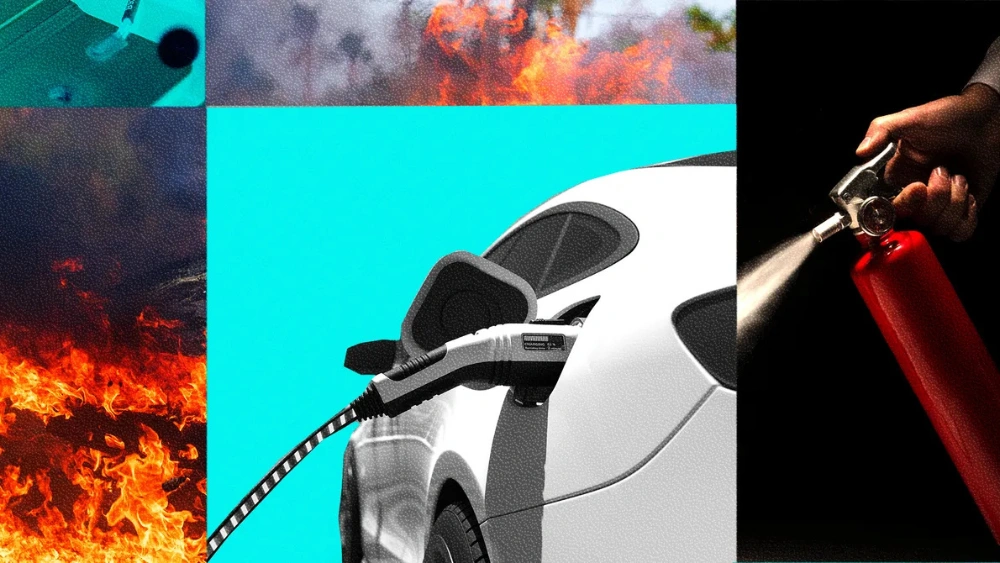
Imagine your electric car suddenly catches fire. What would you do?
Knowing how to extinguish an electric car fire could save your life and protect those around you. This type of fire is different from regular car fires, and using the wrong methods can make things worse. You’ll discover simple, clear steps to handle this emergency safely and effectively.
Keep reading to make sure you’re prepared if the unexpected happens.

Credit: www.youtube.com
Causes Of Electric Car Fires
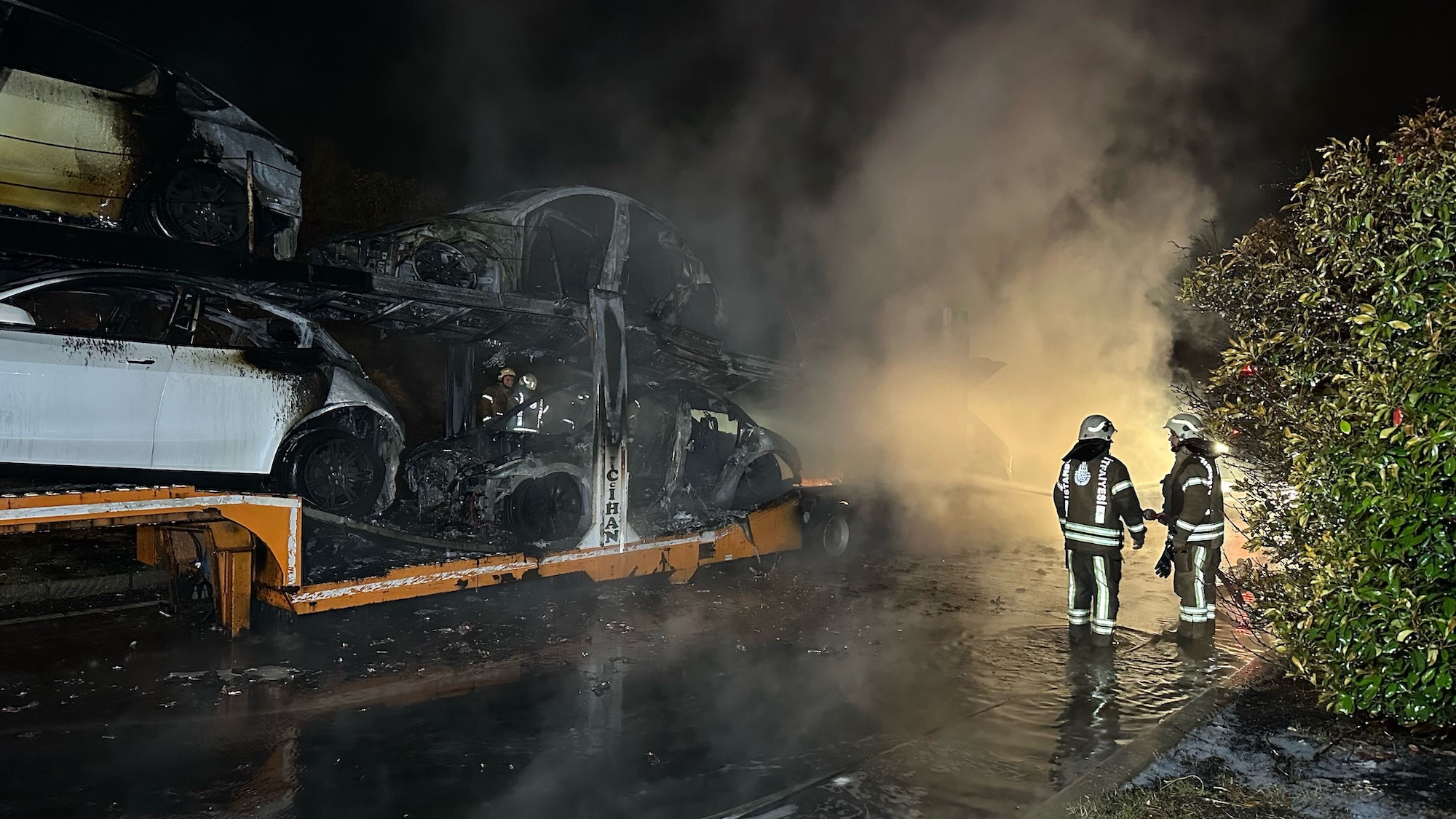
Electric car fires, though relatively rare, can be alarming and dangerous. Understanding what triggers these fires helps you stay prepared and respond effectively. Let’s break down the main causes so you can spot risks early and protect yourself and others.
Battery Malfunctions
The heart of any electric vehicle is its battery, usually made of lithium-ion cells. These batteries can overheat due to internal short circuits or damage from impacts. If the battery casing is compromised, it can lead to thermal runaway—a rapid, uncontrollable increase in temperature that causes a fire.
Have you ever wondered what happens inside a battery during a crash? Even minor dents or punctures may not show immediate signs but can trigger dangerous chemical reactions later. That’s why regular battery checks and avoiding rough handling are crucial for safety.
Electrical System Failures
Electric cars rely on complex electrical systems to power motors and manage energy flow. Faulty wiring, poor insulation, or manufacturing defects can cause short circuits. These electrical failures generate sparks or heat that may ignite flammable materials nearby.
Pay attention to warning signs like flickering dashboard lights or unusual smells. These can indicate hidden electrical issues that, if ignored, might escalate into serious fires. Have a trusted mechanic inspect your car’s electrical system regularly.
External Factors
Sometimes, external elements cause electric car fires. Exposure to extreme heat, flooding, or accidents can damage the battery or electrical components. Even improper charging methods or using incompatible chargers can overwork the system and lead to overheating.
Think about where you park and charge your car. Is it in a safe, well-ventilated spot? Avoid leaving your vehicle in direct sunlight for hours or near flammable materials. Taking these small steps reduces your fire risk significantly.
Credit: www.popsci.com
Safe Fire Extinguishing Methods
Handling an electric car fire requires careful attention and the right approach. Using safe fire extinguishing methods can prevent injuries and limit damage. Electric vehicle fires differ from regular fires, so common techniques may not work. Knowing what to do helps you act confidently and quickly.
Using The Right Extinguisher
Choose an extinguisher designed for electrical fires. Class C or multi-purpose ABC extinguishers work best. These extinguishers can safely put out fires involving electricity. Avoid using extinguishers meant only for wood or paper fires. Having the correct extinguisher nearby improves safety.
Avoiding Water And Foam
Do not use water or foam on electric car fires. Water can conduct electricity and cause shocks. Foam may react with battery chemicals and worsen the fire. Use dry chemical or CO2 extinguishers instead. Staying clear of water and foam reduces risk.
Step-by-step Extinguishing Process
- Keep a safe distance from the burning vehicle.
- Call emergency services immediately.
- Approach with the right extinguisher ready.
- Aim the nozzle at the base of the flames.
- Spray in a sweeping motion to cover the fire.
- Watch for reignition and be prepared to spray again.
- Evacuate if the fire grows or smoke thickens.
Preventive Measures And Emergency Response
Handling an electric car fire requires a clear understanding of both prevention and emergency response. Taking the right steps before a fire breaks out can drastically reduce risks. Knowing exactly what to do if a fire starts can protect your safety and minimize damage.
Regular Maintenance Checks
Keeping your electric car in top condition is your first defense. Regularly inspect the battery and electrical systems for any signs of wear or damage. Look out for unusual smells, sounds, or warning lights on the dashboard.
Always follow the manufacturer’s recommended service schedule. During maintenance, ask your mechanic to check the high-voltage cables and battery cooling system. These parts are critical in preventing overheating and potential fires.
Emergency Shutdown Procedures
If you suspect a fire or electrical fault, shutting down the vehicle immediately can help stop the fire from spreading. Learn how to safely cut off the power supply in your specific car model. This usually involves turning off the ignition and disconnecting the battery if it is safe to do so.
Keep a fire extinguisher rated for electrical fires (Class C) in your vehicle. Using water or regular extinguishers can worsen an electric fire. Have a clear plan for quick action—know where the extinguisher is and how to use it properly.
When To Call Professionals
Never try to fight a large electric car fire on your own. If the fire grows beyond a small flame or you feel unsure, call emergency services immediately. Firefighters have specialized training and equipment to handle high-voltage fires safely.
Even after the fire is out, get your car inspected by professionals before attempting any repairs. Hidden damage to the battery or wiring can pose ongoing risks. Can you afford to take chances with your safety and that of others on the road?
Credit: www.speakev.com
Frequently Asked Questions
How Do You Safely Extinguish An Electric Car Fire?
Use a Class D fire extinguisher or large amounts of water. Avoid using foam or dry chemical extinguishers. Call emergency services immediately and keep a safe distance from the vehicle.
Can Regular Fire Extinguishers Put Out Electric Car Fires?
Regular extinguishers often fail on electric car fires due to lithium-ion battery chemistry. Specialized extinguishers or water are more effective for cooling and suppressing these fires safely.
Why Are Electric Car Fires Harder To Extinguish?
Electric car fires involve lithium-ion batteries that can reignite. They produce toxic fumes and require prolonged cooling. This makes them more complex and dangerous than traditional vehicle fires.
Should You Move The Electric Car During A Fire?
No, avoid moving the car during a fire. Moving can cause battery damage, spreading the fire or causing explosions. Wait for professionals to handle the situation safely.
Conclusion
Electric car fires need quick and careful action. Use a fire extinguisher rated for electrical fires. Keep a safe distance to avoid harm. Call emergency services right away. Do not try to open the battery compartment. Stay calm and follow safety steps clearly.
Knowing how to respond can protect lives. Safety comes first in every situation. Remember these tips to handle electric car fires safely. Stay alert and prepared for any emergency.