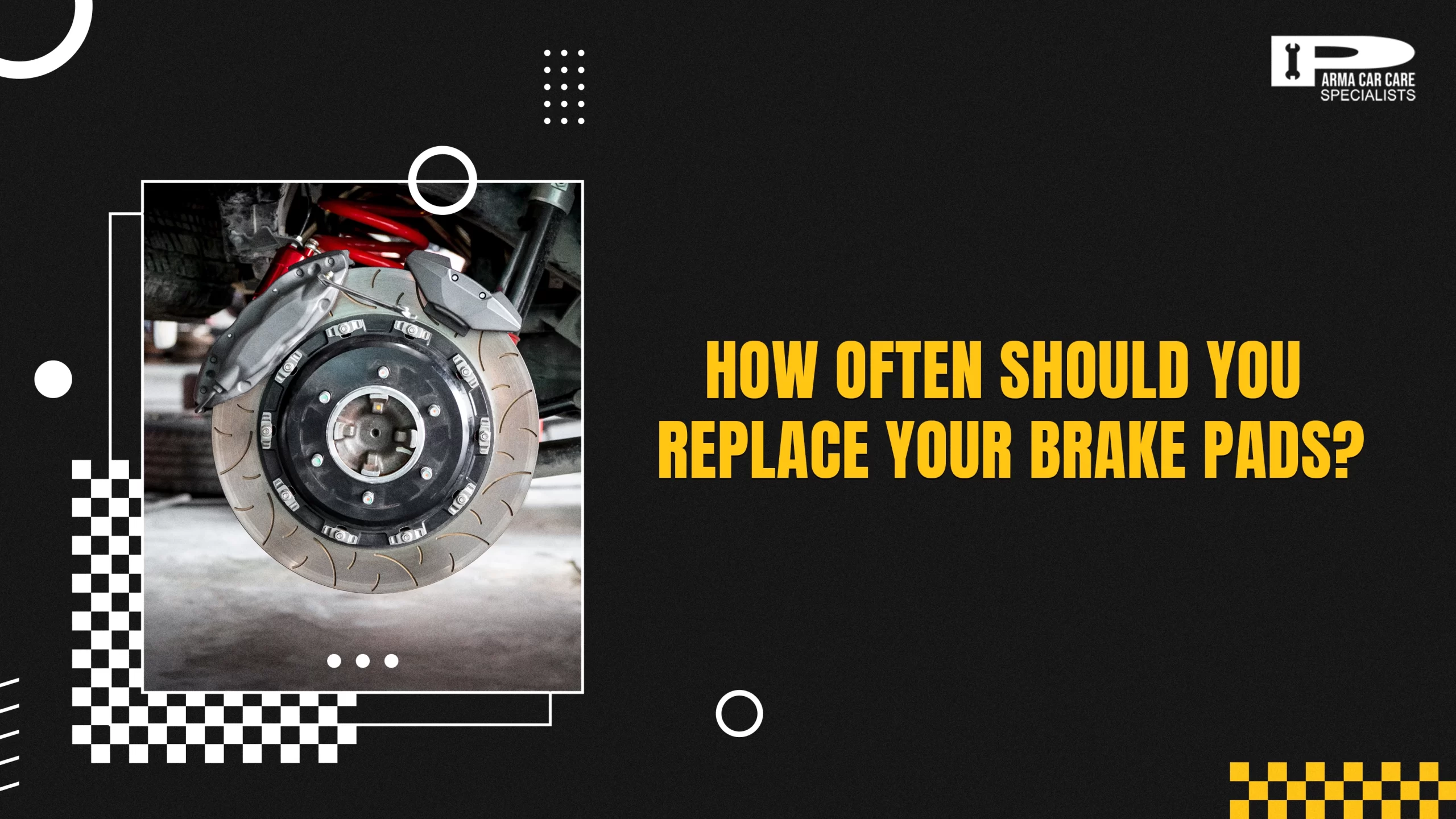
Your car brakes are one of the most important safety features on your vehicle. But how often should you replace them?
If you wait too long, you risk dangerous accidents. Replace them too soon, and you might waste money. This article will help you understand the signs of worn brakes, the factors that affect their lifespan, and when it’s time to get new ones.
Keep reading to protect yourself, your passengers, and your wallet.
Credit: www.northyorkchrysler.ca
Signs Of Worn Brake Pads
Recognizing the signs of worn brake pads is crucial for your safety and the longevity of your vehicle. Brake pads don’t last forever, and ignoring early warnings can lead to costly repairs or dangerous driving conditions. Paying attention to subtle changes in your car’s braking behavior can save you time and money while keeping you safe on the road.
Squeaking And Grinding Noises
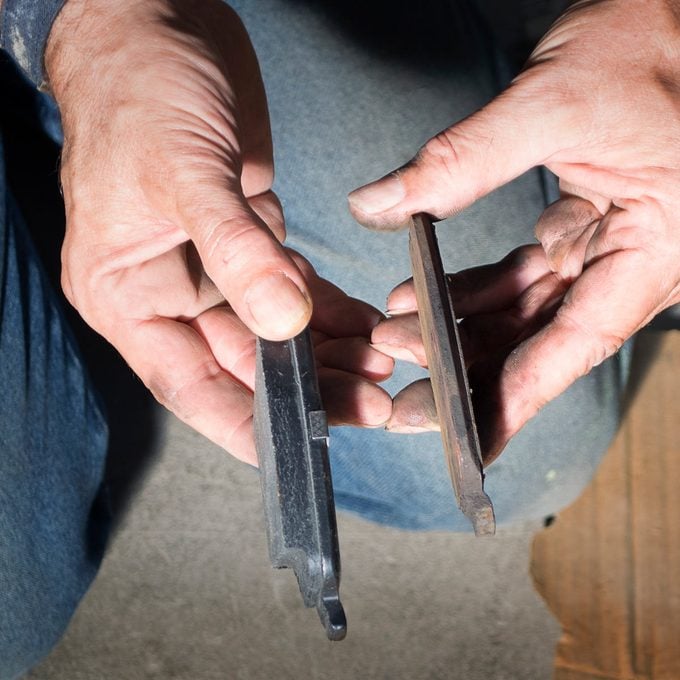
Have you ever heard a high-pitched squeak when you press the brakes? That noise often means your brake pads are getting thin. Most brake pads have a built-in wear indicator that creates this sound as a warning.
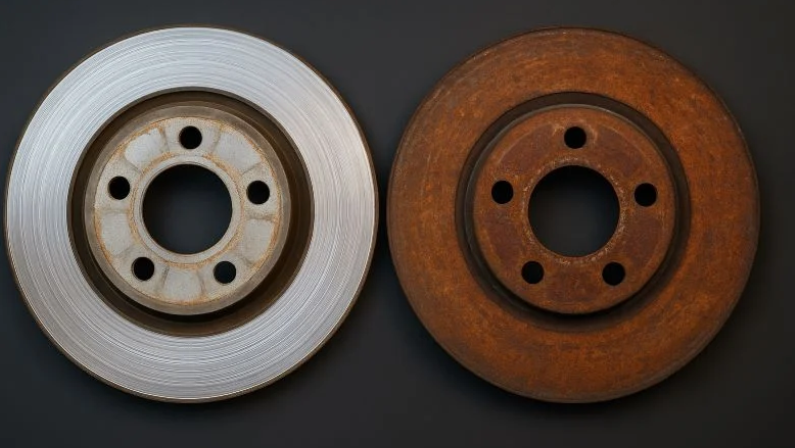
If the noise changes to a harsh grinding, it means the pads are completely worn out, and metal parts are rubbing together. This can seriously damage your rotors and increase repair costs. Don’t ignore these sounds—address them immediately.
Reduced Braking Performance
Does your car take longer to stop or feel less responsive when you press the brake pedal? This drop in braking power is a red flag. Worn brake pads can’t generate enough friction to stop your vehicle efficiently.
Even a small delay in stopping distance can be dangerous, especially in emergency situations. If you notice your brakes aren’t as sharp as before, it’s time to get them checked.
Vibration Or Pulsation
When you feel a vibration or pulsation in the brake pedal or steering wheel while braking, it might be a sign of uneven or worn brake pads. This happens because the pads no longer make consistent contact with the rotor.
Ignoring this can lead to uneven wear and worsen braking issues. Have you experienced this sensation during your drives? It’s a clear sign that your brakes need attention.
Credit: www.familyhandyman.com
Factors Affecting Brake Lifespan
The lifespan of car brakes depends on several important factors. These factors influence how quickly brake pads and discs wear out. Understanding them helps you know when to replace your brakes. Brake wear varies from driver to driver and vehicle to vehicle.
Driving Habits
How you drive changes brake life a lot. Hard braking and quick stops wear brakes faster. Gentle braking and smooth driving help brakes last longer. City driving with many stops uses brakes more than highway driving. Long downhill drives also cause more brake wear.
Vehicle Type And Usage
Heavier vehicles put more stress on brakes. Trucks and SUVs often need brake changes sooner than small cars. Frequent towing or carrying heavy loads increases brake wear. Off-road driving can also damage brakes faster due to dirt and debris.
Brake Material Quality
Brake pads come in different materials like organic, semi-metallic, and ceramic. High-quality materials last longer and perform better. Cheaper pads may wear out quickly and create more dust. Choosing good brake materials helps improve safety and lifespan.
Timing For Brake Replacement
Knowing the right timing for brake replacement can save you from unexpected breakdowns and costly repairs. Your brakes wear down based on how you drive, road conditions, and the type of brake pads used. Paying attention to when to replace them keeps your car safe and running smoothly.
Manufacturer Recommendations
Car manufacturers provide guidelines on brake replacement intervals in your vehicle’s owner manual. These recommendations usually suggest changing brake pads every 30,000 to 70,000 miles, but this range can vary widely.
Following these guidelines is a good starting point, but they may not fit your unique driving style. For example, if you often drive in heavy traffic or mountainous areas, your brakes might wear out faster than the manual suggests.
Inspection Frequency
Regular brake inspections are key to knowing when replacement is necessary. Experts recommend checking your brakes at least every 10,000 miles or during oil changes.
Listen for squeaking or grinding noises, and watch for changes in brake responsiveness. Have you noticed your car taking longer to stop or the brake pedal feeling softer? These signs mean it’s time for an inspection.
Professional Vs. Diy Replacement
Deciding between professional brake service and doing it yourself depends on your comfort and experience. Professionals have the tools and expertise to spot hidden issues like rotor damage or brake fluid leaks.
DIY brake replacement can save money but risks missing subtle problems that affect safety. If you choose to replace your brakes yourself, make sure you follow detailed guides and use quality parts. Would you trust your brakes to a quick fix or prefer expert care?

Credit: toplegalfirm.org
Frequently Asked Questions
How Often Should Car Brake Pads Be Replaced?
Brake pads typically need replacement every 30,000 to 70,000 miles. However, this varies based on driving habits and conditions. Regular inspection helps identify wear early, ensuring safety and optimal brake performance.
What Are Signs That Brakes Need Replacing?
Common signs include squeaking noises, reduced braking power, and vibration while braking. If the brake warning light appears, or the pedal feels soft, it’s time to check and possibly replace the brakes.
Can I Drive With Worn-out Brakes?
Driving with worn brakes is dangerous and increases accident risk. It can also damage other brake components, leading to costly repairs. Replace worn brakes promptly to maintain vehicle safety and performance.
How Does Driving Style Affect Brake Lifespan?
Aggressive braking and frequent stop-and-go driving wear brakes faster. Smooth, gradual braking extends brake life. Adjust your driving style to improve brake longevity and reduce maintenance costs.
Conclusion
Car brakes wear out with use and need regular checks. Changing them on time keeps you safe on the road. Listen for noises or feel any changes while driving. These signs help know when to replace brake pads. Regular maintenance saves money and prevents bigger problems.
Don’t wait for brakes to fail completely. Stay alert and take action when needed. Your safety depends on good brakes every day.