
Have you ever wondered if you can start your car while it’s sitting on jack stands? It’s a question that might pop up when you’re working on your vehicle or troubleshooting a problem.
You want to be safe, but you also want to get the job done quickly and efficiently. Knowing the answer can save you time and keep you from making costly mistakes. You’ll discover exactly what you need to know before turning that key and what safety tips you must follow to protect yourself and your car.
Keep reading to find out the truth behind starting a car on jack stands.

Credit: www.youtube.com
Risks Of Starting A Car On Jack Stands
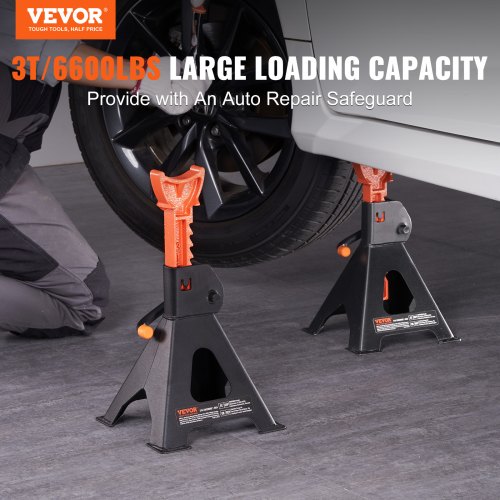
Starting a car on jack stands carries serious risks. Jack stands are designed to hold a car safely off the ground, not to support the vehicle while it runs. The engine and drivetrain create forces that can shift the car. This movement can cause the car to fall off the stands. Understanding these dangers helps prevent accidents and injuries.
Instability And Risk Of Falling
Jack stands provide stable support only if the car is still. Running the engine causes vibrations and movement. These forces can make the car wobble or slip. If the stands are not positioned perfectly, the car may fall. This can cause damage to the car and injury to anyone nearby.
Damage To Transmission And Drivetrain
Starting the car while on jack stands can strain the transmission. The drivetrain parts are not designed to operate with wheels off the ground. Spinning wheels without road contact can cause overheating or damage. This increases repair costs and reduces vehicle lifespan.
Safety Hazards To People
People working under or near the car face dangers. A falling car can cause serious injuries or death. Loose or unstable jack stands add to this risk. Always prioritize safety by avoiding starting a car on stands.
Credit: www.vevor.ca
Proper Jack Stand Placement
Proper jack stand placement is essential for both safety and effectiveness when working under your car. If the stands aren’t positioned correctly, the vehicle can slip or fall, causing serious injury or damage. You need to know exactly where to place the jack stands to keep your car stable and secure.
Identify Strong Points On The Vehicle Frame
Look for the manufacturer’s recommended jack points, usually found in your car’s manual. These spots are designed to handle the car’s weight without bending or breaking. Placing the jack stands under these strong points ensures the vehicle stays steady.
If you can’t find the manual, check for thick metal sections along the frame or reinforced areas near the wheels. Avoid placing stands under plastic parts, exhaust pipes, or any fragile components. Have you ever tried lifting your car only to find it rocking? That’s often because the stands weren’t on solid points.
Level And Firm Ground Is A Must
Always set your jack stands on a flat, hard surface like concrete or asphalt. Soft ground, gravel, or dirt can cause the stands to sink and shift. If you only have soft ground, place a sturdy board underneath to distribute the weight evenly.
This small step can prevent a dangerous accident. Imagine your car suddenly tilting because the jack stand slipped into the dirt—how would you react? Taking time to prepare the ground gives you peace of mind and a safer working environment.
Double-check Stability Before Getting Underneath
Once the jack stands are in place, gently push the car to test if it’s solid. If you feel any movement, reposition the stands immediately. Stability is not just about correct placement but also about how well the stands hold the car steady.
I remember once thinking the car was secure, but it wobbled slightly when I nudged it. That small test saved me from a potential accident. Always trust your hands-on check over just visual confirmation.
Safety Precautions To Follow
Starting a car on jack stands requires careful attention to safety. Cars on jack stands can become unstable and pose serious risks. Taking the right precautions protects both you and your vehicle. Follow these important safety steps to work safely and avoid accidents.
Check The Stability Of The Jack Stands
Place the jack stands on a flat, hard surface. Avoid soft or uneven ground that can cause slipping. Ensure the stands are rated for your car’s weight. Double-check that the stands are locked securely before starting the engine.
Use Wheel Chocks For Extra Security
Place wheel chocks on wheels still touching the ground. This prevents the car from rolling. Use sturdy chocks made of rubber or metal. Position them tightly against the tires for best hold.
Never Rely On The Jack Alone
A hydraulic or scissor jack is not safe for holding a car. Always use jack stands to support the vehicle. Jacks can fail or lower unexpectedly. Jack stands provide stable and reliable support during engine start.
Keep Clear Of Moving Parts
Ensure no body parts or tools are under the car. Avoid loose clothing that could get caught. Stay clear of the engine bay when starting the car. This reduces the chance of injury from moving belts or fans.
Have A Fire Extinguisher Nearby
Starting the engine on jack stands can cause sparks or leaks. Keep a fire extinguisher within reach. Choose one rated for fuel and electrical fires. This adds a layer of protection in case of emergencies.
Work In A Well-ventilated Area
Exhaust fumes build up quickly in closed spaces. Always start your car in open or ventilated areas. Use fans or open doors to improve airflow. This prevents dangerous carbon monoxide poisoning.

Credit: www.reddit.com
Alternatives To Starting On Jack Stands
Starting a car on jack stands can be risky and unsafe. There are safer options to test or work on your vehicle without the dangers of using jack stands for engine startup. These alternatives help protect you and your car while allowing necessary checks or repairs.
Use A Drive-on Lift Or Car Ramp
A drive-on lift or car ramp raises the vehicle safely off the ground. These tools provide better stability than jack stands. You can start the car and test wheel movement without the risk of the car falling.
Start The Engine With Wheels On The Ground
Keeping the wheels on the ground is the safest method. You can perform most engine tests and diagnostics without lifting the vehicle. It avoids any chance of the car slipping off supports.
Remove Wheels And Use A Wheel Chock
Removing the wheels allows access to brakes and suspension parts. Place strong wheel chocks to prevent the car from rolling. This method keeps the car steady without relying on jack stands for support.
Use A Dynamometer For Wheel Testing
A dynamometer lets you run the engine and test the wheels safely. It simulates driving conditions while the vehicle stays stationary. This tool is common in professional garages for safe diagnostics.
Disconnect The Drive Shaft For Safety
Disconnecting the drive shaft stops power from reaching the wheels. You can start the engine safely without moving the car. This method reduces the risk while inspecting drivetrain components.
Frequently Asked Questions
Can You Start A Car While On Jack Stands?
Yes, you can start a car on jack stands, but it’s risky and not recommended. The car may be unstable and could fall, causing injury or damage.
Is It Safe To Run The Engine On Jack Stands?
Running the engine on jack stands is unsafe without proper precautions. The vehicle can slip or fall if the stands aren’t secure.
Why Should You Avoid Driving A Car On Jack Stands?
Driving on jack stands is dangerous because the car isn’t fully supported. This can lead to accidents or damage to the vehicle.
Can Starting A Car On Jack Stands Damage The Transmission?
Starting a car on jack stands usually won’t harm the transmission, but shifting gears while elevated can cause stress if the car slips.
Conclusion
Starting a car on jack stands can be risky and unsafe. The car might move or fall, causing injury or damage. Always use proper safety tools and follow instructions carefully. Use jack stands only to hold the car, not for running the engine.
Stay cautious and take your time when working under a car. Safety should always come first to avoid accidents. Keep your workspace clean and organized. Remember, careful steps protect both you and your vehicle.