
You rely on your car every day, but have you ever stopped to think about how long it can really go without an oil change? Skipping this simple maintenance step might seem harmless, but it can quietly damage your engine and cost you big in repairs.
Understanding the right timing for oil changes isn’t just about following rules—it’s about protecting your investment and keeping your car running smoothly. Keep reading to discover how long your car can safely go without an oil change and why timing matters more than you think.
Signs Of Old Engine Oil
Knowing the signs of old engine oil is key to keeping your car running smoothly. Engine oil doesn’t just lubricate; it also cleans, cools, and protects vital engine parts. Ignoring the warning signs can lead to costly repairs, but spotting these signs early can save your engine from damage.
Visual Indicators
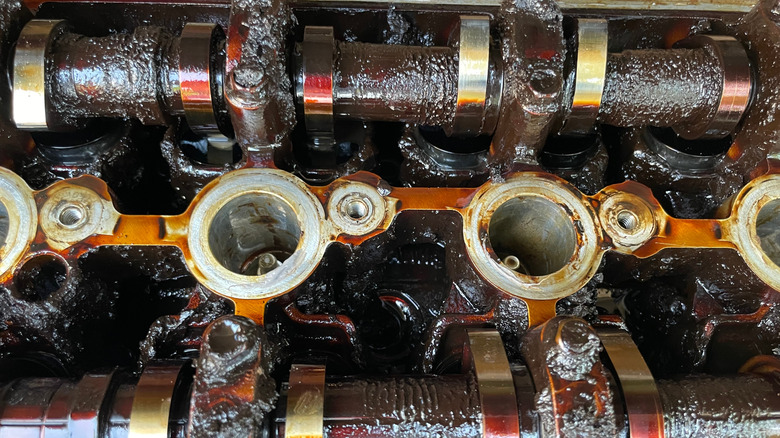
Check your engine oil’s color and consistency regularly. Fresh oil usually looks amber and clear, but old oil darkens to a thick, black color due to dirt and contaminants.
If the oil appears gritty or has metal particles, it’s a red flag. Also, oil that looks milky might indicate coolant leaking into the oil, which is a serious problem.
Performance Issues
Notice if your car feels sluggish or less responsive. Old oil loses its ability to lubricate properly, causing increased friction and heat inside the engine.
Your fuel efficiency might drop as the engine works harder. You could also experience trouble starting your car or see the check engine light come on without an obvious reason.
Unusual Engine Noises
Pay attention to knocking or ticking sounds from the engine. These noises often mean parts aren’t getting enough lubrication.
If you hear grinding or loud tapping, it’s a sign the oil has broken down or is too low. Delaying an oil change when you hear these sounds can cause severe engine damage.

Credit: www.youtube.com
Recommended Oil Change Intervals
Knowing the recommended oil change intervals for your car is essential to keep the engine running smoothly. These intervals vary depending on several factors, including the car manufacturer’s advice, your driving habits, and the type of oil you use. Understanding these guidelines helps you avoid engine damage and maintain optimal vehicle performance.
Manufacturer Guidelines
Your car’s manual is the best place to find oil change recommendations. Most manufacturers suggest changing oil every 5,000 to 7,500 miles for regular driving. However, some newer models with advanced engines and synthetic oils can go up to 10,000 miles or more between changes.
Ignoring these guidelines can lead to reduced engine efficiency or costly repairs. Have you checked your owner’s manual lately? Following the exact recommendations from the maker is a practical way to protect your investment.
Impact Of Driving Conditions
Driving conditions significantly affect how often you should change your oil. Frequent short trips, stop-and-go traffic, or driving in dusty or extreme weather can cause oil to degrade faster.
If you often drive in these conditions, consider changing your oil more frequently than the standard interval. Do you drive mostly in the city or on highways? Adjusting oil change frequency based on your driving style can save you from unexpected engine troubles.
Synthetic Vs Conventional Oil
Synthetic oil lasts longer than conventional oil and performs better under extreme temperatures. Many synthetic oils allow you to extend oil change intervals to 7,500 to 15,000 miles.
However, synthetic oil usually costs more upfront. It’s worth weighing the cost against the convenience and engine protection you gain. Have you tried synthetic oil yet? It could be a smart choice if you want fewer visits to the service center.
Risks Of Delaying Oil Changes
Delaying oil changes might seem harmless at first, but it can quickly lead to serious problems for your car. Oil is essential for keeping your engine parts moving smoothly and preventing overheating. Ignoring this simple maintenance task puts your vehicle at risk in several significant ways.
Engine Wear And Damage
Oil lubricates your engine’s moving parts, reducing friction and wear. When oil gets old, it loses its ability to protect these components, causing them to grind against each other. Over time, this can lead to permanent engine damage that’s expensive or even impossible to fix.
Have you ever noticed your engine running rough or making unusual noises? These can be early signs that your oil isn’t doing its job anymore. Don’t wait until the damage is visible—regular oil changes keep your engine healthy and extend its life.
Reduced Fuel Efficiency
Dirty or old oil makes your engine work harder than it needs to. This extra effort uses more fuel, which means you’re spending more at the pump. If you want to save money on gas, keeping your oil fresh is one of the easiest steps you can take.
Think about the last time you felt your car was less responsive or sluggish. That drop in performance often links back to poor oil quality. Clean oil helps your engine run smoothly, keeping your ride efficient and your wallet happier.
Potential Costly Repairs
Skipping oil changes might save time now, but it often leads to expensive repairs later. Engine components like pistons, bearings, and camshafts can wear out faster without proper lubrication. Repairing or replacing these parts can cost thousands of dollars.
Imagine facing a huge repair bill just because you delayed a simple oil change. It’s a risk that’s easy to avoid. Regular oil maintenance is a small investment that protects you from big headaches down the road.
Credit: www.jalopnik.com
Tips To Extend Oil Life
Extending the life of your car’s oil helps the engine run smoothly longer. Proper care can delay the need for an oil change. Following simple tips keeps your oil clean and effective. This protects engine parts and improves fuel efficiency.
Regular Maintenance Checks
Check your oil level often. Low oil can cause engine damage. Look for leaks under your car. Change oil filters during oil changes. Filters trap dirt that harms the engine. Keep an eye on oil color and texture. Dark, thick oil means it’s time for a change.
Driving Habits
Drive gently to reduce engine stress. Avoid hard starts and fast stops. Long trips at steady speeds help oil last longer. Short trips cause oil to get dirty quickly. Idling wastes oil’s protective properties. Smooth driving means less engine wear.
Choosing The Right Oil
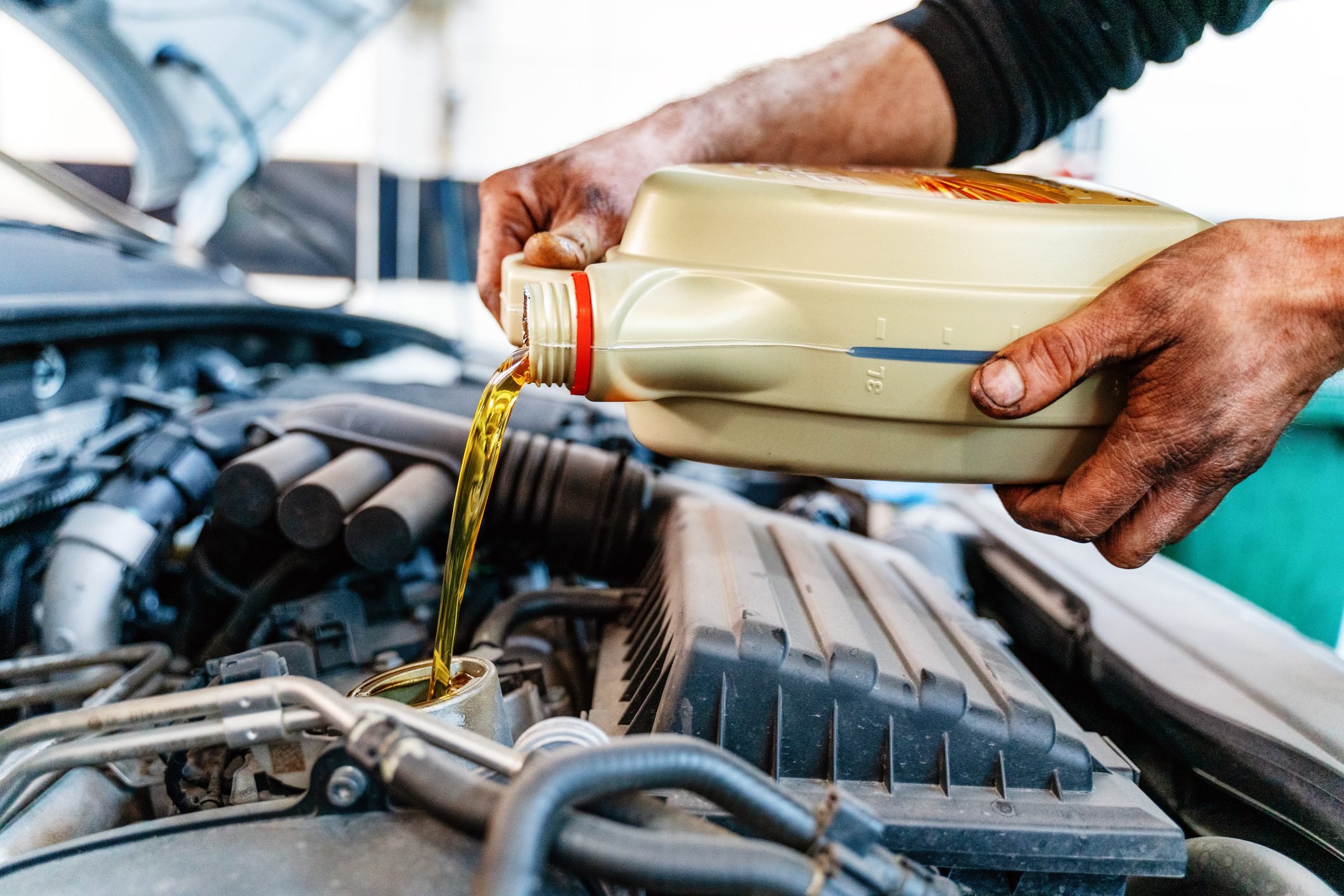
Select oil made for your car’s engine. Use the oil grade recommended in the manual. Synthetic oils last longer than conventional oils. They resist breakdown and keep engines cleaner. Choose oils with proper certifications. Good oil protects against heat and friction better.
Credit: www.familyhandyman.com
Frequently Asked Questions
How Long Can A Car Run Without An Oil Change?
A car can typically run 5,000 to 7,500 miles without an oil change. However, this depends on driving conditions and oil type. Ignoring oil changes can cause engine damage and reduce performance. Regular maintenance is essential to keep your car running smoothly and efficiently.
What Happens If You Delay An Oil Change Too Long?
Delaying oil changes causes dirty oil to build up, leading to engine wear. It reduces lubrication, increases friction, and may cause overheating. Over time, this damages engine parts and can result in costly repairs. Timely oil changes prevent these issues and extend engine life.
Can Synthetic Oil Extend Oil Change Intervals?
Yes, synthetic oil lasts longer than conventional oil. It can extend oil change intervals up to 10,000 to 15,000 miles. Synthetic oil provides better protection under extreme temperatures and heavy loads. Always check your vehicle’s manual for recommended oil type and change intervals.
How Do Driving Habits Affect Oil Change Frequency?
Frequent short trips, stop-and-go traffic, and extreme temperatures increase oil contamination. These conditions require more frequent oil changes, sometimes every 3,000 to 5,000 miles. Highway driving usually allows longer intervals. Adjust oil change frequency based on your specific driving habits and environment.
Conclusion
Regular oil changes keep your car running smoothly and safely. Skipping oil changes can cause engine damage and costly repairs. Most cars need an oil change every 3,000 to 7,500 miles. Always check your owner’s manual for the best advice.
Clean oil helps your engine last longer and perform better. Don’t wait until you see warning signs. Protect your car by staying on a regular oil change schedule. Your engine will thank you with better fuel efficiency and fewer problems.
Keep your car healthy and save money in the long run.