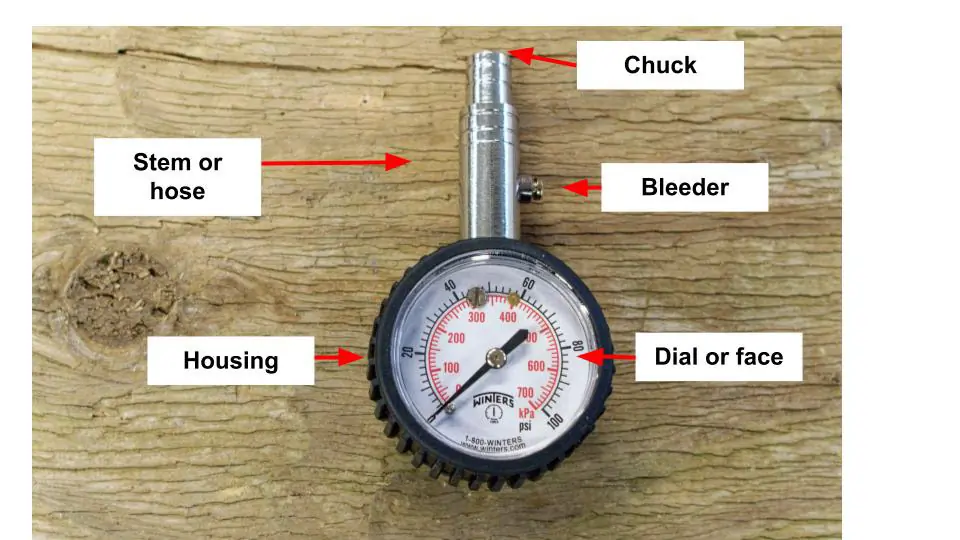
Have you ever wondered how a tire pressure gauge really works and why it’s so important for your safety and car’s performance? Keeping your tires at the right pressure can save you money, improve your ride, and even prevent accidents.
But to do that, you need to understand the tool that measures it—the tire pressure gauge. You’ll discover exactly how this small device gives you accurate readings and why knowing how it works can help you take better care of your vehicle.
Stick with me, and you’ll never look at your tire gauge the same way again.
Credit: simpletire.com
Types Of Tire Pressure Gauges
Choosing the right tire pressure gauge is essential for maintaining your vehicle’s safety and performance. Each type of gauge offers a unique way to measure air pressure, with differences in ease of use, accuracy, and durability. Understanding these types helps you pick one that fits your needs and driving habits.
Analog Gauges
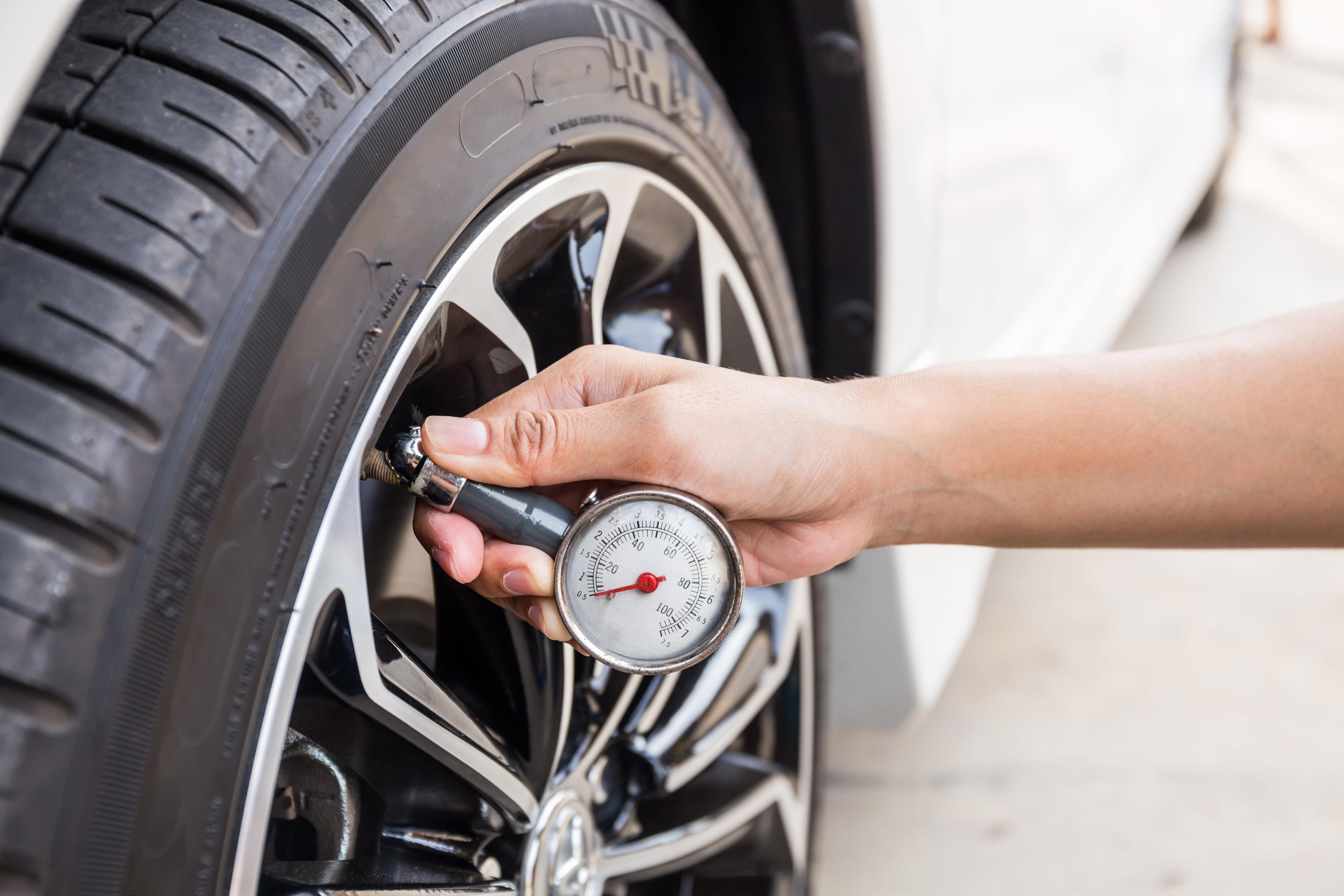
Analog tire pressure gauges use a simple mechanical system to measure pressure. When you press the gauge onto the valve stem, a small piston moves inside, pushing a needle along a scale to show the pressure.
These gauges don’t require batteries, making them reliable for long-term use. I once had an analog gauge that never failed, even after years of rough handling. However, reading the exact pressure may take a moment, especially in low light.
Digital Gauges
Digital gauges provide a quick and clear pressure reading on an electronic display. They use sensors to detect pressure and convert it into a digital number, often with backlighting for easy reading at night.
They are typically more precise and user-friendly, but you need to watch the battery life. I found that a digital gauge saved me time during winter, allowing me to check tire pressure without squinting in the cold.
Dial Gauges
Dial gauges combine the mechanics of analog gauges with a circular dial display. When you measure pressure, a needle points to the exact value on the dial, which is often larger and easier to read than a straight scale.
This type strikes a balance between durability and readability. If you prefer a clear visual without worrying about batteries, dial gauges are a solid choice. They also handle rough conditions well, making them popular among professionals.
Credit: simpletire.com
Measuring Tire Pressure
Measuring tire pressure is essential for vehicle safety and fuel efficiency. The tire pressure gauge helps you check how much air is inside your tires. It gives a clear reading so you can know if the pressure is too low or too high. Understanding how the gauge works can help you keep your tires in good condition.
How Pressure Is Detected
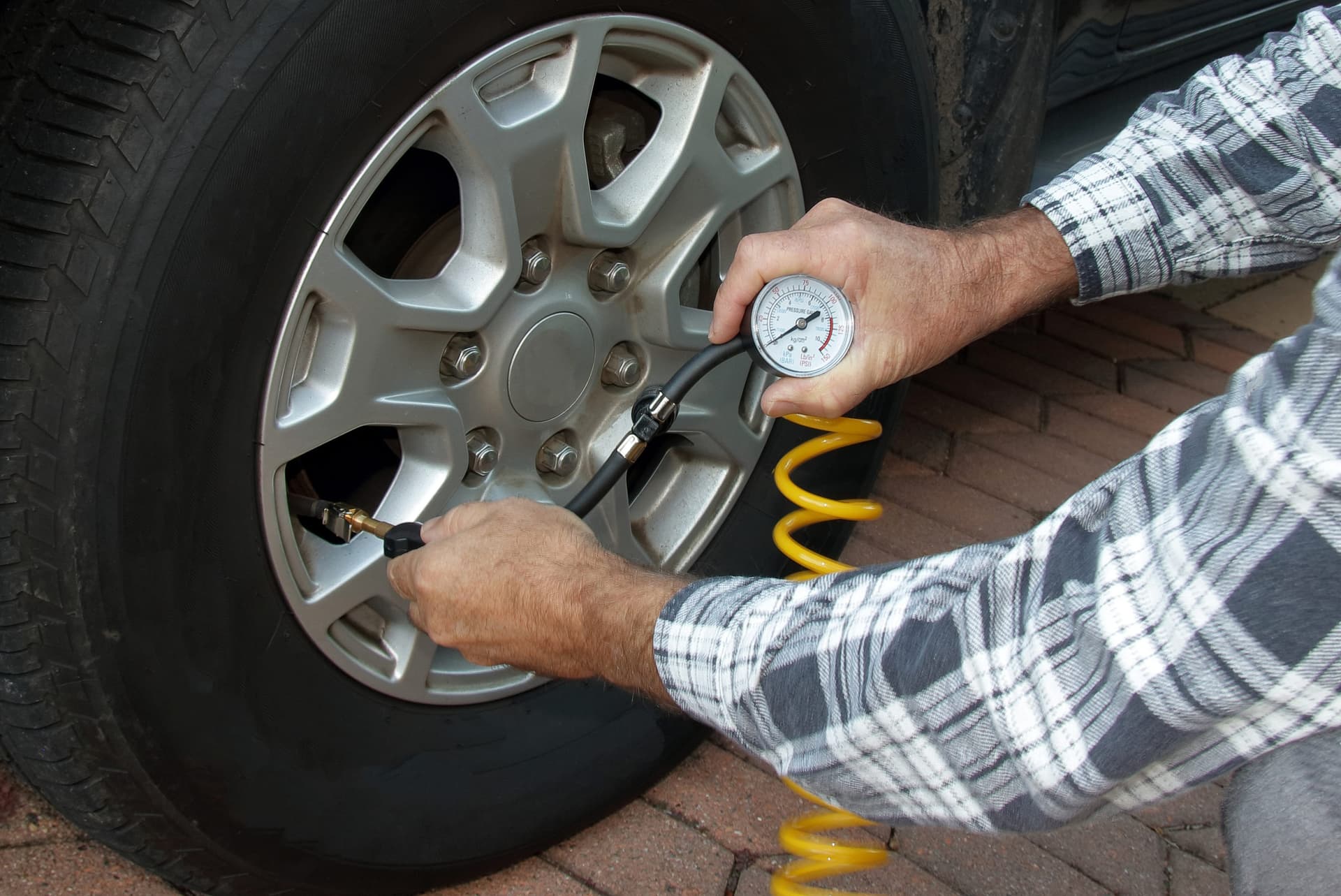
The gauge detects pressure by sensing the air inside the tire. When you press the gauge against the tire valve, air pushes into the device. This air pressure moves a small part inside the gauge. The movement changes based on the air pressure level. This change is what the gauge uses to measure the tire pressure.
Different gauges use different parts to detect pressure:
- Mechanical gauges:Use a small piston or diaphragm that moves with air pressure.
- Digital gauges:Use sensors to measure pressure electronically.
Reading The Gauge
After the pressure is detected, the gauge shows the number. Mechanical gauges display pressure with a needle pointing to numbers on a dial. Digital gauges show the pressure on a small screen. The reading tells you the pressure in pounds per square inch (PSI) or other units.
To get an accurate reading:
- Press the gauge firmly on the valve.
- Hold it steady until the reading stops changing.
- Note the number shown on the gauge.
This number shows the current tire pressure. Compare it with the recommended pressure for your vehicle. Correct tire pressure improves driving safety and tire life.
Factors Affecting Accuracy
Tire pressure gauges provide crucial readings for vehicle safety and efficiency. Their accuracy depends on several factors. Understanding these helps you get correct measurements. Poor accuracy can lead to underinflated or overinflated tires. Both affect driving performance and tire life.
Temperature Influence
Temperature changes affect air pressure inside tires. Cold air causes pressure to drop. Warm air makes pressure rise. This shift affects gauge readings. Measure tire pressure when tires are cold for best accuracy. Avoid checking right after driving. Heat from friction changes the tire’s air pressure. Variations in outdoor temperature also impact results.
Proper Usage Tips
Correct use improves gauge accuracy. Follow these tips:
- Press the gauge firmly on the valve stem.
- Hold steady until the reading stabilizes.
- Check multiple tires for consistent results.
- Use a reliable gauge, regularly calibrated.
- Avoid dropping or damaging the gauge.
- Store the gauge in a clean, dry place.
Handling the gauge carefully ensures dependable readings. Regular checks keep tire pressure optimal. This saves fuel and extends tire life.
Benefits Of Accurate Tire Pressure
Maintaining accurate tire pressure offers several important benefits. It helps your vehicle perform better and keeps you safe on the road. Checking tire pressure often ensures your tires stay in good condition longer. The right pressure also saves money by improving fuel use and reducing wear.
Improved Fuel Efficiency
Proper tire pressure lowers rolling resistance. This means your engine uses less fuel to move the car. Underinflated tires make the engine work harder, wasting fuel. Keeping tires at the correct pressure can boost miles per gallon. This saves money and reduces harmful emissions.
Enhanced Safety
Correct tire pressure improves vehicle handling and braking. Tires with too low or high pressure can cause poor grip. This increases the risk of skidding or accidents. Properly inflated tires respond better to steering inputs. They help keep control on wet or slippery roads.
Extended Tire Life
Tires wear evenly with the right pressure. Underinflated tires wear on the edges, while overinflated ones wear in the center. Uneven wear shortens tire lifespan and leads to costly replacements. Checking pressure regularly helps tires last longer. This reduces the need for frequent tire changes.

Credit: www.youtube.com
Frequently Asked Questions
How Does A Tire Pressure Gauge Measure Pressure?
A tire pressure gauge measures air pressure inside the tire. It senses the force exerted by air on a sensor. This force moves a needle or digital display to show the pressure reading. Accurate pressure helps maintain tire safety and performance.
What Types Of Tire Pressure Gauges Exist?
There are three main types: mechanical, digital, and dial gauges. Mechanical gauges use a spring mechanism. Digital gauges use electronic sensors for precise readings. Dial gauges combine a dial and needle for easy viewing. Each type suits different user preferences.
Why Is Accurate Tire Pressure Important?
Accurate tire pressure ensures safe driving and fuel efficiency. Proper pressure improves tire lifespan and vehicle handling. Under or over-inflated tires increase wear and risk accidents. Regular pressure checks prevent costly repairs and enhance safety.
How Often Should I Check Tire Pressure?
Check your tire pressure at least once a month. Also, check before long trips or when carrying heavy loads. Temperature changes can affect pressure, so regular checks are vital. Use a reliable gauge for best accuracy.
Conclusion
A tire pressure gauge helps keep tires safe and efficient. It shows how much air is inside the tire. Using it often can prevent flat tires and improve gas mileage. It is easy to use and gives quick results. Knowing your tire pressure helps your vehicle run better.
Check your tires regularly for a smoother and safer ride. Simple tool, big difference. Keep your tires in good shape with a pressure gauge.