
If you work with cars, knowing how to operate a car lift safely and efficiently is a must. Imagine being able to raise a vehicle with ease, giving you full access underneath without any strain.
This skill can save you time, prevent accidents, and make your job much smoother. You’ll discover simple, clear steps to use a car lift like a pro. Whether you’re new to it or just want to improve your technique, you’ll find practical tips that anyone can follow.
Ready to boost your confidence and work smarter? Let’s get started.

Credit: www.youtube.com
Types Of Car Lifts
Car lifts come in various types designed for different tasks and spaces. Each type offers unique features that help in lifting vehicles safely and efficiently. Understanding these types helps users choose the right lift for their needs.
Two-post Lifts
Two-post lifts have two strong posts with arms that lift the vehicle by its frame. They save floor space and allow easy access to the vehicle’s underside. These lifts work well for most cars and light trucks.
Four-post Lifts
Four-post lifts use four posts and a platform for the vehicle to drive onto. They provide extra stability and are good for storage and long-term lifting. These lifts suit heavier vehicles and offer easy drive-on access.
Scissor Lifts
Scissor lifts use crossed supports that open and close like scissors to raise the vehicle. They are compact and fit in small garages or shops. These lifts work best for quick repairs and maintenance tasks.
In-ground Lifts
In-ground lifts are installed below the floor level and lift vehicles from the ground up. They offer a clean look and free up workshop space. These lifts require professional installation and are ideal for busy shops.
Preparing The Lift
Preparing the car lift is essential for safe and smooth operation. Careful attention to each step ensures the lift works properly and protects both the vehicle and the user. Start by making sure the lift and the vehicle are ready. This preparation prevents accidents and equipment damage.
Inspecting The Equipment
Check the lift for any visible damage or wear. Look at cables, hydraulic lines, and moving parts. Make sure all bolts and fasteners are tight. Test the controls before lifting. Report any issues immediately to avoid hazards.
Positioning The Vehicle
Drive the vehicle slowly onto the lift platform. Center it carefully to balance the weight evenly. Align the wheels with the lift pads. Ensure the car is stable and not touching any parts of the lift frame. Use wheel chocks if needed for extra security.
Checking Weight Limits
Know the maximum weight your lift can handle. Check the vehicle’s weight in the owner’s manual or on the door sticker. Never exceed the lift’s rated capacity. Overloading can cause serious accidents and damage. Confirm the lift’s weight limit is clearly marked and easy to read.
Operating The Lift Safely
Operating a car lift safely is essential to protect yourself and your vehicle. It requires attention to detail and a clear understanding of the lift’s controls and mechanics. Taking safety seriously can prevent accidents and damage, making your work smoother and more efficient.
Engaging The Lift Controls
Before you start, always check that the lift controls are clean and functioning properly. Ensure the area around the controls is free from obstructions. Use the control buttons gently—pressing too hard or too fast can cause the lift to jerk unexpectedly.
Focus on smooth, deliberate movements when raising or lowering the vehicle. If you’re unsure about a control’s response, stop and reassess rather than forcing the lift. Have you ever tried rushing a task and ended up causing more trouble? Operating controls patiently helps avoid such scenarios.
Monitoring Stability
Keep an eye on how the vehicle sits as it rises. The car should remain balanced on the lift’s arms or pads without any tilting. If you notice any wobbling or unevenness, stop immediately and readjust the lift points.
Regularly inspect the lift pads to ensure they’re properly positioned under the vehicle’s recommended lifting points. Your safety depends on the car’s stability, so don’t ignore any signs of imbalance. How often do you check your tools before starting a job?
Avoiding Common Mistakes
- Never exceed the lift’s maximum weight capacity. Overloading can cause catastrophic failure.
- Do not work under the vehicle unless it’s fully supported and locked in place.
- Keep the lift area clear of unnecessary tools and debris to prevent tripping hazards.
- Always lower the lift slowly and steadily to avoid sudden drops.
Ignoring these points can lead to serious injury or costly damage. Have you encountered any of these mistakes before? Taking time to double-check can save you a lot of trouble down the road.
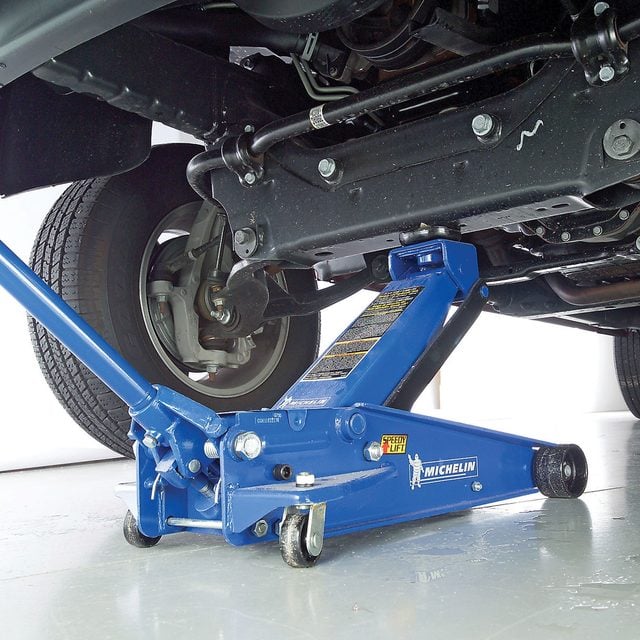
Credit: www.familyhandyman.com
Maintenance And Troubleshooting
Maintaining your car lift is essential to keep it running smoothly and safely. Regular maintenance helps you catch small issues before they turn into costly repairs. Troubleshooting common problems yourself can save time and frustration, but knowing when to get professional help is just as important.
Regular Cleaning And Lubrication
Dust and grime can quickly build up on your car lift, especially around moving parts. Cleaning the lift regularly prevents dirt from causing mechanical issues or rust. Use a soft cloth and mild cleaner to wipe down surfaces and avoid harsh chemicals that might damage the finish.
Lubricate all the joints, pulleys, and cables with the appropriate oil or grease. This reduces friction and wear, extending the life of your lift. Remember, a well-lubricated lift operates more quietly and efficiently.
Identifying Wear And Tear
Keep an eye out for signs of wear such as frayed cables, cracked welds, or bent components. These can compromise the safety and function of your lift. Regularly inspect hydraulic lines for leaks or bulges, which indicate potential failure.
Notice if the lift is slower than usual or making unusual noises during operation. These are red flags that something needs attention. Have you ever ignored a small noise, only to face a bigger problem later? Catching issues early saves headaches.
Basic Repairs And When To Call A Professional
You can handle simple fixes like tightening bolts, replacing fuses, or adjusting cables on your own. These tasks don’t require special tools or technical knowledge. Always refer to your lift’s manual to avoid mistakes.
However, if you find hydraulic leaks, severe structural damage, or electrical malfunctions, it’s time to call a professional. Attempting complex repairs without experience can be dangerous. Prioritize safety and don’t hesitate to get expert help when needed.

Credit: device.report
Frequently Asked Questions
How Do You Safely Operate A Car Lift?
Always read the manual before use. Check for damages and clear the area. Position the car correctly and secure it. Use the controls smoothly and never exceed weight limits. Always lower the lift slowly and maintain regular inspections for safety.
What Are Common Car Lift Types?
Common car lifts include two-post, four-post, scissor, and portable lifts. Two-post lifts are popular for garages due to space efficiency. Four-post lifts are great for storage and repairs. Scissor lifts save floor space. Choose based on your needs and vehicle type.
How Often Should A Car Lift Be Inspected?
Inspect your car lift monthly for safety. Check hydraulic fluid levels, bolts, cables, and safety locks. Annual professional inspections are recommended to ensure compliance with safety standards. Regular maintenance extends lift life and prevents accidents.
Can I Operate A Car Lift Alone?
Yes, but take extra caution. Ensure you understand the controls fully and never rush. Always perform safety checks before lifting. Avoid distractions and keep the area clear. If unsure, seek help to avoid accidents or damage.
Conclusion
Operating a car lift safely takes practice and care. Always check the lift’s condition before use. Follow the instructions step-by-step for best results. Keep your workspace clean and organized. Never rush or skip safety checks. Regular maintenance helps the lift work well longer.
With patience, you can handle the lift confidently. Stay alert and focused during every operation. This helps protect you and your vehicle. Using a car lift properly makes tasks easier and safer.