
When was the last time you checked your car’s brake fluid? You might not think about it often, but brake fluid plays a crucial role in keeping your vehicle safe on the road.
Too little brake fluid can lead to brake failure, while too much can cause leaks and damage. So, how much brake fluid does your car really need? Knowing the right amount can save you money, prevent accidents, and keep your brakes working smoothly.
Keep reading to find out everything you need to know about brake fluid levels and maintenance.
Credit: www.slashgear.com
Brake Fluid Basics
Understanding the basics of brake fluid is essential for anyone who wants to maintain their car’s braking system effectively. Brake fluid isn’t just a liquid; it’s a crucial component that ensures your brakes respond instantly and safely. Knowing what type of brake fluid your car needs and how it works can save you from costly repairs and improve your driving safety.
Types Of Brake Fluid
Not all brake fluids are the same. There are several types, each with specific properties suited for different vehicles and driving conditions.
- DOT 3:Common in many passenger cars, it absorbs moisture easily and needs regular changes.
- DOT 4:Has a higher boiling point than DOT 3, making it better for more demanding braking situations.
- DOT 5:Silicone-based and does not absorb moisture, but it’s not compatible with most standard brake systems.
- DOT 5.1:Combines the high boiling point of DOT 5 with the moisture absorption of DOT 3 and 4, often used in high-performance vehicles.
Choosing the right brake fluid depends on your car manufacturer’s recommendations. Using the wrong type can cause brake failure or damage the system over time.
How Brake Fluid Works
Brake fluid transfers the force from your foot pressing the brake pedal directly to the brake pads. It acts like a messenger, pushing hydraulic pressure through the brake lines.
Because brake fluid must perform under extreme conditions, it has a high boiling point. If the fluid boils, you could lose braking power—a dangerous situation you want to avoid.
Have you ever felt your brake pedal go soft after heavy braking? That’s usually a sign of overheating brake fluid or air in the lines. Regularly checking and replacing brake fluid helps keep your brakes sharp and responsive.
Recommended Fluid Amounts
Knowing the recommended amount of brake fluid your car needs is key to maintaining safe and effective braking. Too little fluid can cause the brakes to fail, while too much can lead to leaks or pressure issues. Let’s look at how to determine the right levels to keep your vehicle running smoothly.
Manufacturer Specifications
Your car’s manufacturer provides the most accurate information about the brake fluid capacity. This data can usually be found in your owner’s manual or on the manufacturer’s website. Following these specs ensures you don’t overfill or underfill your brake system.
Brake fluid reservoirs typically hold between 200 to 500 milliliters (about 7 to 17 ounces), but this varies widely by make and model. Some vehicles require specific types of brake fluid like DOT 3, DOT 4, or DOT 5.1, and each type might have different recommended fill levels.
Have you checked your manual lately? It’s easy to overlook this simple step, yet it prevents costly mistakes and keeps your brakes functioning properly.
Factors Affecting Fluid Levels
Brake fluid levels don’t stay constant. Wear and tear on brake pads causes the fluid level to drop gradually as the calipers extend. So, a lower fluid level could mean it’s time to replace your brake pads, not just add more fluid.
Leaks in the brake lines or master cylinder also reduce fluid levels and pose serious safety risks. If you notice frequent drops in fluid, inspect for leaks immediately.
Temperature changes can affect fluid volume too. In cold climates, brake fluid contracts, and in hot conditions, it expands. Always check your fluid level when the car is cool to get an accurate reading.
How often do you check your brake fluid? Regular monitoring can help you catch issues before they become dangerous problems.
Maintenance Tips
Proper brake fluid maintenance keeps your car safe and responsive. It prevents brake failure and costly repairs. Regular checks and timely replacements ensure the brake system works well. Simple habits protect your vehicle and yourself on the road.
Checking Fluid Levels
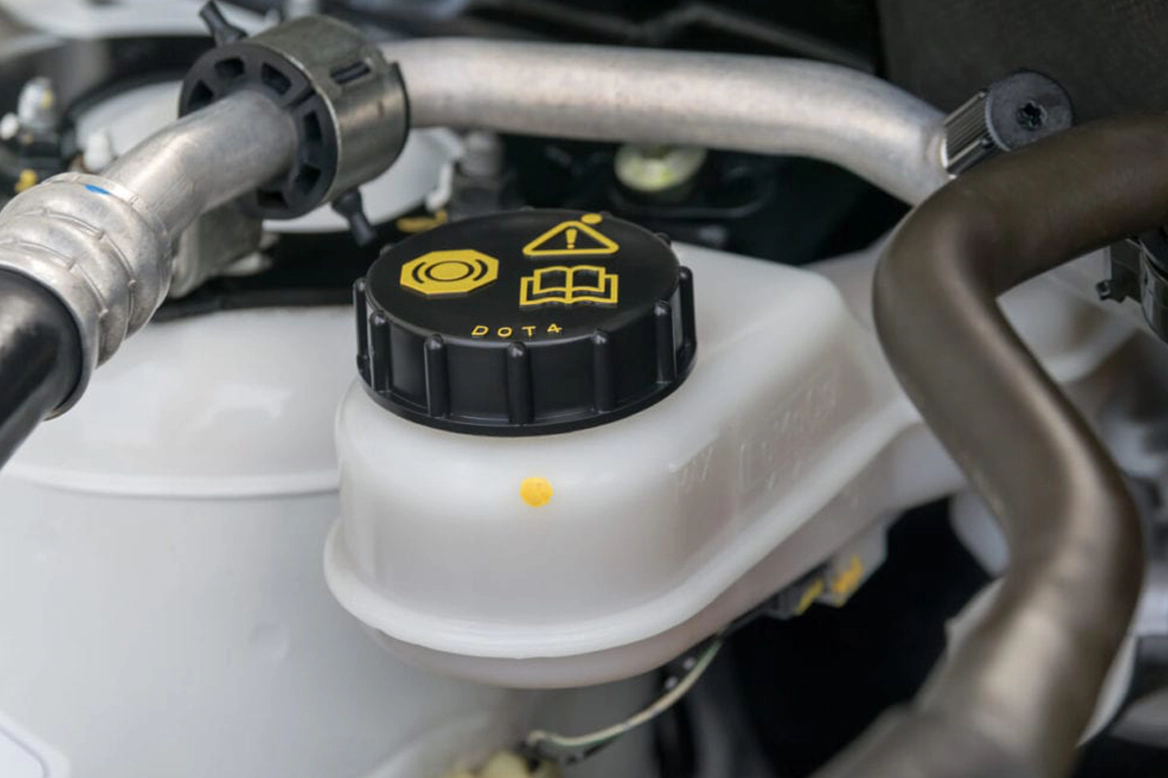
Locate the brake fluid reservoir under the hood. The container is usually clear with level markings. Check the fluid level when the car is on a flat surface. The fluid should be between the “MIN” and “MAX” marks. Low fluid may signal leaks or worn brake pads. Use a clean cloth to wipe the cap before opening. Avoid overfilling as it can cause damage.
When To Replace Brake Fluid
Brake fluid absorbs moisture over time, reducing its effectiveness. Replace it every 2 years or 24,000 miles, whichever comes first. Some car models may require more frequent changes; check your manual. Dark or cloudy fluid signals the need for replacement. Use the exact type of brake fluid recommended by the manufacturer. Fresh fluid improves brake response and prevents corrosion inside the system.

Credit: fergies.co.uk
Credit: www.sunautoservice.com
Frequently Asked Questions
How Much Brake Fluid Does A Car Typically Need?
A car usually requires about 0. 5 to 1 liter of brake fluid. This amount varies by vehicle model and brake system size. Always check your owner’s manual for the exact specification. Overfilling can cause brake issues, so precise measurement is important.
When Should I Check My Car’s Brake Fluid Level?
Check brake fluid levels every 3,000 to 5,000 miles or during oil changes. Also, inspect if you notice spongy brakes or warning lights. Regular checks prevent brake failure and ensure safe driving.
Can I Use Any Brake Fluid For My Car?
No, always use the brake fluid type recommended by the manufacturer. Common types include DOT 3, DOT 4, or DOT 5. 1. Using the wrong fluid can damage the brake system and reduce performance.
How Often Should Brake Fluid Be Replaced?
Brake fluid should be replaced every 2 years or 30,000 miles. This prevents moisture buildup and corrosion inside the brake system. Follow your vehicle’s maintenance schedule for the best results.
Conclusion
Brake fluid keeps your car’s brakes working well and safe. Most cars need about half a liter of brake fluid. Checking the fluid level often helps avoid brake problems. Always use the right type of brake fluid for your vehicle.
Keep the brake fluid clean and change it as the manual says. Proper brake fluid care helps your car stop smoothly every time. Don’t ignore brake fluid; it’s key for safe driving. Regular checks save you money and keep you safe on the road.
Simple steps make a big difference.