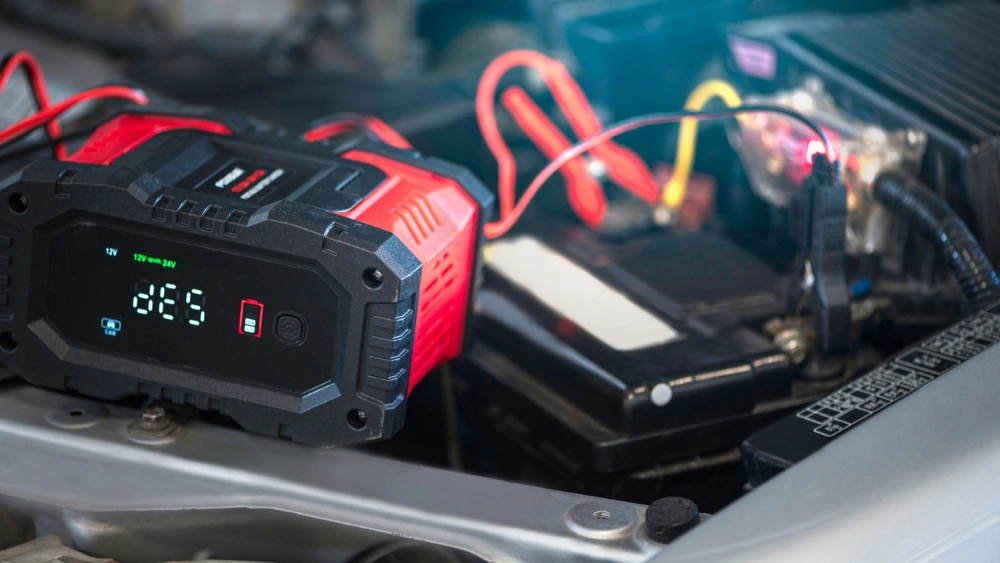
Are you wondering if car battery chargers work for every vehicle? You might have a charger at home, but does it fit your car’s needs?
Choosing the right charger can save you time, money, and frustration. You’ll discover whether car battery chargers are truly universal and what you need to know before plugging in. Keep reading to make sure you never get stuck with a dead battery again.
Credit: www.amazon.com
Types Of Car Battery Chargers
Car battery chargers come in different types. Each type serves a specific purpose and suits various needs. Understanding these types helps you pick the right charger for your vehicle.
Standard Chargers
Standard chargers deliver a steady current to the battery. They charge batteries slowly and are simple to use. These chargers work well for regular battery maintenance. They require monitoring to avoid overcharging. Ideal for those who want a basic and affordable option.
Smart Chargers
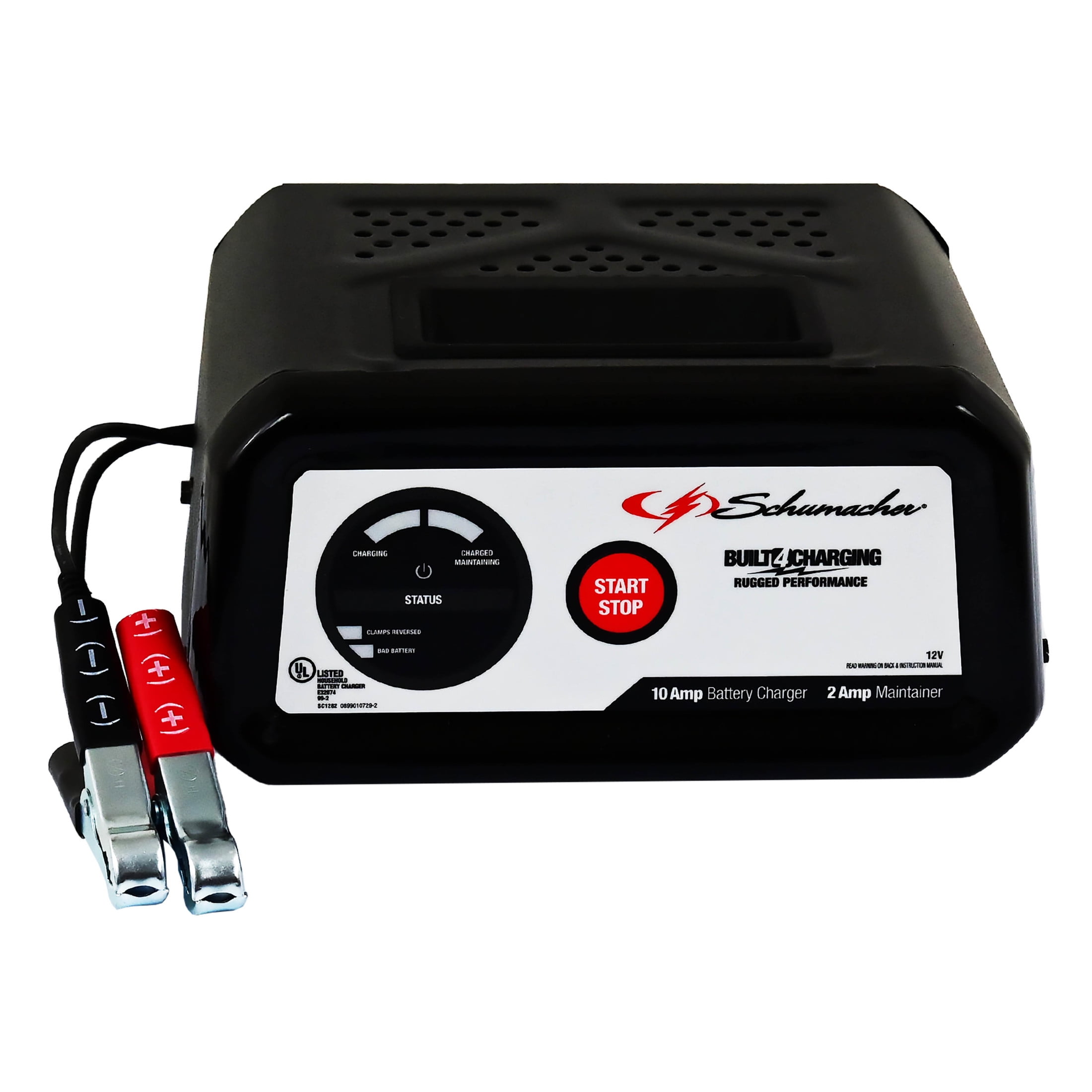
Smart chargers use advanced technology to control charging. They adjust the current based on battery condition. These chargers prevent overcharging and extend battery life. Easy to use with automatic shut-off features. Great choice for those who want safe and efficient charging.
Trickle Chargers
Trickle chargers provide a low, continuous charge. They keep batteries topped up over long periods. Perfect for vehicles not used daily, like classic cars. These chargers prevent battery drain without damaging the battery. Best for maintaining battery health during storage.
Common Myths About Universal Chargers
Many people believe universal car battery chargers are foolproof tools that work perfectly with every battery type. This assumption often leads to misuse and even damage. Let’s clear up some common myths that might be steering you wrong when choosing or using a universal charger.
One Charger Fits All
It’s tempting to think one charger can handle every battery out there. But batteries come in different sizes, voltages, and chemistries like lead-acid, AGM, or lithium-ion. Using a charger not designed for your battery type can cause poor charging or worse, permanent damage.
I once used a generic charger on a deep-cycle battery, hoping it would do the job. The battery got overheated and lost capacity quickly. This taught me that matching your charger to your battery’s specifications isn’t optional—it’s essential.
No Need To Check Battery Type
Some believe universal chargers automatically detect and adjust to any battery type. While many modern chargers have smart features, not all do. Relying solely on a charger’s “universal” label without verifying your battery’s requirements is risky.
Ask yourself: Have you checked your battery’s manual or label before plugging in the charger? Skipping this step can lead to undercharging or overcharging, shortening your battery’s lifespan.
Universal Chargers Are Always Safe
Safety is a major concern when dealing with car batteries. Many assume universal chargers have built-in protections for every scenario. In reality, safety features vary widely among models and brands.
Some chargers lack protections against overcharging, reverse polarity, or short circuits. Using one without these safeguards can cause sparks, fires, or battery explosions. Always confirm the charger includes safety features suitable for your specific battery and follow the instructions carefully.
Key Differences In Battery Compatibility
Understanding the key differences in battery compatibility is crucial when choosing a car battery charger. Not all chargers work with every type of battery, and using the wrong one can damage your battery or charger. Let’s break down the main factors that affect compatibility so you can pick the right charger for your vehicle.
Voltage And Amperage Requirements
Every car battery has a specific voltage, commonly 12V for most vehicles. Your charger must match this voltage exactly to avoid overcharging or undercharging. Using a 6V charger on a 12V battery can cause serious damage.
Amperage, or the charging current, also plays a big role. Chargers with higher amperage charge batteries faster, but can be risky for smaller batteries. A slow, steady charge is often safer and better for battery health.
Battery Chemistry Considerations
Different types of batteries use different chemical compositions. Lead-acid, AGM (Absorbent Glass Mat), gel, and lithium-ion batteries all have unique charging needs.
For example, lithium-ion batteries require chargers with precise voltage control to avoid overheating. Lead-acid chargers often have a bulk, absorption, and float stage to optimize charging. Using a charger not designed for your battery’s chemistry can reduce battery life or cause failure.
Connector Types And Sizes
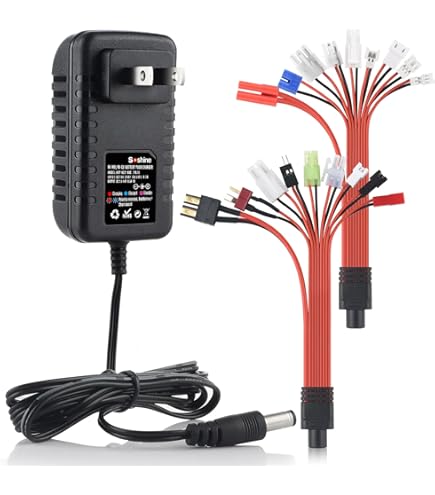
Connectors are the physical link between your charger and battery. They come in various shapes and sizes to fit different battery terminals.
Common types include alligator clips, ring terminals, and quick-connect plugs. Using the wrong connector can lead to poor contact or even sparks, which are dangerous.
Always check your battery’s terminal type and ensure your charger’s connectors match. Have you ever struggled with loose connections or incorrect plugs? Choosing the right connector saves time and frustration.
Credit: www.walmart.com
Choosing The Right Charger For Your Battery
Choosing the right charger for your car battery is essential to keep it in good shape and ensure reliable performance. Not all chargers work well with every battery type, so understanding your battery’s needs will save you time and prevent damage. Let’s break down how to pick a charger that fits your battery perfectly and keeps it safe and healthy over time.
Matching Charger To Battery Specs
Your car battery has specific voltage and capacity requirements. Using a charger that doesn’t match these can cause undercharging or overcharging, both of which harm the battery.
Look at your battery’s label for details like voltage (usually 12V) and amp-hour (Ah) rating. Choose a charger that supports this voltage and has adjustable current settings to match the battery’s capacity. For example, a 40Ah battery needs a charger that can provide a steady, controlled current rather than a high, fast charge.
Ask yourself: Have you checked your battery type—lead-acid, AGM, or lithium? Different chemistries need specific charging profiles. Picking a charger designed for your battery’s chemistry improves efficiency and lifespan.
Safety Features To Look For
Safety isn’t just about avoiding sparks; it protects your battery and your vehicle too. Chargers with built-in safety features reduce risks during charging.
- Overcharge protection:Stops charging once the battery is full.
- Reverse polarity protection:Prevents damage if clamps are connected incorrectly.
- Short circuit protection:Cuts power if a fault occurs.
- Temperature sensors:Adjust charging based on battery heat to avoid overheating.
Choosing a charger with these features is like having a safety net—especially if you’re new to charging batteries. Have you ever worried about leaving a charger connected overnight? These protections make that worry unnecessary.
Maintenance And Longevity Tips
Proper charging isn’t just about the moment you connect the charger—it’s about how it affects your battery over months and years. Using the right charger with good habits extends your battery’s life.
Charge your battery regularly, especially if your car sits unused for weeks. A smart charger with automatic float mode keeps the battery topped up without overcharging. This prevents the battery from losing capacity or sulfating.
Keep charger contacts clean and dry to ensure efficient power flow. Also, store your charger in a cool, dry place to protect its electronics.
Have you noticed how a neglected battery dies faster? Proper charging and maintenance can avoid that frustration and save you money on replacements.

Credit: www.amazon.com
Frequently Asked Questions
Are Car Battery Chargers Compatible With All Batteries?
Most car battery chargers work with standard 12-volt batteries. However, compatibility depends on the charger type and battery size. Always check charger specifications for your battery model to ensure safe and effective charging.
Can I Use One Charger For Different Car Batteries?
Some universal chargers support multiple battery types and sizes. Yet, not all chargers fit every battery. Verify your charger’s compatibility with your battery’s voltage and chemistry before use to avoid damage.
Do Universal Chargers Harm Specific Car Batteries?
Using the wrong charger can damage batteries. Universal chargers with smart technology adjust settings to protect various batteries. Always choose chargers with automatic voltage and current control for safety.
How To Choose The Right Car Battery Charger?
Select chargers based on battery voltage, type, and capacity. Look for smart chargers with automatic shutoff and safety features. Reading product reviews and specifications helps find the best charger for your needs.
Conclusion
Car battery chargers are not always universal. Different cars need different chargers. Always check your car’s battery type before buying a charger. Using the wrong charger can cause damage or poor charging. Some chargers work with many batteries, but not all.
Choose a charger that matches your car’s voltage and size. This helps your battery last longer and work better. Remember, a proper charger keeps your car ready to go. Take time to pick the right charger for your needs. Safe and correct charging matters most.