
Are you trying to check if your LED headlights work, but don’t have your car nearby? Testing them on the spot can save you time and hassle before installation.
Imagine avoiding surprises like flickering lights or no glow at all after you’ve already mounted them. You’ll discover simple, practical ways to test your LED headlights without needing a vehicle. Keep reading, and you’ll gain easy-to-follow tips that anyone can use to make sure your lights shine bright and safe.
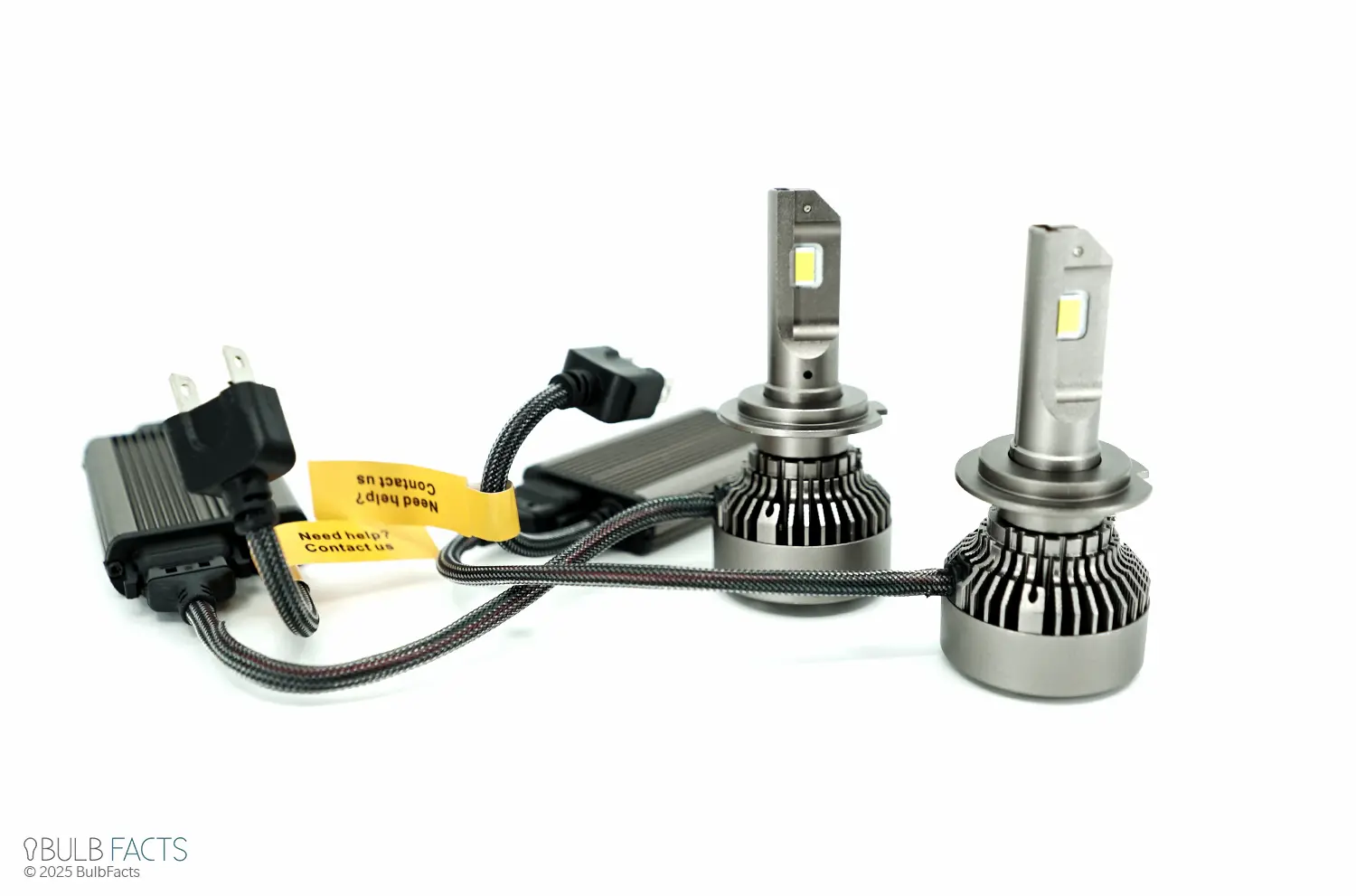
Credit: bulbfacts.com
Tools Needed For Testing Led Headlights
Testing LED headlights without having them installed in a car requires a few specific tools. These tools help you check the functionality and safety of the lights before any installation. Knowing exactly what you need will save you time and avoid any guesswork during testing.
Multimeter
A multimeter is essential for measuring voltage, current, and resistance in your LED headlights. It helps you verify if the LEDs are receiving proper electrical flow and if any internal circuits are damaged.
Look for a digital multimeter with clear readings and multiple functions. This device will also help you test continuity, which is crucial to ensure that no wires are broken inside the LED setup.
Power Supply Options
You need a power source that matches the voltage and current requirements of your LED headlights. A variable DC power supply is ideal because it allows you to adjust the voltage precisely.
If you don’t have a variable supply, a 12V battery or a regulated power adapter can work as well. Just make sure the power supply matches the LED’s specifications to avoid damage.
Safety Gear
Handling electrical components always carries some risk, so safety gear is non-negotiable. Wear insulated gloves to protect your hands from accidental shocks and keep safety glasses on to shield your eyes from sparks or debris.
Having a fire extinguisher nearby is a smart precaution, especially if you’re working with higher voltages. Safety shouldn’t be an afterthought when testing electronics.
Credit: medium.com
Step-by-step Testing Process
Testing LED headlights without a car is simple with the right tools and steps. This process helps check if the LED lights work before installation. Follow these clear steps to ensure the LED headlights are functional and safe to use.
Checking Continuity
Start by testing the continuity of the LED headlight circuit. Use a multimeter set to the continuity mode. Connect the multimeter probes to the LED’s positive and negative terminals. A beep or a reading shows the circuit is complete. No beep means a break or damage inside the LED unit.
Applying Voltage
Next, apply the correct voltage to the LED headlight. Use a DC power supply or a battery with matching voltage. Connect the positive wire to the LED’s positive terminal and the negative wire to the negative terminal. Make sure connections are secure to avoid short circuits. This step powers the LED to check if it lights up.
Observing Light Output
Watch the LED headlight carefully after applying voltage. The light should be bright and steady without flickering. Dull or uneven light means the LED may have issues. No light at all indicates a failure inside the LED. Confirm the light color matches the LED’s specifications for accurate testing.
Troubleshooting Common Issues
Testing LED headlights without a car can be tricky, especially when they don’t work as expected. Understanding common issues helps you fix problems quickly and avoid wasting time or money. Let’s look at some typical problems you might face and how to tackle them effectively.
No Light Emission
If your LED headlight doesn’t emit any light at all, the first thing to check is your power source. Make sure the battery or power supply is fully charged and connected properly. Loose wires or a faulty connector often cause this problem, so inspect every connection carefully.
Sometimes the LED itself might be damaged. You can test this by swapping it with a known working LED or using a multimeter to check for continuity. Have you checked if the polarity is correct? LEDs only work when connected the right way.
Flickering Light
Flickering usually points to an unstable power supply or a loose connection. Check if the wires are secure and if the power source delivers consistent voltage. A weak battery or poor soldering joints can cause flickering too.
Another common cause is interference from other electronic devices or a faulty driver circuit. Try isolating the LED from other electronics to see if the flickering stops. Have you noticed if flickering happens only when moving wires? That could indicate a break in the cable.
Weak Brightness
Weak light output often means the LED isn’t receiving enough power. Verify the voltage and current match the LED’s specifications. Using a power supply with lower output than required can dim the light significantly.
Dust, dirt, or damage on the LED lens can also reduce brightness. Clean the surface gently to restore clarity. Sometimes, the LED itself might be aging or defective, and replacing it is the best solution. Are you using the right type of LED for your headlight needs?
Credit: www.youtube.com
Frequently Asked Questions
How To Test Led Headlights Without A Car?
You can test LED headlights using a 12V power supply or a battery. Connect the positive and negative terminals correctly to avoid damage. This method helps check if the LEDs light up and work properly without installing them in a vehicle.
What Tools Are Needed To Test Led Headlights?
You need a 12V power source, jumper wires, and a multimeter. The power source simulates the car battery. Jumper wires connect the LED terminals. A multimeter helps verify voltage and current for accurate testing results.
Can Led Headlights Be Tested With A Multimeter?
Yes, a multimeter can test LED headlights for continuity and voltage. Set it to the diode or continuity mode. Connect the probes to LED terminals to check if the LED circuit is complete and functional before powering it.
Is It Safe To Test Led Headlights Without A Car?
Yes, testing LED headlights with proper equipment is safe. Use a regulated 12V power supply and avoid reverse polarity connections. Safety precautions prevent damage to the LED and ensure accurate testing results.
Conclusion
Testing LED headlights without a car is simple and useful. You only need a few tools and some basic steps. This method saves time and helps find problems early. It also avoids the hassle of installing the lights first. Anyone can do this at home with little effort.
Try these easy steps to check your headlights today. Keep your lights bright and safe on the road. Testing before use gives you peace of mind and better results.