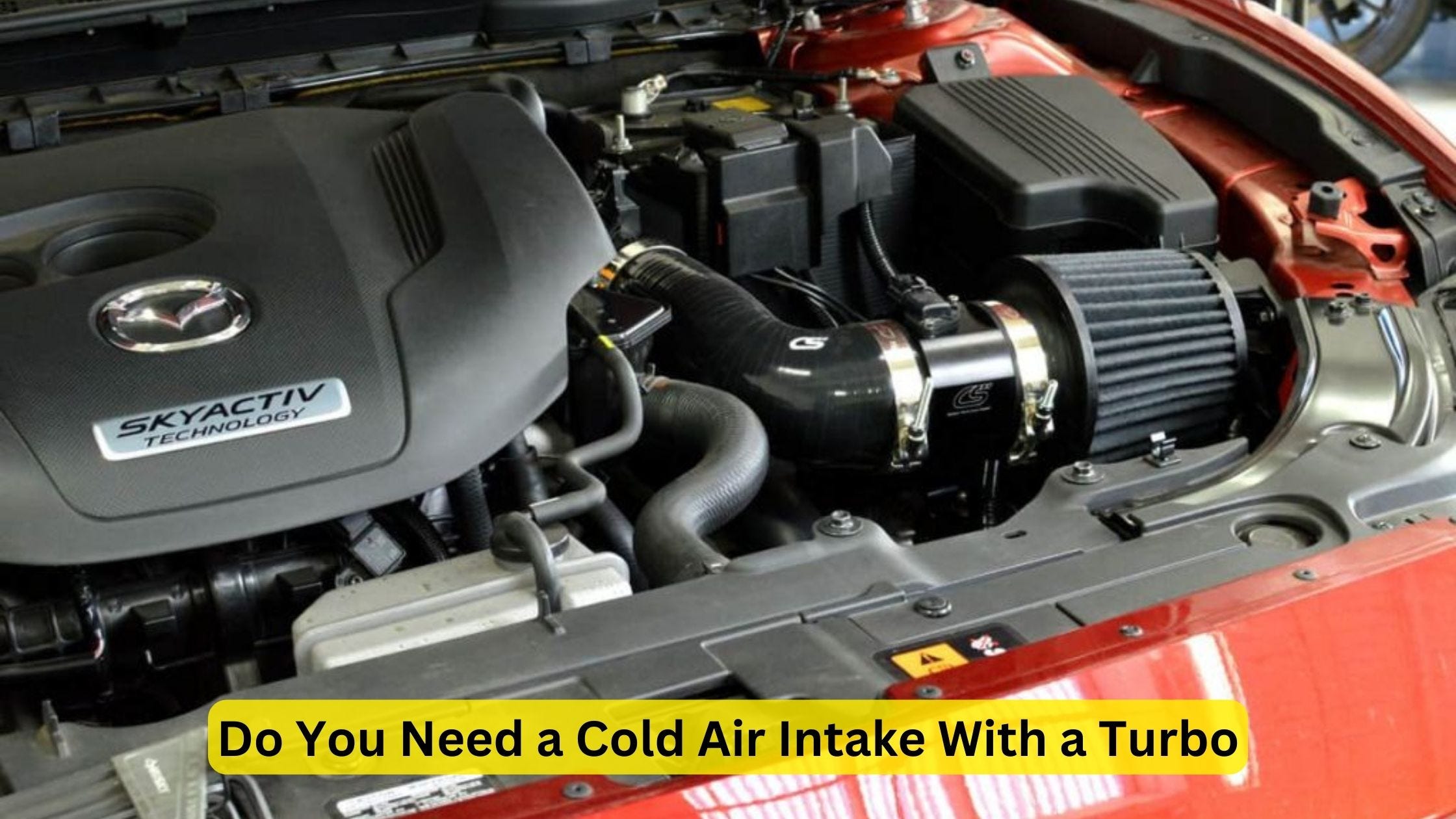
Are you thinking about upgrading your turbo car’s performance? One popular mod you might have heard about is a cold air intake.
But are cold air intakes really good for turbo cars? You want to get the most power and efficiency without risking your engine’s health. This article will help you understand how cold air intakes work with turbocharged engines, what benefits you can expect, and what to watch out for.
Keep reading to find out if this upgrade is right for your ride.

Credit: www.reddit.com
How Cold Air Intakes Work
Understanding how cold air intakes work is key to deciding if they’re a good fit for your turbocharged car. These systems aim to improve engine performance by altering the temperature and flow of the air entering your engine. Knowing the science behind them helps you see their real benefits and limitations.
Airflow And Temperature Effects
Cold air intakes bring cooler air into the engine compared to stock systems. Cooler air is denser, meaning it contains more oxygen molecules in the same volume. This extra oxygen can help your turbo car produce more power because the engine burns fuel more efficiently.
But it’s not just about temperature. The design of the intake also affects how smoothly air flows into the engine. Less restriction means the turbocharger can spool faster, improving throttle response. Have you noticed any lag in your turbo? A better airflow path might reduce that delay.
Components Of A Cold Air Intake System
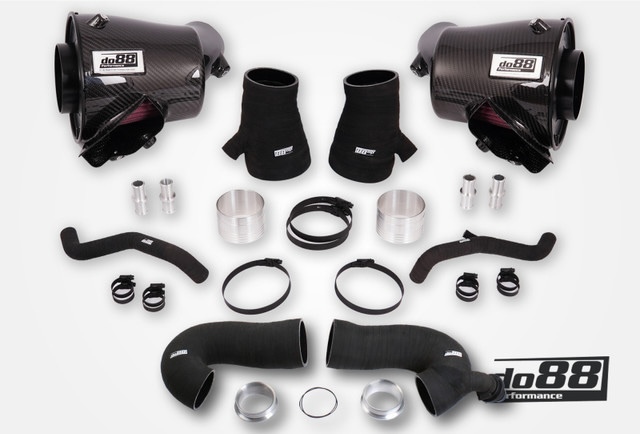
A typical cold air intake has a few essential parts working together:
- Intake Tube:Usually made of metal or plastic, this tube channels air from outside the engine bay to the turbo.
- Air Filter:Positioned at the intake opening, it cleans the air while allowing maximum flow. Many aftermarket filters use cotton or foam for better airflow.
- Heat Shield or Airbox:This part isolates the intake from hot engine air, ensuring the air remains cool as it enters the turbo.
Each component plays a role in maintaining cooler, cleaner air with less resistance. Have you checked if your current intake setup has a proper heat shield? You might be losing performance without even realizing it.
Credit: eurosporttuning.com
Benefits For Turbocharged Engines
Cold air intakes offer several benefits for turbocharged engines. They help the engine breathe better by bringing in cooler air. Cooler air is denser and contains more oxygen. This improves combustion, which boosts performance and efficiency. Turbo engines rely on air intake quality to maximize power and response. Installing a cold air intake can enhance these key areas.
Improved Throttle Response
A cold air intake reduces air resistance. This means air reaches the turbo faster and more smoothly. The engine reacts quicker to throttle inputs. Drivers notice a sharper, more immediate response. This makes the car feel more lively and fun to drive. Quick throttle response is crucial in turbo cars to avoid lag. A cold air intake helps cut down that delay.
Enhanced Turbo Efficiency
Turbochargers work best with cool, dense air. Cold air intakes supply this type of air consistently. Cooler air lowers the turbo’s intake temperature. This reduces the risk of heat soak and power loss. More oxygen-rich air allows the turbo to generate more boost pressure. The result is stronger, more efficient turbo performance. Overall engine power and fuel efficiency often improve with this upgrade.
Potential Drawbacks And Considerations
Cold air intakes can boost turbo car performance but come with some drawbacks. Understanding these helps avoid problems and keep the car running well.
Some issues may affect engine efficiency and reliability. Proper installation and care also matter a lot for best results.
Possible Heat Soak Issues
Heat soak happens when the intake draws warm air instead of cold air. This reduces power because the turbo works less efficiently.
Heat soak occurs if the intake sits too close to the engine or hot parts. Engine bay heat can easily raise air temperature.
Using heat shields or placing the intake in a cooler area helps reduce heat soak. Some designs include insulated tubes or special filters.
Installation And Maintenance Tips
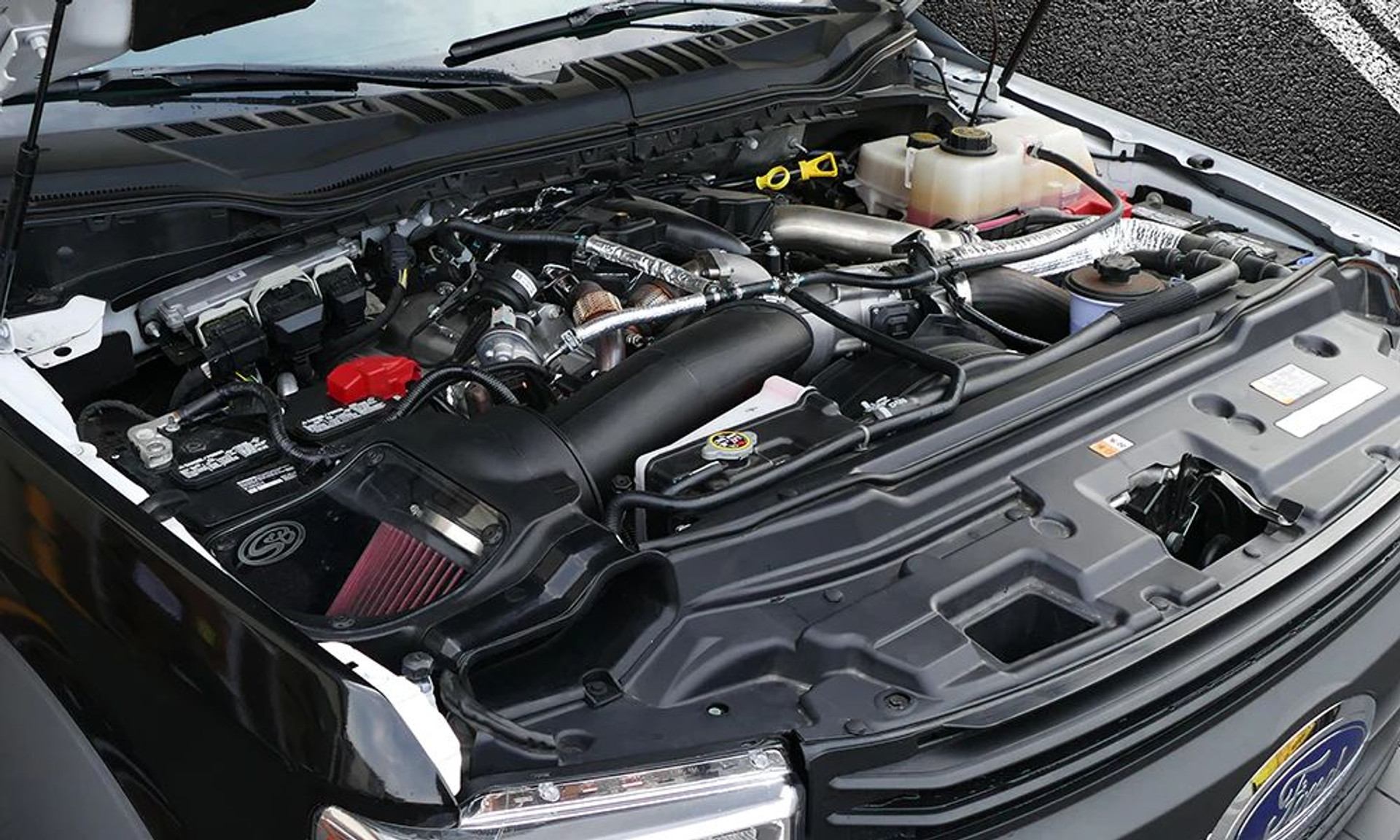
- Install the intake away from engine heat sources to keep air cool.
- Secure all clamps and connections tightly to avoid air leaks.
- Clean or replace the air filter regularly for best airflow.
- Check for cracks or damage to the intake pipe and parts.
- Follow the manufacturer’s instructions to ensure proper setup.
Credit: blessedperformance.com
Frequently Asked Questions
What Are The Benefits Of Cold Air Intakes For Turbo Cars?
Cold air intakes improve airflow and increase oxygen supply to the engine. This boosts turbo efficiency and overall power output. They also enhance throttle response and can improve fuel efficiency slightly by allowing better combustion.
Do Cold Air Intakes Affect Turbo Lag?
Yes, cold air intakes can reduce turbo lag by providing denser air faster. This helps the turbo spool up more quickly, improving acceleration and responsiveness in turbocharged engines.
Can Cold Air Intakes Cause Issues In Turbocharged Engines?
If improperly installed or of low quality, cold air intakes may cause unfiltered air or heat soak. This can reduce performance and damage the turbo. Proper fitment and quality filters are essential to avoid problems.
How Much Horsepower Gain Does A Cold Air Intake Provide?
Cold air intakes typically add 5 to 15 horsepower in turbo cars. Actual gains vary by vehicle and intake design but generally provide noticeable performance improvements without major modifications.
Conclusion
Cold air intakes can help turbo cars breathe better. They bring cooler air, which may boost engine power. But results depend on the car and setup. Some cars see small gains, others more. Proper installation matters to avoid issues. Maintenance also keeps performance steady over time.
Consider your car’s needs before making changes. A cold air intake might improve driving fun. Yet, it’s not a fix for all problems. Test and see if it fits your car’s style. Simple upgrades can make a difference. Choose wisely for the best results.