
Are you ready to improve your car’s performance and sound with a new exhaust system? Installing an exhaust system on your car might seem tricky, but with the right steps, you can do it yourself and save money.
Imagine the power boost and the rumble your car will have once you finish this simple upgrade. In this guide, you’ll find clear, easy-to-follow instructions that make the process smooth and stress-free. Keep reading, and by the end, you’ll know exactly how to install an exhaust system and enjoy a better driving experience.
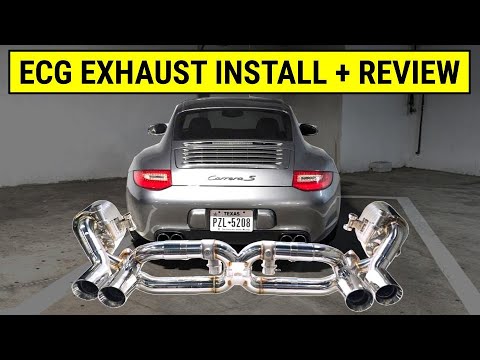
Credit: www.youtube.com
Preparing The Car And Tools
Preparing your car and tools properly is key to a smooth exhaust system installation. Taking time to organize everything helps avoid delays and mistakes. It also keeps you safe during the process.
Get the workspace ready and gather all the necessary equipment before starting. Check the car carefully to ensure it is stable and secure. This preparation makes the job easier and more efficient.
Gathering Necessary Tools
Collect all tools needed for the installation. Common tools include:
- Socket set and wrenches
- Jack and jack stands
- Penetrating oil for rusty bolts
- Rubber mallet or hammer
- Screwdrivers
- Safety glasses and gloves
Having these items ready saves time. Check each tool for damage before use.
Ensuring Safety Measures
Wear safety gear such as gloves and goggles. Protect your eyes and hands from debris and sharp edges.
Work in a well-ventilated area. Avoid inhaling fumes from the exhaust or chemicals.
Keep a fire extinguisher nearby. It is important to be prepared for emergencies.
Lifting And Securing The Vehicle
Use a reliable jack to lift the car. Position it under a sturdy frame point.
Place jack stands under the car for support. Never rely on the jack alone.
Double-check the vehicle’s stability before crawling underneath. Give the car a gentle shake to confirm it is secure.

Credit: www.youtube.com
Removing The Old Exhaust System
Removing the old exhaust system is the first major task. It requires care and patience. The goal is to detach the old parts without damaging the car. This step prepares the vehicle for the new exhaust installation. Proper removal makes the next steps easier and safer.
Locating Exhaust Components
Start by identifying the exhaust parts under the car. Look for the muffler, catalytic converter, and pipes. Use a flashlight to see clearly. Trace the exhaust from the engine to the tailpipe. Knowing each part helps with safe removal.
Unbolting And Detaching Pipes
Use a wrench to loosen bolts connecting the pipes. Work slowly to avoid stripping the nuts. Some bolts connect flanges; others hold hangers. Remove clamps carefully to free the pipes. Support the exhaust parts as you detach them to prevent drops.
Handling Rust And Stuck Parts
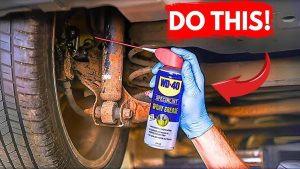
Rust often makes bolts hard to remove. Spray penetrating oil on rusty parts and wait a few minutes. Tap gently with a hammer to loosen stuck bolts. Use a breaker bar for extra leverage if needed. Avoid forcing parts to prevent damage.
Installing The New Exhaust System
Installing the new exhaust system is a key part of improving your car’s performance and sound. This process requires care to ensure each part fits correctly and works well. Proper installation prevents leaks and ensures the system lasts longer.
Take your time to place each component carefully. Align parts so they match the car’s original exhaust path. This alignment helps avoid stress on pipes and joints, which can cause damage over time.
Positioning New Components
Start by laying out all parts on a clean surface. Match each piece to the old exhaust system’s position under the car. Use the hangers and brackets to hold parts in place temporarily. Check that pipes line up with the engine and muffler connections.
Make small adjustments to avoid bends or twists. Ensure pipes have enough clearance from the car body and moving parts. This prevents rattling and heat damage.
Securing With Clamps And Bolts
Once parts align properly, secure them using clamps and bolts. Tighten clamps evenly to avoid leaks. Use a torque wrench if available to reach the right tightness. Avoid over-tightening, which can crack pipes or damage threads.
Attach bolts firmly at flange joints and hangers. Double-check all fasteners for tightness before moving on. This step ensures the system stays stable during driving.
Checking For Leaks And Proper Fit
After installation, check the exhaust for leaks. Start the engine and listen for unusual sounds near joints and clamps. Feel for escaping air with your hand, but stay clear of hot parts.
Inspect the system’s fit under the car. Look for any sagging or contact with other parts. Fix any issues by adjusting clamps or repositioning hangers. Proper fit improves performance and prevents damage.

Credit: www.youtube.com
Frequently Asked Questions
What Tools Are Needed To Install A Car Exhaust System?
You need wrenches, sockets, a jack, safety glasses, and gloves. A penetrating lubricant helps loosen old bolts. Having a torque wrench ensures proper tightness of new parts.
How Long Does It Take To Install An Exhaust System?
Installing an exhaust system typically takes 1 to 3 hours. Time varies based on car model and experience level. Proper preparation and tools speed up the process.
Can I Install An Exhaust System Myself Safely?
Yes, with proper tools and safety precautions, DIY installation is safe. Use jack stands, work in a ventilated area, and wear protective gear. Follow instructions carefully to avoid damage or injury.
What Are Common Challenges When Installing Exhaust Systems?
Rusted bolts, tight spaces, and incorrect fitment are common issues. Using penetrating oil and proper tools helps. Double-checking parts compatibility prevents installation errors.
Conclusion
Installing an exhaust system on your car can improve performance and sound. Follow each step carefully for a safe and proper fit. Take your time and use the right tools to avoid mistakes. Remember to check for leaks and secure all parts tightly.
This project can save money compared to professional installation. Enjoy the new look and feel of your car’s exhaust. Stay patient and confident throughout the process. Your effort will pay off with better driving experience.