If you’ve ever needed to work under your car, you know how important it is to keep it safely supported. Using jack stands the right way isn’t just a smart move—it’s a must for your safety.
But if you’re unsure how to jack stand a car properly, you could risk serious injury or damage. In this guide, you’ll learn simple, clear steps to lift and secure your car with confidence. By the end, you’ll feel ready to handle your next repair or maintenance task without worry.
Keep reading to discover how to protect yourself and your vehicle every time you jack it up.

Credit: www.vevor.ca
Preparing Your Vehicle
Preparing your vehicle properly is the key to safely jacking it up and using jack stands. Skipping this step can lead to accidents or damage. Taking a few moments to set the right conditions ensures everything goes smoothly and securely.
Choosing A Flat Surface
Always look for a solid, flat surface before lifting your car. Uneven or soft ground can cause the jack or stands to slip. Concrete or asphalt driveways work best, while gravel or dirt can be risky.
Have you ever tried jacking a car on a slight slope? It feels unstable, right? That’s why parking on a flat spot is non-negotiable.
Engaging The Parking Brake
Before you lift, make sure your car won’t roll. Engage the parking brake firmly to lock the wheels. This simple action adds an important layer of safety.
Even if your car is manual, leave it in gear. This extra step keeps your vehicle from moving unexpectedly while it’s lifted.
Gathering Necessary Tools
Don’t start without the right tools at hand. Besides your jack and jack stands, you’ll need wheel chocks to block the wheels that remain on the ground.
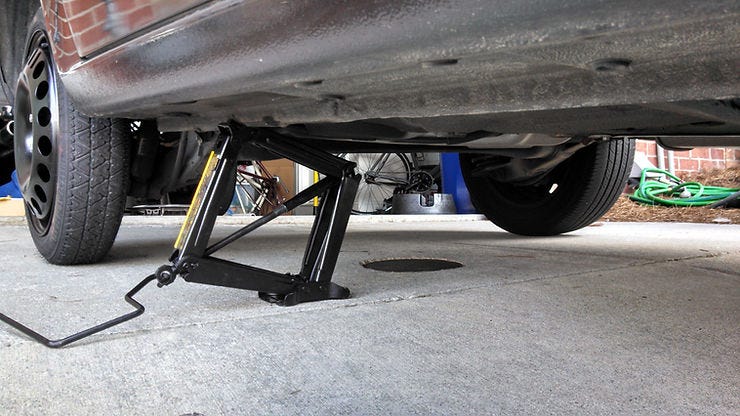
- Hydraulic or scissor jack
- Jack stands rated for your vehicle’s weight
- Wheel chocks or large blocks
- Gloves and safety glasses for protection
Having everything ready before you begin saves time and reduces frustration. Have you ever paused halfway because you forgot a tool? Avoid that by preparing in advance.
Credit: kashylachlan.medium.com
Positioning The Jack
Positioning the jack correctly is crucial for safety and efficiency. The right placement keeps the car stable and prevents damage. Knowing where and how to place the jack makes the process smoother and safer.
Locating Jack Points
Every car has specific jack points. These are strong spots designed to hold the car’s weight. Check the owner’s manual for exact locations. Usually, these points are near the wheels or along the frame.
- Look for reinforced metal areas under the car.
- Avoid soft spots or plastic parts.
- Use markings or notches as guides.
Proper jack points support the car evenly. This avoids bending or damage to the frame.
Placing The Jack Correctly
Place the jack directly under the jack point. Make sure the jack’s saddle sits flat against the car. Align the jack so it lifts straight up without tilting.
- Clear the area of debris for stable placement.
- Use a flat, firm surface to position the jack.
- Double-check the jack’s position before lifting.
Correct placement prevents slipping and accidents. It also protects the car’s body from damage.
Using Jack Stands Safely
Using jack stands safely is crucial to prevent accidents and ensure your car stays secure while you work underneath. It’s not just about lifting the car; it’s about knowing how to support it properly. Taking time to understand the right tools and correct placement can save you from serious injuries and damage.
Selecting The Right Jack Stands
Choose jack stands that match or exceed the weight of your vehicle. Check the weight rating clearly marked on each stand before buying or using them. Using stands with too low a capacity can lead to dangerous collapses.
Look for sturdy materials like steel and avoid stands that feel wobbly or have loose parts. Adjustable height stands give you flexibility, but make sure the locking mechanism is solid and easy to engage.
Placing Stands Under The Vehicle
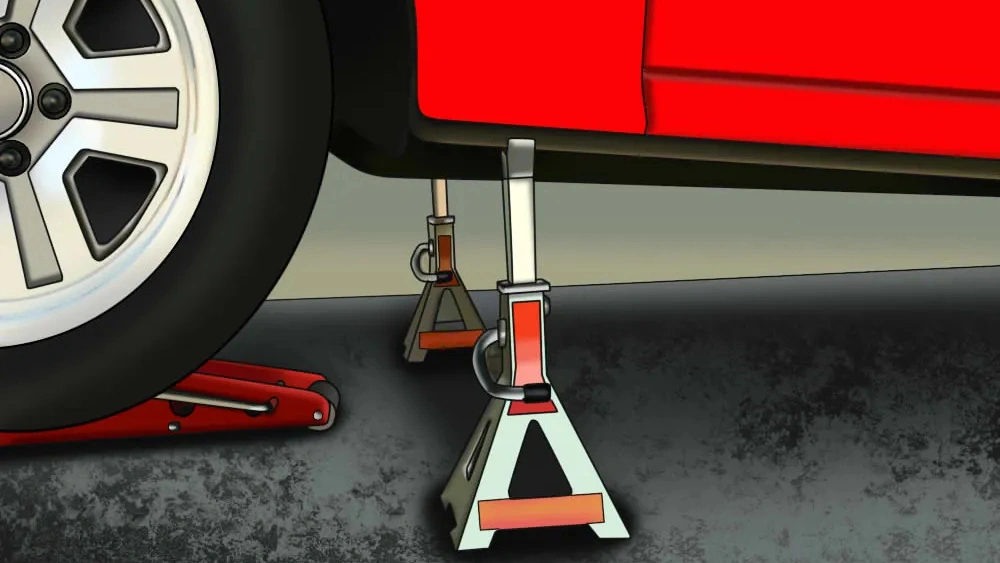
Locate your vehicle’s recommended jack points—these are strong spots designed to bear weight safely. You can find this information in your owner’s manual or marked on the car’s frame. Avoid placing stands on soft or uneven ground as it can cause slipping.
Center each stand under the jack point, ensuring it’s stable before you start lowering the car. Did you know that even a slight misalignment can lead to the car shifting? Double-checking placement is worth the extra minute.
Lowering The Car Onto Stands
Lower the car slowly and steadily onto the jack stands to avoid sudden drops. Use the jack’s release valve carefully to control the descent. Watch closely to make sure the stands hold the weight evenly and the car doesn’t rock.
Once the car rests on the stands, give it a gentle push to test stability. If it moves or feels insecure, raise it back up and adjust the stands. Your safety depends on that stability, so don’t rush this part.
Final Safety Checks
Final safety checks are the last and most crucial part of jacking your car with jack stands. Skipping these checks can turn a routine task into a dangerous situation. Taking a few extra moments to double-check stability, common pitfalls, and having safety gear nearby can save you from accidents and injuries.
Testing Stability
After placing the jack stands, gently rock the car side to side and front to back. It shouldn’t move or shift under light pressure. If you notice any wobbling, reposition the stands and test again.
Also, ensure the stands sit on solid, level ground. Soft surfaces like dirt or grass can cause the stands to sink or tip. Have you ever felt uneasy about a car’s balance? Trust that feeling and double-check before you get underneath.
Avoiding Common Mistakes
- Never rely solely on the hydraulic jack; always use jack stands to support the vehicle.
- Don’t place stands under plastic or fragile parts—use designated lift points shown in your owner’s manual.
- Avoid skipping wheel chocks on the opposite wheels to prevent rolling.
One time, I saw a friend try to save time by skipping the wheel chocks. The car moved slightly, causing the jack stand to shift. That moment reinforced how small mistakes can lead to big problems.
Keeping Safety Gear Nearby
Always keep gloves, safety glasses, and a flashlight within reach. Gloves protect your hands from grease and cuts, while safety glasses shield your eyes from unexpected debris. A flashlight helps you inspect hard-to-see areas clearly.
Do you have a phone close by in case of emergencies? It’s a small but essential part of your safety setup. Being prepared means you can focus entirely on your work without unnecessary risks.

Credit: www.fiat500usa.com
Frequently Asked Questions
What Tools Are Needed To Jack Stand A Car Safely?
You need a hydraulic jack, sturdy jack stands, and wheel chocks. These tools ensure stability and safety when lifting and supporting your car.
Where Should Jack Stands Be Placed On A Car?
Place jack stands under the car’s designated lift points. Refer to the owner’s manual to find these specific, reinforced locations for safety.
How To Check If The Car Is Secure On Jack Stands?
Gently shake the car after lowering it on jack stands. If it doesn’t move or wobble, it is securely supported.
Can I Use Any Jack Stands For All Cars?
No, use jack stands rated for your car’s weight. Using the wrong stands can cause accidents or damage.
Conclusion
Jack standing a car keeps you safe during repairs. Always choose a flat, solid surface before starting. Place the jack stands under the car’s strong points. Lower the car slowly onto the stands, never trust the jack alone. Double-check the stability before working underneath.
Taking these steps prevents accidents and saves lives. Practice carefulness and patience every time you jack stand. Safety is the most important part of any car work. Now, you can confidently support your car for maintenance or repairs. Stay safe and work smart.