
Lifting your car safely on jack stands might seem tricky, but with the right steps, you can do it confidently and securely. Whether you’re changing a tire, checking under the vehicle, or working on repairs, knowing how to use jack stands properly is key to protecting yourself and your car.
In this guide, you’ll discover simple, clear instructions that make the process easy to follow. By the end, you’ll feel ready to lift your car like a pro—and keep your workspace safe at the same time. Keep reading to learn how to get the job done right.

Credit: www.reddit.com
Choosing The Right Jack Stands
Choosing the right jack stands is crucial for your safety and the success of your car maintenance project. Not all jack stands are created equal, and picking the wrong type or capacity can lead to dangerous situations. Understanding the options available and what suits your vehicle will give you confidence while working underneath.
Types Of Jack Stands
There are several types of jack stands, each designed for different needs and preferences. The most common types include:
- Pyramid Stands:These have a solid base and a fixed height, making them very stable but less adjustable.
- Ratchet Stands:These allow easy height adjustment with a ratchet mechanism, offering flexibility but requiring careful locking.
- Pin Stands:Adjustable with a locking pin, these provide secure height settings and are popular for their reliability.
Think about how often you’ll adjust the height and the type of surface you’ll work on. If you need quick height changes, ratchet or pin stands might be better. Stability is key, so test how sturdy the stand feels before buying.
Weight Capacity And Safety Ratings
Every jack stand has a weight limit, which you must never exceed. Check the rated capacity on the stand’s label, and always choose a stand with a capacity higher than your vehicle’s weight. For example, if your car weighs 3,000 pounds, pick stands rated for at least 4,000 pounds.
Safety ratings from organizations like ANSI or ASTM ensure the stand meets strict standards. Avoid stands without these certifications to reduce risk. Remember, a stand that can barely hold your car might fail unexpectedly.
Have you ever felt unsure if your equipment was safe enough? Choosing stands with clear, high safety ratings removes that doubt and lets you focus on the job at hand.
Credit: www.familyhandyman.com
Preparing Your Vehicle
Getting your vehicle ready before lifting it on jack stands is crucial for your safety and the stability of the car. Taking a few moments to prepare properly can prevent accidents and make your work easier. Let’s focus on how to set the stage for a secure lift.
Selecting A Flat Surface
Choose a hard, flat surface like a concrete driveway or garage floor. Avoid soft ground like grass or gravel because the jack and stands can sink or shift under pressure. Think about the terrain—have you ever tried working on a slope? It’s risky and unstable.
If you don’t have a perfect spot, place a sturdy board under the jack to create a level base. This small step can save you from unexpected movement and keep your car steady while you work.
Engaging The Parking Brake
Always set your parking brake before lifting your car. This simple action locks the wheels and stops the vehicle from rolling. Even on flat ground, the parking brake acts as your first line of defense against accidents.
Ask yourself: have you ever lifted a car without the brake engaged? It’s a gamble you don’t want to take. The parking brake is a small effort that prevents a big hazard.
Chocking The Wheels
Place wheel chocks on the wheels that remain on the ground. If you’re lifting the front, chock the rear wheels, and vice versa. This stops your car from rolling and adds an extra layer of safety.
You can use rubber or wooden chocks, or even heavy stones if nothing else is available. The key is making sure they fit snugly against the tires. Have you ever felt unsure if your car was secure? Proper chocking removes that doubt.
Lifting The Car Safely
Lifting a car safely is crucial before working underneath it. Taking the right steps prevents accidents and injuries. Use the correct tools and always check for stable ground. Never rush the process. Focus on safety throughout to protect yourself and the vehicle.
Positioning The Jack
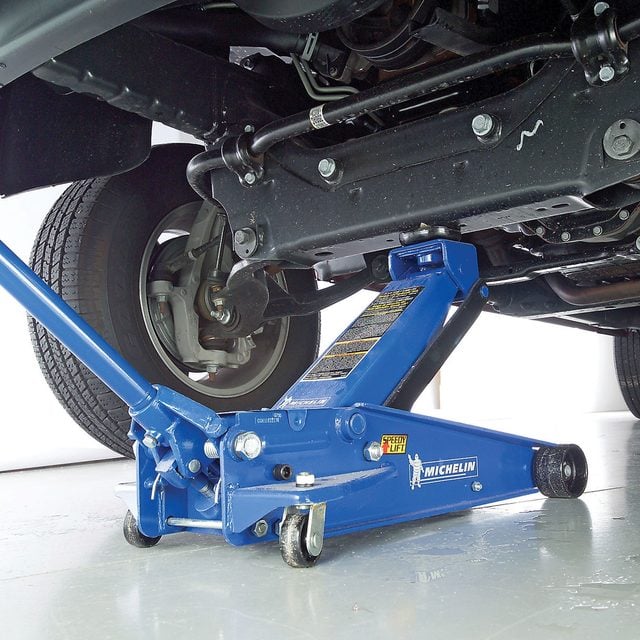
Place the jack under the car’s recommended lift points. These points are usually near the wheels or under the frame. Check your car manual if unsure. Make sure the jack sits flat on firm, level ground. Avoid soft or uneven surfaces that can cause slipping.
Raising The Vehicle
Slowly pump the jack handle to lift the car. Watch the car’s movement carefully. Stop if the car shifts or feels unstable. Raise the vehicle high enough to fit the jack stands under it. Avoid lifting the car too high or too fast.
Placing The Jack Stands
Slide the jack stands under strong, stable points of the car. These are often near the frame or designated support spots. Adjust the height of the stands to match the lifted car. Slowly lower the car onto the stands by releasing the jack. Test the car’s stability by gently shaking it before working underneath.

Credit: www.youtube.com
Securing And Lowering The Vehicle
Securing and lowering a vehicle on jack stands requires care and attention. This phase is vital for safety during any repair or maintenance work. It ensures the car stays stable and lowers gently without damage or accidents.
Testing Stability
After placing the jack stands, check the car’s balance. Gently push the vehicle from different sides. Look for any wobbling or shifting. If the car moves, reposition the stands and test again. The vehicle must feel firm and steady before proceeding.
Removing The Jack
Once the car is stable, slowly lower the jack. Do this carefully to avoid sudden drops. Remove the jack completely after the car rests on the stands. Avoid putting your hands or feet under the vehicle during this process.
Lowering The Car Safely
To lower the car from the stands, first clear tools and objects from underneath. Use the jack to lift the vehicle slightly off the stands. Remove the stands carefully, one at a time. Slowly lower the car back to the ground. Check that it sits evenly and safely on the ground.
Frequently Asked Questions
How Do I Safely Lift A Car On Jack Stands?
First, park on a flat surface and engage the parking brake. Use a hydraulic jack to lift the car at manufacturer-recommended points. Place jack stands securely under the car’s frame. Slowly lower the car onto the stands, ensuring stability before working underneath.
What Tools Are Needed To Lift A Car On Jack Stands?
You need a reliable hydraulic jack, quality jack stands rated for your car’s weight, and wheel chocks. Gloves and safety glasses are also recommended for protection. Having a flat, solid surface is crucial for safe lifting and support.
Where Should Jack Stands Be Placed Under A Car?
Place jack stands under the vehicle’s manufacturer-specified lift points, usually on the frame or reinforced areas. Avoid placing them on suspension parts or the oil pan. Proper placement ensures stability and prevents damage while the car is lifted.
How High Should I Lift My Car On Jack Stands?
Lift the car just enough to perform your task comfortably. Typically, 12 to 18 inches off the ground is sufficient. Avoid lifting higher than necessary to reduce the risk of instability or accidents.
Conclusion
Lifting a car on jack stands keeps you safe and steady. Always check the jack stands’ weight limit first. Place them on solid, level ground for best support. Use the car’s recommended lift points to avoid damage. Double-check everything before working under the car.
Taking these steps helps prevent accidents and injuries. Stay calm and work carefully. Safety matters most when lifting a vehicle. Follow these tips every time you lift your car. Simple actions make a big difference.