
Lifting a car with a jack might seem tricky if you’ve never done it before. But once you know the right steps, it becomes simple and safe.
Whether you need to change a tire or check underneath your vehicle, knowing how to use a jack correctly puts you in control. In this guide, you’ll discover easy tips and clear instructions that anyone can follow. Keep reading, and soon you’ll feel confident handling your car like a pro.
Credit: www.familyhandyman.com
Choosing The Right Jack
Choosing the right jack is crucial before you start lifting your car. Picking a jack that fits your car’s weight and size ensures safety and efficiency. Let’s break down the key points to consider so you don’t end up struggling with the wrong tool.
Types Of Car Jacks
You’ll find several types of car jacks, each suited for different tasks and vehicles. The most common are:
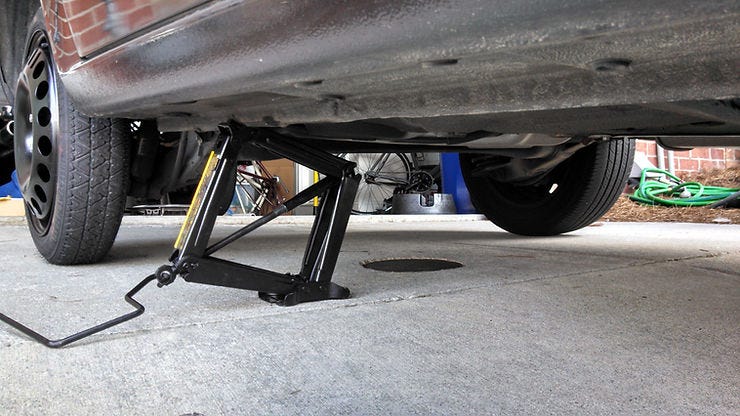
- Scissor Jacks:Compact and lightweight, ideal for small cars and emergency use.
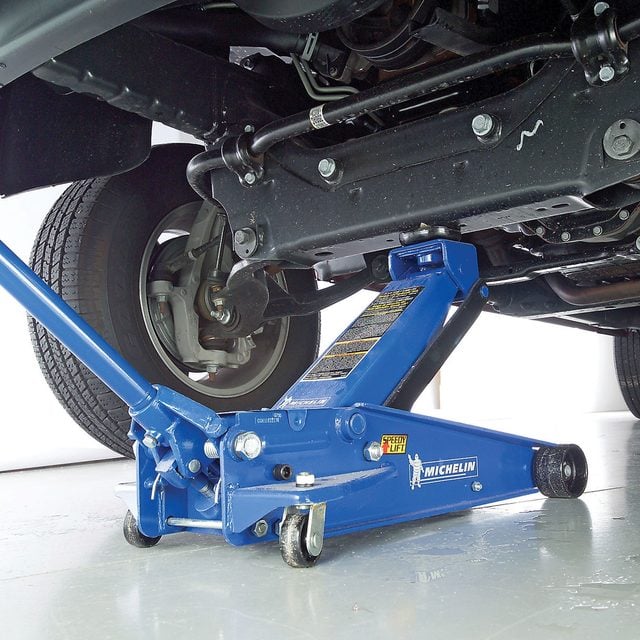
- Hydraulic Floor Jacks:Easier to use with a long handle, perfect for heavier vehicles and regular maintenance.
- Bottle Jacks:Compact but powerful; great for trucks and SUVs due to their high lifting capacity.
Which type matches your car and your comfort level? Choosing the right one can save time and effort during a tire change or repair.
Weight Capacity And Size
Every jack has a weight limit, often measured in tons. Check your vehicle’s curb weight and pick a jack with a capacity that exceeds it. For example, a 1.5-ton jack is suitable for most sedans but insufficient for larger trucks.
Size also matters—your jack must fit under your car’s frame or lifting points without trouble. An oversized jack can be cumbersome, while a too-small jack may not reach the lift point safely.
Have you ever tried lifting a vehicle only to realize your jack was too small or weak? Avoid that hassle by matching capacity and size carefully.
Safety Features To Look For
Safety can’t be an afterthought when lifting a car. Look for jacks with features like:
- Wide Base:Provides stability and reduces the risk of tipping over.
- Safety Locks:Prevent the jack from slipping or collapsing once lifted.
- Non-slip Pads:Protect your car’s frame and improve grip.
Some jacks also come with built-in pressure relief valves that prevent overloading. Have you checked if your jack includes these features before starting a lift? They make a significant difference in keeping you safe.
Credit: kashylachlan.medium.com
Preparing Your Car And Area
Getting your car ready before lifting it with a jack is essential for safety and efficiency. Taking a few minutes to prepare your vehicle and the surrounding area can prevent accidents and make the entire process smoother. Are you sure your workspace is safe enough to handle the job?
Park On A Level Surface
Always position your car on a flat, stable surface. Uneven ground can cause the jack or car to shift unexpectedly. Even a slight slope can make lifting dangerous, so look for a spot like a concrete driveway or a flat garage floor.
If you’re stuck on a hill, try to find the flattest spot nearby, or wait until you can move the car to a safer location. It’s not worth risking your safety by working on an incline.
Engage The Parking Brake
Once your car is parked, firmly set the parking brake. This simple step keeps your vehicle from rolling during the lift. Think of it as the first line of defense against unexpected movement.
Even if your car feels stable, don’t skip this. You’ll thank yourself later if the jack slips or the ground shifts slightly.
Place Wheel Chocks
Wheel chocks act as extra security by blocking the tires that stay on the ground. Place them snugly against the wheels opposite to the side you’re lifting. For instance, if you’re lifting the front right side, chock the rear left wheels.
You can use rubber wheel chocks or heavy objects like bricks if you don’t have the proper tools. This step is often overlooked, but it can be the difference between a safe job and a disaster.
Positioning The Jack Correctly
Positioning the jack correctly is crucial for your safety and the safety of your vehicle. If you place the jack in the wrong spot, you risk damaging your car or causing the jack to slip. Taking the time to position the jack right can save you from unexpected trouble and make the lifting process smoother.
Locate The Jack Points
Every car has specific jack points designed to handle the weight safely. Look for reinforced areas along the frame or under the rocker panels—these are often marked in your car’s manual or with small notches on the car’s body.
Ignoring these points can lead to bending or cracking parts of your car. Have you checked your vehicle’s manual before? It’s surprising how many people skip this simple step and end up with costly repairs.
Aligning The Jack
Once you find the jack point, position the jack so that its saddle (the part that lifts the car) is directly under that spot. The saddle should sit flat against the jack point to ensure even pressure.
Misalignment can cause the jack to slip or damage the car’s frame. Try to avoid placing the jack at an angle; a straight, firm position keeps the lift stable and safe.
Avoiding Damage To The Vehicle
Protect your car by adding a small piece of wood or rubber between the jack and the vehicle if the jack point is delicate. This cushion absorbs pressure and prevents scratches or dents.
Be careful not to lift on plastic trim, exhaust parts, or any area that’s not solid metal. Have you ever seen a cracked bumper or dented side panel after a lift? This happens because the jack was placed incorrectly.
Lifting The Car Safely
Lifting a car safely is crucial to avoid accidents and injuries. Always prepare the area and your tools before starting. Check that the ground is flat and stable to prevent the jack from slipping. Never rush the process. Taking your time ensures the car stays balanced and secure while lifted.
Operating The Jack Handle
Begin by placing the jack handle firmly in its slot. Turn the handle slowly and steadily. Avoid fast or jerky movements to keep control. Keep your hands clear of pinch points. Smooth operation reduces the risk of sudden shifts in the car’s position.
Raising The Car Slowly
Lift the car in small, steady increments. Pause frequently to check the car’s stability. Watch for any tilting or movement. Stop immediately if the car feels unstable. Slow lifting helps maintain balance and prevents the jack from slipping.
Securing With Jack Stands
Once the car is lifted, place jack stands under strong points of the frame. Lower the car gently onto the stands. Do not rely on the jack alone for support. Jack stands provide a safe and stable base to work under the car. Double-check that the stands are locked before starting any work.

Credit: www.youtube.com
Frequently Asked Questions
What Type Of Jack Is Best For Lifting A Car?
A hydraulic floor jack is best for lifting cars safely and easily. It provides stable support and smooth lifting. Scissor jacks are lighter but less stable. Always choose a jack with a weight capacity above your car’s weight for safety.
Where Should I Place The Jack Under The Car?
Place the jack under the car’s designated lifting points. These are usually near the wheels or along the frame. Refer to your car’s manual for exact locations. Incorrect placement can damage the car or cause the jack to slip, risking injury.
How High Should I Lift The Car With A Jack?
Lift the car just enough to remove the tire or perform the needed work. Usually, 6 to 12 inches is sufficient. Avoid lifting higher than necessary to maintain stability and reduce the risk of the car falling.
Is It Safe To Lift A Car Without Wheel Chocks?
No, always use wheel chocks on the opposite wheels. They prevent the car from rolling while lifted. This simple step enhances safety and prevents accidents during any repair or maintenance work.
Conclusion
Using a jack to lift a car is simple with the right steps. Always place the jack on a flat, solid surface. Check your car’s manual for the correct lifting points. Lift slowly and watch the car’s movement carefully. Never go under the car without extra support like jack stands.
Practicing safety keeps you safe and your car undamaged. With patience and care, you can lift your car confidently. Now, you are ready for small repairs or tire changes. Stay safe and take your time each step of the way.