
Are your car’s brakes making strange noises or feeling less responsive? It might be time to change your brake pads.
Knowing how to change brake pads on your car can save you money and give you confidence in your vehicle’s safety. In this guide, you’ll find simple, step-by-step instructions that anyone can follow—even if you’ve never worked on a car before.
Stick with me, and by the end, you’ll be ready to tackle this important task with ease and keep your car running smoothly.

Credit: www.youtube.com
Preparing Your Car And Tools
Preparing your car and tools sets the stage for a smooth brake pad change. Proper preparation ensures safety and efficiency. It also helps prevent damage to your vehicle. Take time to get everything ready before starting the job.
Gathering the right tools makes the process easier. Securing the vehicle keeps you safe while working on it. Follow these steps to prepare well.
Gather Necessary Tools
Collect all tools before beginning. Common tools include:
- Jack and jack stands
- Lug wrench
- Socket set and ratchet
- Flathead screwdriver
- C-clamp or brake caliper tool
- Brake cleaner and rags
- New brake pads
- Gloves and safety glasses
Having tools at hand saves time and avoids frustration. Check tool condition and size compatibility with your car.
Secure The Vehicle
Park the car on a flat, stable surface. Engage the parking brake firmly. Place wheel chocks behind the wheels still on the ground.
Use the jack to lift the car at recommended lift points. Support the car with jack stands for safety. Never rely on the jack alone to hold the car.
Remove the wheel lug nuts carefully. Keep them safe for reinstalling. Now, you can access the brake pads safely and confidently.

Credit: www.youtube.com
Removing Old Brake Pads
Removing old brake pads is a crucial part of changing your car’s brakes. It’s where you get hands-on with your vehicle’s braking system and prepare it for fresh, effective pads. Doing this carefully ensures your new brake pads fit perfectly and work safely.
Remove The Wheel
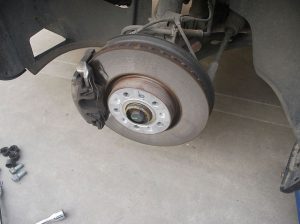
Start by loosening the lug nuts before you lift the car. Use a jack to raise your vehicle safely and secure it with jack stands. Once the car is stable, remove the wheel to expose the brake assembly.
Keep the lug nuts somewhere safe—you’ll need them to put the wheel back on. Removing the wheel gives you clear access to the brake caliper and pads. Have you noticed how much easier brake work is with the wheel off?
Access The Brake Caliper
Next, locate the brake caliper, which holds the brake pads against the rotor. You’ll usually find bolts or pins securing the caliper in place. Use the right-sized wrench or socket to remove these fasteners.
Once the bolts are off, carefully lift the caliper away from the rotor. Don’t let it hang by the brake hose—use a piece of wire or a bungee cord to secure it to the suspension. This prevents damage and keeps your workspace clear.
Take Out The Old Pads
With the caliper out of the way, the brake pads should be visible. They slide out of the caliper bracket or clip into place, depending on your car’s design. Sometimes they’re tight, so a little gentle prying with a flathead screwdriver helps.
Check the pads for uneven wear or deep grooves—these signs tell you a lot about your braking system’s health. Removing old pads carefully avoids damaging the rotor or caliper, setting you up for a smooth brake job. Have you ever found surprises like stuck or broken pads during this step?
Installing New Brake Pads
Installing new brake pads is a crucial part of maintaining your car’s safety and performance. This process might seem tricky, but with careful attention, you can handle it effectively. Let’s break down the essential steps to get your brakes back in top shape.
Position The New Pads
Start by carefully placing the new brake pads into the caliper bracket. Make sure they sit flush against the rotor and align properly with the caliper piston. Incorrect positioning can cause uneven wear or brake noise, so double-check their fit before moving on.
Pay attention to any clips or shims that came with your pads—they help reduce vibration and noise. If your old pads had these, transfer them to the new ones. Have you noticed any difference in brake feel after switching pads with or without these small parts?
Reassemble The Brake Components
Once the new pads are in place, it’s time to put everything back together. Slide the caliper carefully over the pads and rotor, ensuring it doesn’t pinch or misalign the pads. Tighten the caliper bolts securely to the manufacturer’s specifications.
Don’t forget to reconnect any brake hardware you removed, such as anti-rattle clips or sensor wires. Skipping this step can lead to brake failure or warning lights on your dashboard. Taking a moment here saves you from headaches later.
Test The Brakes
Before driving, pump the brake pedal a few times to seat the new pads firmly against the rotors. You should feel the pedal firm up as the pads settle. This is a simple but often overlooked step that ensures your brakes respond correctly.
Next, test your brakes at low speed in a safe area. Listen for unusual noises and check for consistent stopping power. How does your car feel now compared to before the pad change? This quick test can confirm everything is working perfectly or highlight if you need to revisit any steps.

Credit: m.youtube.com
Frequently Asked Questions
How Often Should You Change Car Brake Pads?
Brake pads typically need replacement every 30,000 to 70,000 miles. Check for squeaking sounds or reduced braking power. Regular inspections help ensure safety and prevent damage to rotors.
What Tools Are Needed To Change Brake Pads?
You need a jack, lug wrench, C-clamp, socket set, and new brake pads. Gloves and safety glasses are recommended for protection. Having all tools ready makes the process smoother and faster.
Can You Change Brake Pads Without Removing The Wheel?
No, you must remove the wheel to access the brake caliper and pads. Removing the wheel provides clear space to safely replace the pads and inspect other brake components.
How Long Does It Take To Change Brake Pads?
Changing brake pads usually takes 30 to 60 minutes per axle. Time varies based on experience and vehicle type. Taking your time ensures correct installation and safety.
Conclusion
Changing brake pads on a car is simple with the right steps. Take your time and follow each part carefully. Safety matters most, so double-check your work. Clean tools and a steady hand help a lot. Regular brake checks keep your car safe and smooth.
Practice makes the task easier every time. Now, you can save money and feel more confident driving. Keep learning and stay safe on the road.