
Is your car making that annoying squeaky noise every time you drive over a bump? You’re not alone, and the good news is you don’t have to ignore it.
That squeaky suspension isn’t just irritating—it could be a sign your car needs some attention. Fixing it yourself might sound tough, but with the right steps, you can silence those creaks and enjoy a smoother, quieter ride. Keep reading, and you’ll learn simple, effective ways to stop that squeak for good.

Credit: www.youtube.com
Identify Squeak Sources
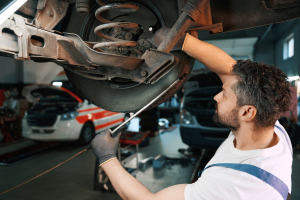
Identifying the source of a squeaky car suspension is the first step to fixing it. Suspensions have many parts, and each can cause noise. Finding the exact spot helps save time and money. Start by carefully checking all suspension parts. Then, inspect bushings and joints for wear. Finally, listen closely during a test drive to catch the squeak in action.
Check Suspension Components
Look over all suspension parts for damage or wear. Focus on springs, shocks, and struts. Check for cracks, rust, or loose bolts. Tighten any loose hardware you find. Damaged components can cause squeaks when the car moves. Replace parts that look worn or broken.
Inspect Bushings And Joints
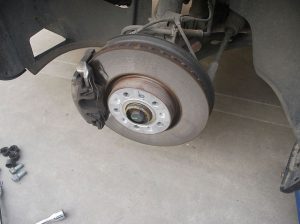
Bushings and joints connect suspension parts and absorb shock. Worn bushings often cause squeaking sounds. Examine rubber or polyurethane bushings for cracks or dryness. Check ball joints, control arms, and tie rods for play or damage. Replace any damaged or stiff bushings and joints to stop the noise.
Listen During Test Drive
Drive the car slowly over bumps and turns. Pay attention to when and where the squeak happens. Note if it occurs during braking, accelerating, or turning. Ask a helper to listen while you drive. Use this information to narrow down the noisy part. Testing on different road surfaces can also help find the source.
Credit: www.clubfrontier.org
Basic Fixes For Squeaks
Squeaky suspension can make every drive annoying and uncomfortable. Often, these noises come from simple issues that you can fix yourself. Tackling basic fixes early can save you money and prevent bigger problems down the road.
Clean And Lubricate Parts
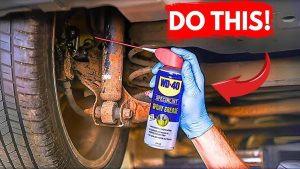
Dirt and grime build-up often cause suspension parts to squeak. Start by cleaning visible components with a brush and a mild cleaner. Once dry, apply a suitable lubricant like silicone spray or white lithium grease to joints and bushings.
Keep in mind, using the right lubricant is key. Some oils attract dirt, making squeaks worse. Have you checked your suspension’s service manual for recommended products?
Tighten Loose Bolts
Loose bolts can cause parts to move and rub, creating squeaks. Grab a wrench and inspect bolts around your suspension system. Tighten any that feel loose but be careful not to overtighten and strip the threads.
After tightening, test drive your car to see if the noise persists. If it does, the problem might be elsewhere. How often do you check your car’s bolts during routine maintenance?
Replace Worn Bushings
Old, cracked, or worn bushings often cause persistent squeaks. These rubber or polyurethane components absorb shock and reduce friction. Inspect bushings for visible wear or excessive play, and replace them if needed.
Replacing bushings can be a bit more involved, but it often solves the problem completely. If you’re unsure, ask a mechanic to help identify worn parts. Have you noticed rougher rides or loose handling along with the noise?
When To Seek Professional Help
Knowing when to seek professional help for your squeaky car suspension can save you time, money, and even prevent further damage. While some noises can be fixed with simple DIY steps, others signal deeper issues that need expert attention. Recognizing these signs early helps you avoid costly repairs down the road and keeps your vehicle safe on the road.
Signs Of Serious Damage
If the squeaking is accompanied by unusual vibrations or your car feels unstable during turns, these are red flags. Notice if the noise worsens when driving over bumps or if your vehicle leans to one side. Also, pay attention to any leaking fluid near the suspension area.
These symptoms often indicate worn-out shocks, broken springs, or damaged bushings. Ignoring these can lead to suspension failure, which is dangerous. Have you ever felt your car behaving oddly and wondered if it was safe to keep driving? That’s your cue to get a professional inspection immediately.
Cost Considerations
Trying to fix serious suspension problems yourself might seem like a way to save money. However, a botched repair can lead to more expensive fixes later. Professional mechanics have the right tools and experience to diagnose and repair issues efficiently.
Costs vary depending on the damage. For example, replacing a shock absorber may cost a few hundred dollars, while fixing multiple suspension components can be more expensive. Think about the potential expense of an accident caused by faulty suspension versus the repair cost. Isn’t it worth investing in your safety?
Finding A Reliable Mechanic
Choosing the right mechanic makes all the difference. Look for shops with good reviews and certifications. Ask friends or family for recommendations—you want someone you can trust with your car.
Don’t hesitate to ask questions about their experience with suspension repairs. A reliable mechanic will explain the problem clearly and provide a detailed estimate. How comfortable do you feel with the answers you get? Trust your instincts when selecting a professional to handle your suspension issues.

Credit: www.youtube.com
Frequently Asked Questions
What Causes A Car Suspension To Squeak?
Squeaky suspension often results from worn bushings, dry joints, or damaged shocks. Lack of lubrication and dirt buildup can also cause noise. Regular maintenance helps identify and fix these issues early.
How Can I Fix Squeaky Suspension At Home?
Start by cleaning suspension parts and applying lubricant to joints and bushings. Check for worn components and replace if needed. Use a jack to safely access suspension areas before working.
When Should I Replace Suspension Parts To Stop Squeaking?
Replace suspension parts if lubrication doesn’t stop noise or if components show visible wear. Common parts include bushings, shocks, and struts. Timely replacement ensures better ride comfort and safety.
Can Worn Shocks Cause Suspension Squeaking?
Yes, worn shocks often cause squeaking noises. They lose damping ability and may produce metal-on-metal sounds. Inspect shocks regularly and replace them when performance declines.
Conclusion
Fixing a squeaky car suspension helps improve driving comfort. Regular checks keep your suspension working well. Lubricate parts and tighten bolts to stop noise. Worn parts may need replacement for best results. Small efforts save money and avoid bigger repairs.
Drive smoothly and enjoy a quieter ride. Take action early to keep your car safe. Easy steps can make a big difference today.