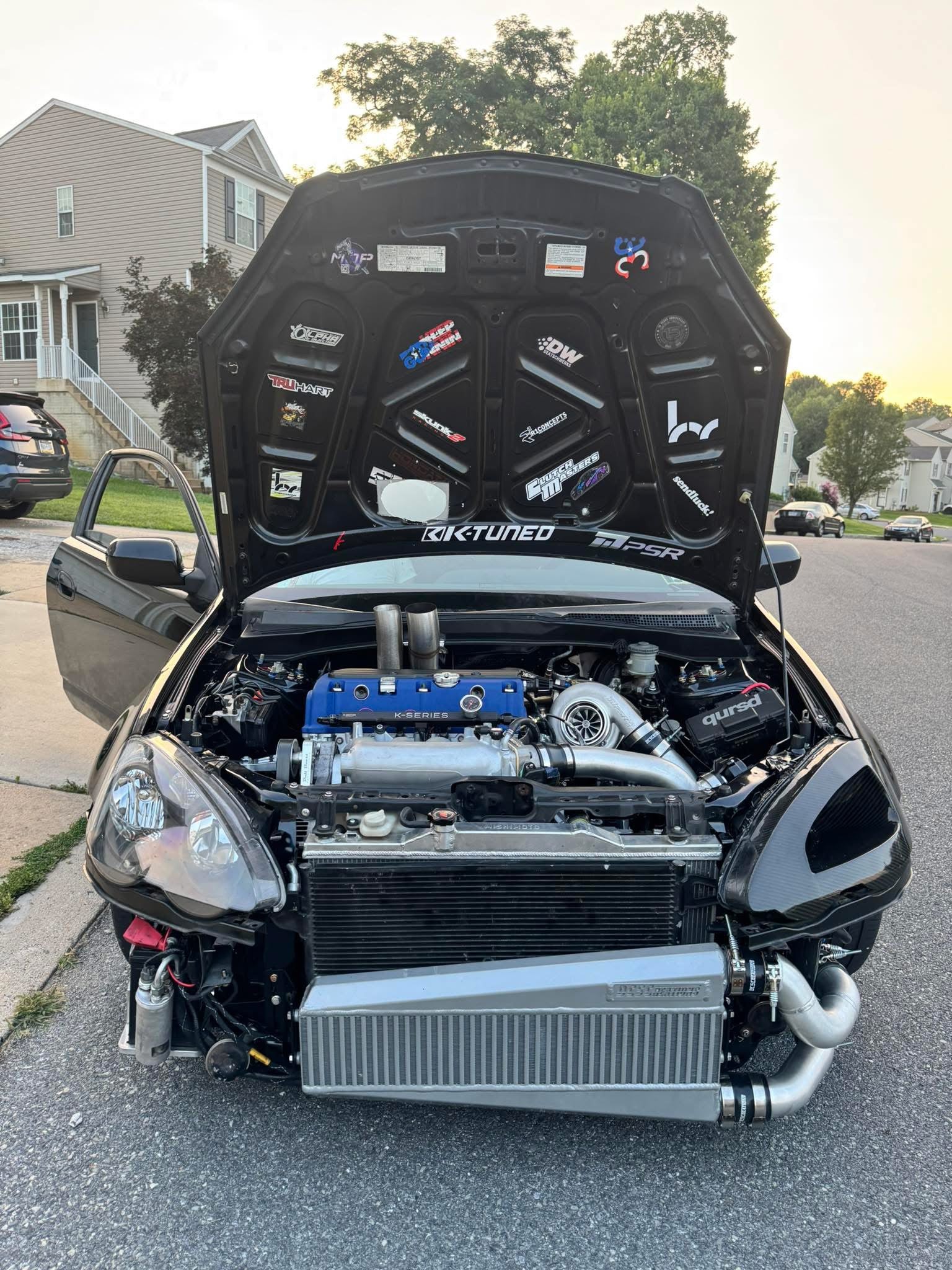
Looking to boost your car’s performance without adding an intercooler? You’re in the right place.
Turbocharging can give your engine a serious power kick, but sometimes installing an intercooler isn’t an option. Don’t worry—there are smart ways to get more from your turbo setup even without one. You’ll discover practical tips and tricks that can help you maximize power, keep your engine safe, and enjoy a faster, smoother ride.
Ready to unlock your car’s hidden potential? Let’s dive in.

Credit: jackfabs.com
Choosing The Right Turbo Setup
Choosing the right turbo setup is crucial when you want to turbocharge a car without an intercooler. Without that extra cooling step, your setup must be carefully planned to avoid overheating and engine damage. The right combination of turbocharger and boost level can keep your engine safe while still delivering impressive power gains.
Selecting A Turbocharger For No Intercooler
Not every turbocharger works well without an intercooler. You’ll want a turbo that produces lower intake temperatures right from the start. Smaller, quick-spooling turbos generally create less heat compared to bigger ones that push higher boost pressures.
Choosing a turbo with a built-in water or air cooling feature can also help manage intake temps. Think about your engine size and daily driving needs. A turbo that offers smooth power delivery at moderate boost levels often performs better without intercooling than one designed for extreme horsepower.
- Look for turbos with efficient compressor wheel designs.
- Consider turbos that run at lower boost pressures.
- Focus on quick spool times to reduce heat buildup.
Remember, a turbo that spins up fast but doesn’t push excessive boost will keep your engine running cooler and more reliably. Have you checked how your current turbo’s compressor map fits with no intercooler use?
Optimizing Boost Levels Safely
Boost levels are the heart of your turbo setup, especially without an intercooler. Running too much boost will spike intake air temperatures and risk detonation. It’s key to find the balance where you get power gains without pushing the engine beyond its safe limits.
Start with modest boost pressure and monitor engine conditions closely. Use tools like wideband O2 sensors and knock detection to keep tabs on combustion quality. Adjust boost gradually and watch for signs of heat stress or knock.
| Boost Level | Effect on Intake Temps | Recommended Use |
|---|---|---|
| Low (6-8 psi) | Minimal temperature rise | Daily driving, mild performance |
| Moderate (8-12 psi) | Noticeable heat increase | Short bursts, track days |
| High (12+ psi) | High intake temps, risk of knock | Not recommended without intercooler |
Would you rather tune for consistent power or chase higher peak numbers with higher risk? Your answer should guide how much boost you safely run. Remember, keeping engine temperatures manageable pays off in reliability and longevity.
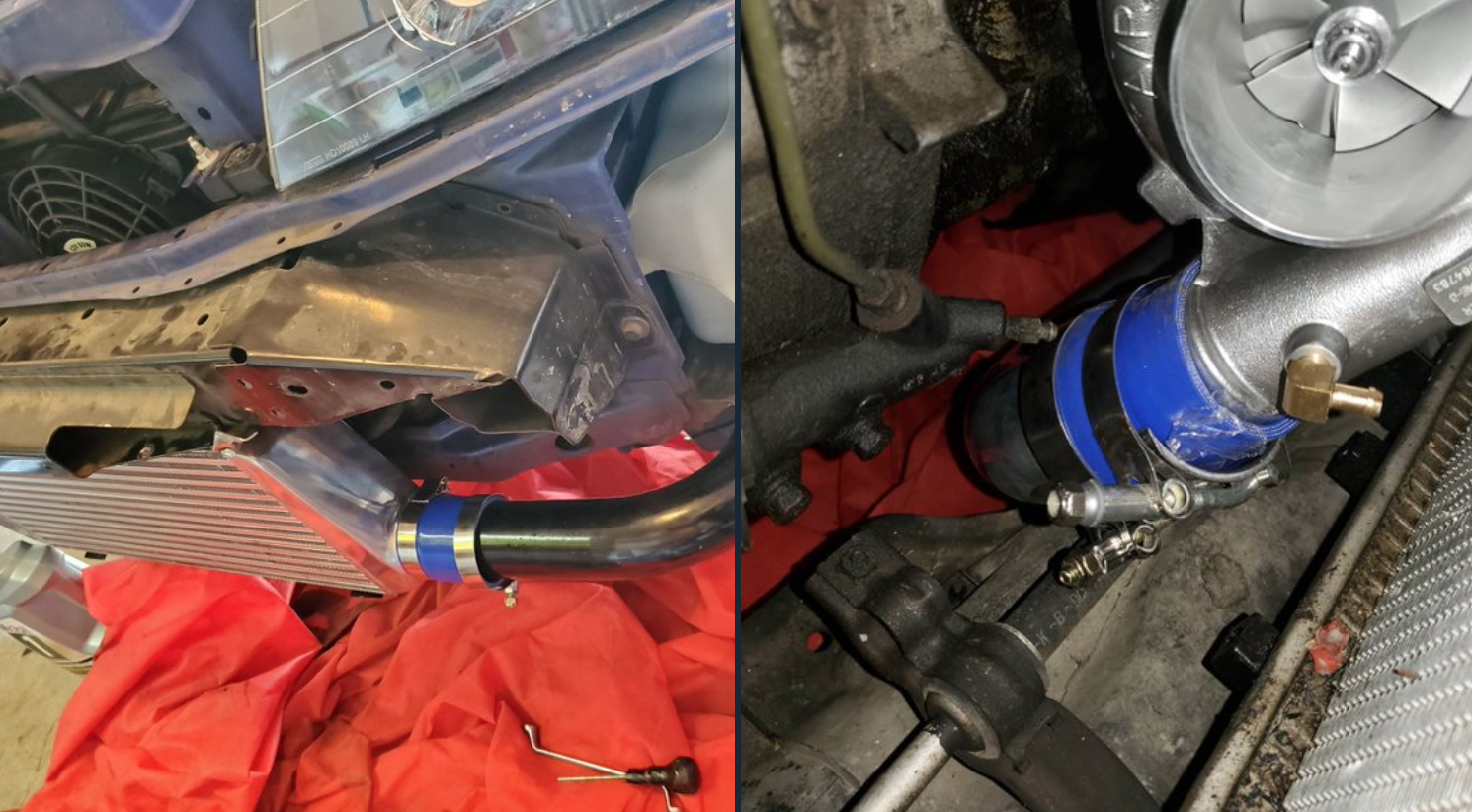
Credit: joelatwar.medium.com
Managing Heat Without An Intercooler
Managing heat without an intercooler is one of the biggest challenges when turbocharging your car. The intercooler’s main job is to cool the compressed air before it enters the engine, helping prevent heat-related damage and power loss. Without it, you need smart strategies to keep temperatures down and protect your engine.
Upgrading Cooling Systems
One of the first things to focus on is your car’s overall cooling system. A stronger radiator with higher capacity can help dissipate heat more efficiently. Consider adding an electric fan that kicks in earlier than your stock setup to maintain airflow during slow traffic or idling.
Upgrading your coolant to a high-performance mix can also improve heat transfer. Some enthusiasts switch to aluminum radiators because they dissipate heat faster than traditional copper ones. Have you checked how well your current cooling system handles extended drives or heavy loads?
Using Heat Wraps And Shields
Heat wraps and shields are practical tools to control where heat goes under your hood. Wrapping exhaust manifolds or downpipes with heat wrap reduces the amount of radiant heat that reaches other components. This can lower engine bay temperatures significantly.
Heat shields protect sensitive parts like fuel lines and wiring from excessive heat exposure. Many racers use reflective thermal barrier sheets near turbochargers to keep heat contained. You might find that simply redirecting heat away from critical areas helps maintain engine performance without an intercooler.
Tuning And Maintenance Tips
Keeping your car tuned and well-maintained is crucial when turbocharging without an intercooler. Without that extra cooling step, your engine runs hotter and under more stress. Smart tuning and vigilant maintenance can help you avoid damage and get the best performance.
Adjusting Fuel And Timing
Running a turbo without an intercooler means higher intake temperatures, which can cause knocking if your fuel and timing aren’t right. You need to lean out your timing slightly to prevent pre-detonation, especially under heavy boost. Adding a bit more fuel can help keep combustion temperatures down and protect your engine.
Think about it like this: I once tuned a turbo setup without an intercooler and ignored timing adjustments. The engine started pinging under boost, and I had to dial back the power to save it. Adjusting fuel and timing carefully lets you push harder without risking damage.
Monitoring Engine Performance
Keep a close eye on key engine data—boost pressure, air/fuel ratios, and especially exhaust gas temperatures (EGTs). Higher EGTs can signal that your engine is running too hot, which is common without an intercooler. Use a reliable gauge setup or a data logger to catch issues early.
Regularly check spark plugs and look for signs of detonation or overheating. This real-time feedback helps you fine-tune your setup and maintain safe operation. Would you rather guess how your engine is doing or have precise data to guide your tweaks?

Credit: www.reddit.com
Frequently Asked Questions
Can You Turbocharge A Car Without An Intercooler?
Yes, you can turbocharge without an intercooler, but it may cause higher intake temperatures. This reduces engine efficiency and power. Using proper tuning and heat management is crucial to avoid engine damage and maintain performance.
What Are Risks Of Turbocharging Without An Intercooler?
Without an intercooler, intake air heats up, increasing the chance of engine knock. This can lead to reduced power, poor fuel economy, and potential engine damage. Proper tuning and monitoring are essential to minimize these risks.
How Can I Reduce Heat Without An Intercooler?
You can reduce heat by using heat wraps, water sprays, or upgraded cooling systems. Also, running lower boost pressure helps manage intake temperatures. These methods partially compensate for the absence of an intercooler.
Is A Turbocharged Car Less Efficient Without An Intercooler?
Yes, without an intercooler, turbocharged engines run hotter and less efficiently. Hot intake air lowers combustion quality and power output. Installing an intercooler typically improves engine performance and fuel economy significantly.
Conclusion
Turbocharging a car without an intercooler is possible with smart steps. Keep your engine cool by using good quality oil and coolant. Avoid high boost pressures that cause extra heat. Make sure your air intake is clean and allows enough airflow.
Watch your engine’s temperature closely during drives. Small changes make a big difference in performance and safety. Stay patient and test carefully to find what works best. Your car can run strong and smooth without an intercooler.