Are you worried that someone might be tracking your car without your permission? Finding a GPS tracking device hidden in your vehicle can be unsettling.
You want to take control and protect your privacy right away. But how do you spot and remove these devices safely and effectively? In this guide, you’ll learn simple steps to find and remove any GPS tracker from your car, so you can drive with confidence and peace of mind.
Keep reading to take back control of your privacy today.

Credit: spacehawkgps.com
Identifying Gps Tracking Devices
Finding a GPS tracking device in your car can be tricky. These devices come in many shapes and sizes. Knowing how to spot them helps protect your privacy and safety.
Start by understanding what common GPS trackers look like. Then, watch for signs that suggest your car might be tracked. Finally, use detection tools to find hidden devices effectively.
Common Types Of Gps Trackers
- Magnetic Trackers:Small, attach easily to metal parts under the car.
- Hardwired Trackers:Connected directly to the car’s electrical system.
- OBD-II Trackers:Plug into the car’s diagnostic port inside the vehicle.
- Battery-Powered Trackers:Compact, can be hidden in glove boxes or under seats.
Signs Your Car Is Being Tracked
- Unusual wires or devices around the dashboard or under the car.
- Car battery drains faster than normal.
- Strange noises or beeping sounds from your vehicle.
- Your car’s GPS or radio behaving oddly.
- Unexpected alerts on your phone about location sharing.
Using Detection Tools
GPS detector devices can find hidden trackers quickly. These tools scan for radio signals used by trackers. Some smartphone apps also help detect suspicious signals.
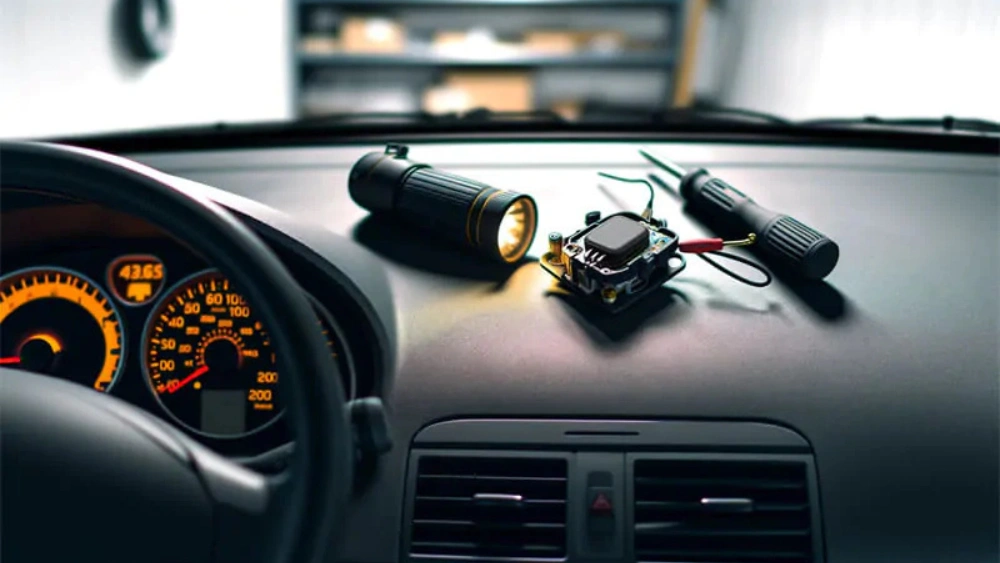
Look carefully in common hiding spots like wheel wells, under bumpers, and inside the glove box. Use a flashlight and mirror to inspect hard-to-see areas.

Credit: www.youtube.com
Safe Removal Techniques
Removing a GPS tracking device from your car requires care to avoid damage and ensure your privacy. Use safe removal techniques to protect your vehicle’s wiring and electronics. These steps help you find and disconnect the device without causing harm.
Locating The Device In Your Car
Start by inspecting common hiding spots for trackers. Check under the dashboard, near the steering column, and inside the glove compartment. Look around wheel wells, under the seats, and in the trunk. Use a flashlight to spot small devices. Some trackers are magnetic and stick to metal surfaces.
Listen for unusual sounds or use a mobile app designed to detect GPS signals. Mark spots that seem suspicious for closer inspection.
Disconnecting Power Sources
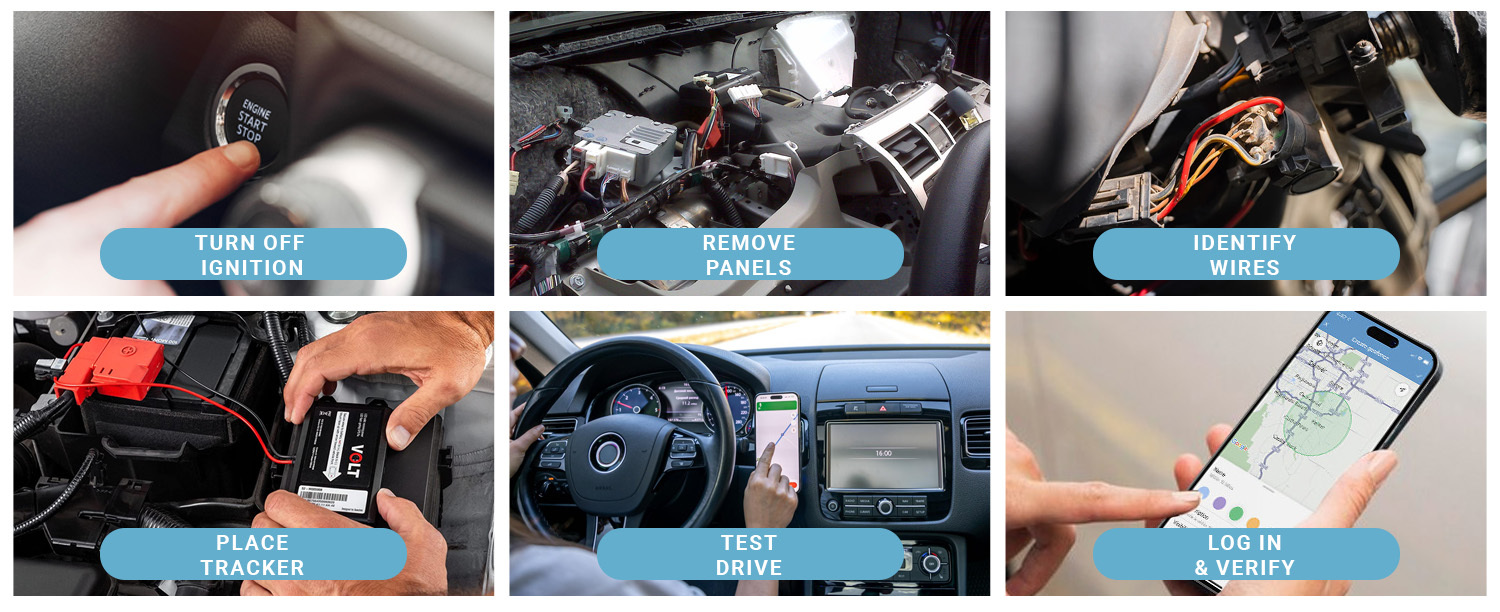
Most GPS trackers connect to your car’s power system. Identify wires that supply power to the device. These often connect to the battery or fuse box. Before disconnecting, turn off your vehicle to avoid electric shock or damage.
Use insulated tools to carefully cut or unplug the wires powering the tracker. Avoid cutting main wiring harnesses. Secure any loose wires with electrical tape after removal.
Handling Hidden Trackers
Some trackers hide inside car parts or under panels. Gently remove interior panels using plastic pry tools to avoid scratches. Check behind bumpers or inside wheel arches. If the tracker is inside a sealed part, avoid breaking it to prevent damage.
Consider professional help if the device is deeply hidden or hard to access. Always keep your safety and car’s condition in mind during removal.
Preventing Future Tracking
Stopping unwanted GPS tracking starts with smart prevention. Taking simple steps can protect your car from hidden devices. Staying alert and using the right tools helps keep your location private.
Regular checks and understanding the legal limits make a big difference. Small habits build strong defenses against tracking.
Regular Vehicle Inspections
Check your car often for strange devices. Look under the dashboard, seats, and bumpers. Use a flashlight and mirror to see hard spots. Pay attention to wires that seem out of place.
Set a weekly routine for these checks. Early discovery stops tracking before it grows. Keep a record of inspection dates and findings.
Using Gps Jamming Devices
GPS jammers block signals that trackers send. They create interference to hide your car’s location. These devices come in small, easy-to-use forms.
Use jammers only in safe places, like private property. They help protect privacy but can affect other signals nearby.
Legal Considerations
Know local laws about GPS tracking and jamming. Using jammers may be illegal in some areas. Removing trackers without permission can cause trouble.
Consult local authorities or legal experts before taking action. Staying within the law keeps you safe and stress-free.
Credit: www.brickhousesecurity.com
Frequently Asked Questions
How Can I Detect A Gps Tracking Device On My Car?
You can inspect your car’s exterior and interior carefully. Look for unusual wires, magnets, or small boxes. Use a GPS detector device for accurate identification. Check areas like under the dashboard, bumpers, or wheel wells.
Is It Legal To Remove A Gps Tracker From My Vehicle?
Removing a GPS tracker you own or have permission to remove is legal. However, removing a device placed without consent might have legal consequences. Always verify ownership and consult local laws before removal.
What Tools Do I Need To Remove A Gps Tracker Safely?
Basic tools include screwdrivers, pliers, and a flashlight. A GPS signal detector helps locate devices accurately. Ensure the car is off and follow safety precautions to avoid damage or injury during removal.
Can A Gps Tracker Damage My Car’s Electronics?
Most GPS trackers are low-power and do not harm your car electronics. Improper removal may cause minor wiring issues or electrical faults. Always handle devices carefully to prevent damage.
Conclusion
Removing a GPS tracker from your car is not hard if you know where to look. Check common hiding spots like under the dashboard or near the battery. Use simple tools to disconnect the device safely. Taking these steps protects your privacy and gives you peace of mind.
Stay alert for unusual devices and act quickly. Your car should only track what you allow. Keep control in your hands.