
If you’ve ever wondered, “How long does it take to replace brakes on my car?” you’re not alone. Knowing the answer can save you time and stress, especially when your brakes start to feel worn or noisy.
Whether you’re planning a quick repair or just want to understand the process better, this guide will give you clear, simple answers. By the end, you’ll know exactly what to expect, so you can keep your car safe and get back on the road faster.
Keep reading to find out how brake replacement really works and how long it takes.
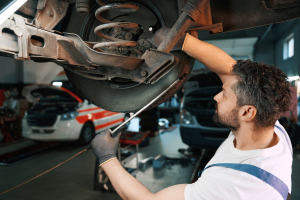
Credit: www.northyorkchrysler.ca
Factors Affecting Brake Replacement Time
Brake replacement time varies due to several key factors. Understanding these can help set realistic expectations. Each factor influences the process in different ways.
Type Of Brakes
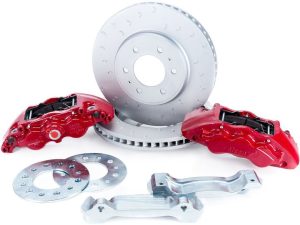
Different brake systems require different amounts of time to replace. Disc brakes are common and usually quicker to service. Drum brakes can take longer because of their complex parts. Performance or specialty brakes may need extra care and precision. This adds to the total replacement time.
Car Model And Make
Car design affects how fast brakes can be replaced. Some models have easier access to brake components. Others have tight spaces making the job harder. Luxury or imported cars often use unique parts. Finding and fitting these parts can increase time.
Condition Of Brake Components
Old or damaged parts may slow down the process. Rust or wear can make removal tough. Sometimes, additional repairs are needed beyond simple replacement. This can extend the time spent on the job. Clean and well-maintained brakes are faster to service.

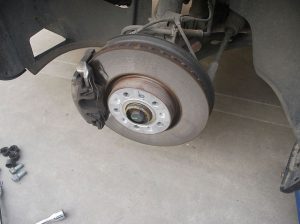
Credit: simonsautorepairtaunton.com
Step-by-step Brake Replacement Process
Replacing car brakes involves several careful steps to ensure safety and performance. Each part must be handled with attention. The process begins with removing the worn components and ends with installing new parts. This step-by-step guide explains the main actions involved in brake replacement.
Removing Old Brake Pads
Start by lifting the car and removing the wheel. Locate the brake caliper, which holds the brake pads. Use a wrench to loosen the caliper bolts. Carefully slide the caliper away from the rotor. Remove the old brake pads from the caliper bracket. Check for any damage or corrosion. Set the old pads aside for disposal.
Inspecting Brake Rotors
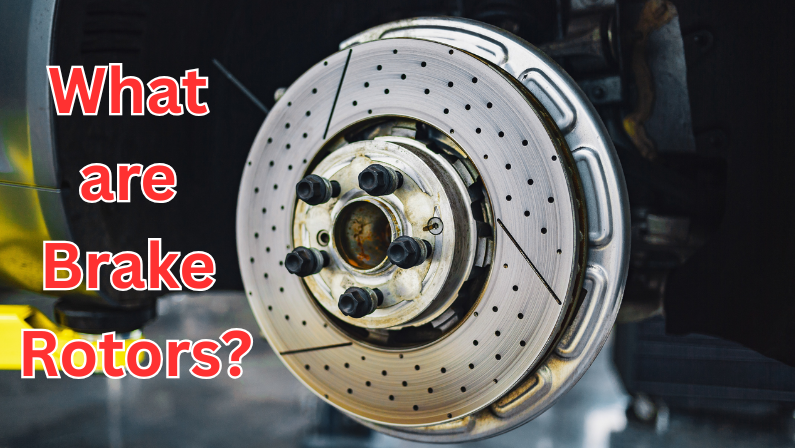
Look closely at the brake rotors after removing the pads. Check for deep grooves, cracks, or rust. Measure the rotor thickness with a gauge. Thin rotors need replacement or resurfacing. Clean the rotor surface with brake cleaner. This step ensures smooth braking and extends the life of new pads.
Installing New Brake Pads
Before installing, apply brake grease to the back of the new pads. Place the new pads into the caliper bracket carefully. Compress the caliper piston using a C-clamp or brake tool. Slide the caliper back over the new pads and rotor. Tighten the caliper bolts securely. Reinstall the wheel and lower the car.
Tips To Speed Up Brake Replacement
Speeding up brake replacement saves time and reduces stress. Simple actions before and during the process make a big difference. Preparation and care help avoid delays and ensure safety.
Gathering Tools In Advance
Having all tools ready before starting avoids interruptions. Common tools include:
- Jack and jack stands
- Lug wrench
- Brake caliper tool
- Socket set
- Brake cleaner
- New brake pads and hardware
Organize tools in one place. Check if any tools need repair or replacement. This saves time searching during the job.
Hiring Experienced Mechanics
Skilled mechanics work faster and more efficiently. They know the right steps and tools to use. Their experience reduces mistakes and rework. Choose mechanics with good reviews and proper certifications. This ensures quality and speed together.
Regular Maintenance Practices
Regularly checking brakes prevents sudden failures. Clean brakes and replace worn parts early. This keeps the system in good shape. Well-maintained brakes require less time to replace. Schedule inspections every few months or as recommended.

Credit: simonsautorepairtaunton.com
Frequently Asked Questions
How Long Does It Take To Replace Car Brake Pads?
Replacing car brake pads typically takes 30 to 60 minutes. The exact time depends on the vehicle type and brake system complexity. Skilled mechanics can often complete the job faster without compromising quality or safety.
Can Brake Rotor Replacement Extend Overall Brake Service Time?
Yes, replacing brake rotors usually adds 30 to 45 minutes to the service. Rotor condition influences replacement need. If rotors are worn or damaged, replacement ensures better braking performance and safety.
Does Vehicle Type Affect Brake Replacement Duration?
Absolutely. Larger vehicles or those with complex brake systems take longer. Compact cars generally require less time. Always consult your mechanic for an accurate time estimate based on your car model.
Is It Possible To Replace Brakes At Home Quickly?
Brake replacement at home is possible but requires skill and tools. Time may vary from 1 to 3 hours depending on experience. Safety is critical, so professional service is recommended for most drivers.
Conclusion
Replacing car brakes usually takes about one to two hours. This depends on the car type and brake system. A skilled mechanic can do it faster. Regular brake checks keep your car safe on the road. Don’t wait for signs of brake wear.
Quick brake replacement helps avoid bigger problems later. Remember, good brakes mean safer driving for everyone. Keep your brakes in top shape to drive with confidence.