
Have you ever wondered what happens when you press the brake pedal in your car? Understanding how your brakes work isn’t just interesting—it can keep you safer on the road.
Your brakes are what stop your car when you need them to, but the way they do this is more complex than you might think. You’ll discover the simple yet powerful mechanics behind your car’s braking system. By the end, you’ll know exactly how your brakes protect you every time you drive.
Keep reading to unlock the secrets that make stopping your car smooth and reliable.
Brake System Components
The brake system in a car has several key parts. Each part works together to stop the vehicle safely. Knowing these parts helps understand how brakes work and why they need care.
Brake Pads And Rotors
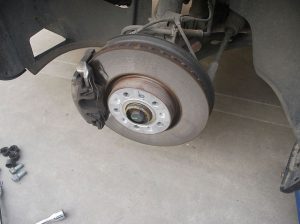
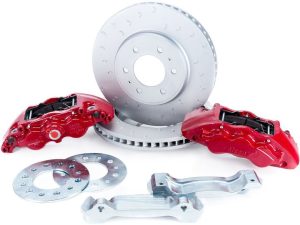
Brake pads press against the rotors to stop the car. Rotors are metal discs attached to the wheels. When you press the brake pedal, the pads squeeze the rotors. This creates friction, which slows down the wheels. Over time, brake pads wear out and need replacement. Rotors can also become damaged and may need resurfacing or changing.
Calipers And Brake Lines
Calipers hold the brake pads and push them against the rotors. They act like clamps. Brake lines carry brake fluid from the master cylinder to the calipers. When you press the brake pedal, the fluid moves through the lines. This pressure makes the calipers squeeze the brake pads. Proper brake lines and calipers are crucial for safe braking.
Master Cylinder And Brake Fluid
The master cylinder controls the brake fluid in the system. It pushes fluid through the brake lines when the pedal is pressed. Brake fluid is special liquid that transfers force from the pedal to the brakes. It must be clean and at the right level. Old or dirty brake fluid can cause brakes to fail or feel soft.

Credit: www.pohanka-nissan.com
How Braking Forces Are Applied
Understanding how braking forces are applied can change the way you think about car safety. It’s not just about pressing a pedal; it’s a carefully controlled process involving several components working together. Let’s break down how this system transforms your foot’s pressure into the force that stops your car.
Hydraulic Pressure Mechanism
Your brake pedal connects to a hydraulic system filled with brake fluid. When you press the pedal, it pushes this fluid through brake lines to each wheel’s brake caliper or drum.
This fluid pressure multiplies the force you apply, making it strong enough to squeeze the brake pads against the rotors. Without this mechanism, your foot alone wouldn’t generate enough force to stop a moving vehicle safely.
Friction And Heat Generation
The core of braking is friction. When brake pads clamp down on the spinning rotors, they create friction that slows the wheels.
This friction converts kinetic energy into heat. Ever noticed your brakes smelling hot or a slight burning odor after heavy use? That’s the heat your brakes generate while stopping your car.
Stopping The Vehicle
As friction slows the wheels, the car’s momentum decreases, eventually bringing it to a halt. The better your brake pads and rotors, the more efficiently this happens.
But have you ever felt a vibration or heard squealing during braking? That’s a sign your braking system needs attention to ensure it stops your car smoothly and safely every time.
Types Of Car Brakes
Car brakes come in different types, each designed for specific tasks. Understanding these types helps you know how your vehicle stops safely. The main types include disc brakes, drum brakes, and the anti-lock braking system (ABS). Each has unique features and functions.
Disc Brakes
Disc brakes use a flat metal disc called a rotor. When you press the brake pedal, brake pads squeeze the rotor. This creates friction that slows the wheel down. Disc brakes work well in wet and dry conditions. They cool down faster, reducing brake fade during long use. Most modern cars use disc brakes on the front wheels.
Drum Brakes
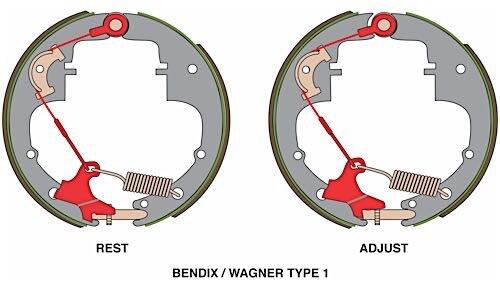
Drum brakes have a round drum that turns with the wheel. Inside the drum, brake shoes push outward to create friction. This friction stops the wheel from spinning. Drum brakes are less expensive and often used on rear wheels. They are good for parking brakes but can overheat faster than disc brakes.
Anti-lock Braking System (abs)
ABS helps prevent wheels from locking during hard braking. Sensors monitor wheel speed and adjust brake pressure automatically. This keeps the car stable and allows steering while braking. ABS improves safety on slippery roads and during sudden stops. Most cars today come equipped with ABS as standard.

Credit: www.carparts.com
Credit: www.brakeandfrontend.com
Frequently Asked Questions
How Do Car Brakes Stop The Vehicle?
Car brakes work by converting kinetic energy into heat through friction. When you press the brake pedal, brake pads clamp onto rotors, slowing wheel rotation and stopping the vehicle safely and efficiently.
What Are The Main Types Of Car Brakes?
The main types are disc brakes and drum brakes. Disc brakes use pads and rotors, while drum brakes use shoes inside a drum to create friction and stop the vehicle.
Why Do Brakes Sometimes Make Noise?
Brake noise often happens due to worn brake pads, dust, or lack of lubrication. It can also indicate rotor damage or the need for brake maintenance to ensure safety.
How Often Should Car Brakes Be Checked?
Car brakes should be inspected every 10,000 to 20,000 miles or during regular vehicle servicing. Frequent checks help detect wear early and maintain optimal braking performance.
Conclusion
Brakes help keep cars safe by stopping them when needed. They use friction to slow down the wheels. Different parts work together to make this happen smoothly. Regular brake checks keep your car working well. Understanding how brakes work helps you drive more carefully.
Always pay attention to brake sounds or changes. Good brakes give you control and protect everyone on the road. Remember, safe driving starts with reliable brakes. Simple but important.