
Wondering how much oil your car really needs for an oil change? You’re not alone.
Using the right amount of oil is key to keeping your engine running smoothly and avoiding costly repairs. Too little oil can cause serious damage, while too much can lead to leaks and other problems. You’ll discover exactly how to find the right oil quantity for your vehicle, why it matters, and simple tips to make your next oil change quick and worry-free.
Keep reading to protect your car and save money in the long run.

Credit: www.reddit.com
Factors Affecting Oil Quantity
Knowing how much oil your car needs for an oil change depends on several important factors. These factors ensure your engine runs smoothly and avoids damage from too little or too much oil. Understanding these can help you avoid costly mistakes and keep your vehicle in top condition.
Engine Size And Type
The size of your engine directly affects the amount of oil required. Larger engines typically need more oil because they have bigger components that require lubrication.
For example, a small four-cylinder engine might need around 4 to 5 quarts of oil, while a V8 engine can require 6 to 8 quarts or more. Additionally, the engine type—such as diesel or gasoline—can influence oil capacity due to different internal designs and operating conditions.
Oil Filter Capacity
Your car’s oil filter holds a certain amount of oil that mixes with the oil in the engine. A larger or high-performance oil filter can increase the total oil capacity slightly.
When changing oil, you should consider the filter’s capacity because it absorbs some oil during operation. Skipping this detail can lead to running your engine with less oil than needed, which affects lubrication and engine health.
Manufacturer Recommendations
Every car manufacturer provides specific guidelines about oil quantity in the owner’s manual. These recommendations are based on rigorous testing and are tailored to your car’s engine design.
Ignoring these guidelines and guessing the oil amount can cause engine problems. Always check your manual or trusted sources before adding oil to ensure you fill the correct quantity for your model.
Credit: www.carmudi.com.ph
Checking Your Car’s Oil Capacity
Knowing your car’s oil capacity is essential before starting an oil change. Using too little oil can harm your engine, while too much can cause leaks and damage. Checking the exact amount your vehicle needs helps you maintain its health and performance efficiently.
Consulting The Owner’s Manual
Your car’s owner’s manual is the most reliable source for oil capacity information. It usually lists the oil quantity required for an oil change in quarts or liters. If you’re unsure where to find this, look in the maintenance or specifications section.
I once skipped reading the manual and added oil based on guesswork. The engine ran rough afterward, reminding me why the manual matters. Have you ever experienced something similar? Always trust the manufacturer’s guidelines first.
Using Online Resources
If the manual isn’t handy, online resources can help. Websites dedicated to car maintenance often have detailed specs, including oil capacity, for various makes and models. Just enter your car’s year, make, and model to find the right information.
Be cautious about forums or user comments, as they can sometimes contain inaccurate advice. Stick to reputable sites or official manufacturer pages. This way, you avoid mistakes that could cost you time and money.
Asking A Professional Mechanic
When in doubt, don’t hesitate to ask a mechanic. Professionals can quickly tell you the exact oil capacity and recommend the best oil type for your car. They can also check for other issues during the oil change process.
Remember, mechanics have hands-on experience with many vehicles, which adds value beyond just numbers. Have you talked to a mechanic recently about your car’s maintenance? Their insights might surprise you and save you headaches later.
Choosing The Right Oil Amount
Choosing the right amount of oil for your car’s oil change is crucial for keeping the engine running smoothly. Too little oil can cause serious damage, while too much can lead to leaks and increased pressure on seals. Understanding the proper oil quantity helps you maintain your vehicle’s health and avoid costly repairs.
Full Vs. Partial Oil Change
A full oil change means draining all the old oil and refilling with the exact recommended amount of fresh oil. This ensures your engine gets a clean start. A partial oil change, on the other hand, might involve topping off or only partially draining the oil.
Partial changes can be tempting if you’re short on time or money, but they often leave contaminants behind. Over time, this can reduce engine efficiency and performance. Always check your owner’s manual to know what’s best for your car.
When To Adjust Oil Levels
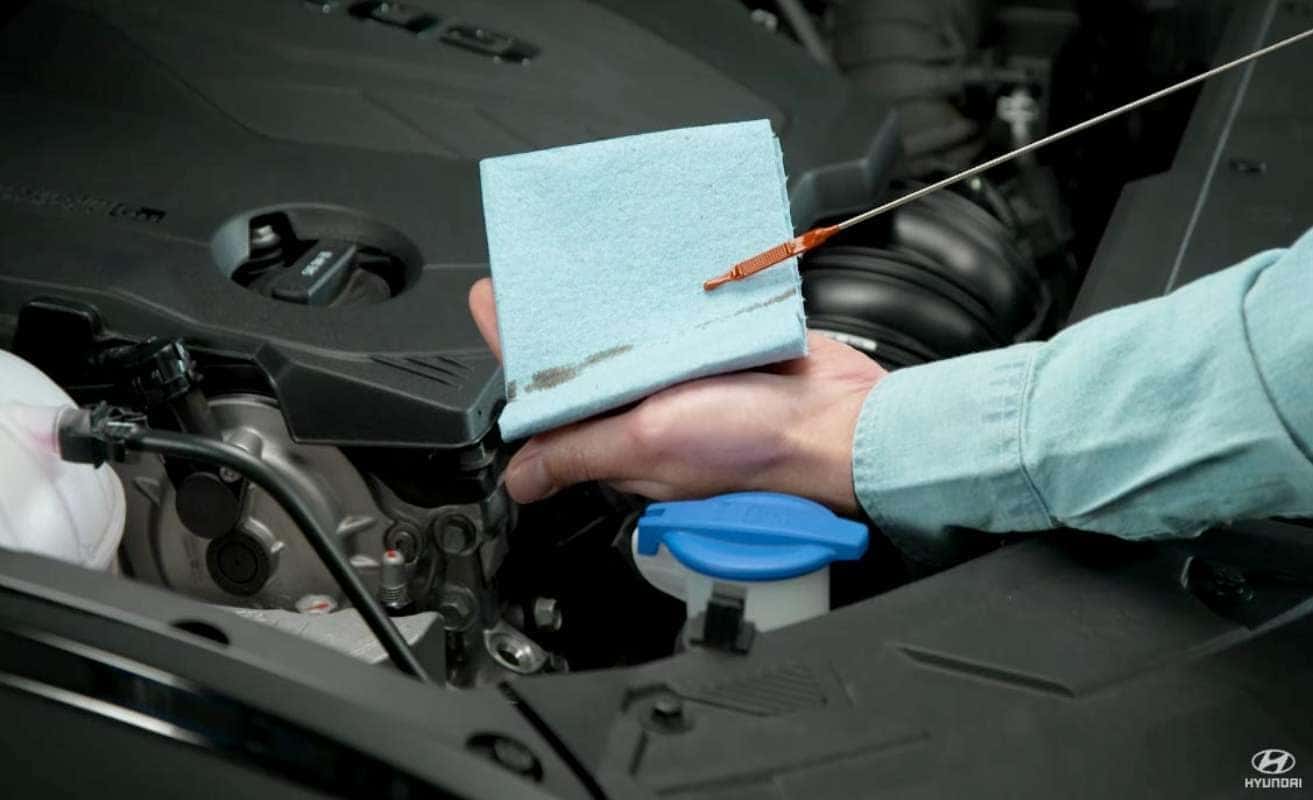
Adjusting oil levels isn’t just about adding more when it’s low. After an oil change, it’s important to check the dipstick a few times to ensure the level is within the proper range.
If you notice the oil level is too high, it’s safer to drain some out. Too much oil can cause foaming, which reduces lubrication. Keep an eye on your oil levels regularly, especially if you drive in harsh conditions or notice unusual engine noises.
Common Mistakes To Avoid
- Overfilling the oil:Adding more than the recommended amount can cause engine damage.
- Ignoring the owner’s manual:Each car model has specific oil capacity and type requirements.
- Mixing oil types:Using different oil grades or brands can affect engine performance.
- Skipping the oil filter change:Dirty filters can contaminate fresh oil.
Have you ever added oil without checking the level afterward? It’s a small step that can prevent big problems. Taking a few minutes to measure and adjust oil can save you from expensive repairs down the road.
Credit: www.hyundaicfl.com
Tips For An Effective Oil Change
Performing an oil change might seem straightforward, but doing it effectively ensures your car runs smoothly and lasts longer. Paying attention to details can save you time, money, and potential headaches. Here are some practical tips to help you get the job done right and keep your engine happy.
Preparing Your Vehicle
Make sure your car is parked on a flat surface and the engine is slightly warm—not hot. Warm oil drains faster, but hot oil can cause burns. Always engage the parking brake to keep the vehicle secure while you work.
Have you checked your owner’s manual lately? It tells you exactly how much oil your car needs and the correct type to use. Knowing this prevents overfilling or using the wrong oil, which can harm your engine.
Tools And Materials Needed
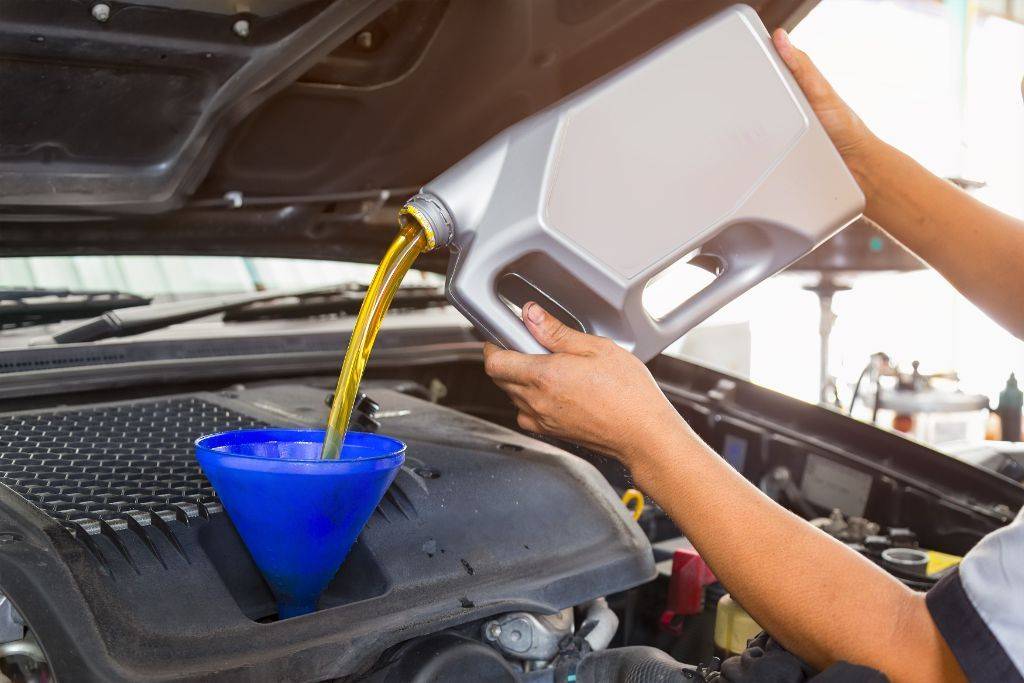
Gathering the right tools before starting saves frustration. You’ll need a wrench or socket set to remove the drain plug, an oil filter wrench, a funnel, and a container to catch old oil.
- New oil matching your car’s specifications
- Replacement oil filter
- Gloves to keep your hands clean
- Rags or paper towels for spills
Missing just one tool can turn a simple task into a complicated mess. Have everything within reach and ready to use.
Disposing Of Old Oil Safely
Pour the used oil into a sealed container right after draining. Never dump old oil on the ground or down a drain—it pollutes the environment and is illegal in many places.
Most auto parts stores and service centers accept used oil for recycling. Planning where to take your oil beforehand makes disposal easy and responsible.
What’s your plan for old oil? Taking care of it properly protects your community and keeps your conscience clear.
Frequently Asked Questions
How Much Oil Does A Typical Car Need?
Most cars require between 4 to 6 quarts of oil. Always check your owner’s manual for exact capacity. Using the correct amount ensures optimal engine performance and longevity.
How To Find My Car’s Oil Capacity?
Refer to your vehicle’s owner manual or manufacturer website. The oil capacity is listed under engine specifications. This helps you avoid overfilling or underfilling during an oil change.
Can I Use Any Type Of Oil For My Car?
No, use the oil grade recommended in your owner’s manual. Using the wrong oil can harm engine performance and reduce efficiency. Stick to manufacturer guidelines for best results.
How Often Should I Change My Car’s Oil?
Typically, oil changes are recommended every 3,000 to 7,500 miles. This varies by vehicle type and oil used. Regular changes keep your engine clean and running smoothly.
Conclusion
Knowing the right amount of oil helps your car run smoothly. Check your car’s manual for exact oil capacity. Too little oil can harm the engine. Too much oil can cause leaks or damage. Changing oil regularly keeps your engine healthy.
Use the correct oil type and quantity each time. This simple step saves money and avoids car trouble. Keep your engine strong and your car running well.