
Your car’s engine depends on clean oil to run smoothly. But how often should you change your car oil to keep it in top shape?
If you wait too long, your engine can suffer serious damage. Change it too soon, and you might be wasting money. Finding the right balance is key to saving you time, money, and stress. You’ll discover the simple rules and expert tips that help you know exactly when to change your oil.
Keep reading to protect your car and get the most out of every drive.
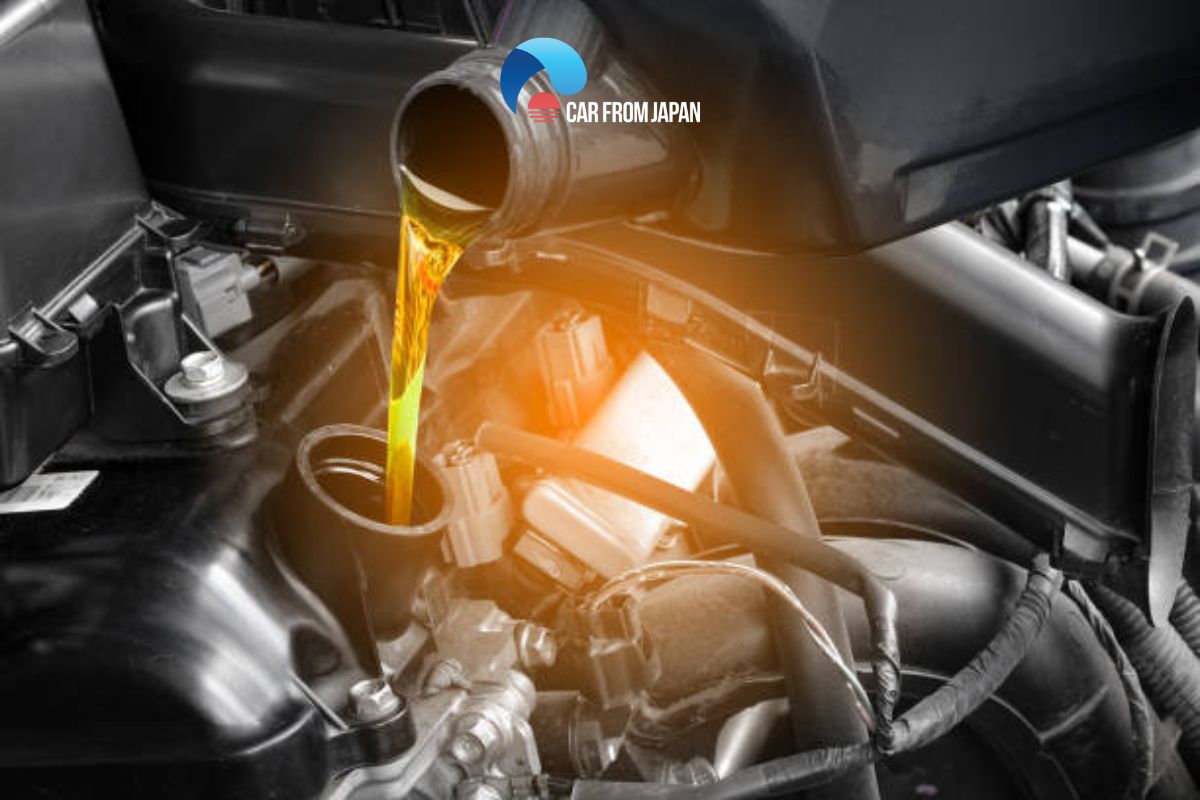
Credit: carfromjapan.com
Signs You Need An Oil Change
Recognizing the signs that your car needs an oil change can save you from costly repairs and keep your engine running smoothly. Ignoring these signals might lead to decreased performance and potential engine damage. Pay close attention to your vehicle’s behavior and dashboard indicators to know exactly when it’s time for fresh oil.
Warning Lights And Dashboard Alerts
Your car’s dashboard is like a health monitor. If the oil pressure warning light or check engine light comes on, it’s a clear sign that your oil may be low or losing its effectiveness.
Don’t ignore these alerts. They often mean your oil isn’t lubricating the engine properly, which can cause serious damage.
Engine Noise And Performance Issues
If your engine starts making unusual noises, such as knocking or ticking sounds, your oil might be old or insufficient.
Fresh oil cushions engine parts, reducing friction and noise. When performance drops or your car feels sluggish, check your oil condition immediately.
Oil Appearance And Consistency
Checking the oil yourself is easier than you think. Use the dipstick to inspect the oil’s color and texture.
- If the oil looks dark and gritty, it’s time for a change.
- Clean oil is usually amber and smooth.
- Thick, sludge-like oil means contamination and poor lubrication.
Have you checked your oil lately? A quick peek under the hood can save you from unexpected breakdowns.

Credit: www.northstarmitsubishi.com
Factors Influencing Oil Change Frequency
Knowing how often to change your car’s oil isn’t just about following a schedule. Several factors influence the right timing for your vehicle. Understanding these can help you avoid engine problems and save money on repairs.
Driving Habits And Conditions
Your daily driving style affects how quickly your oil breaks down. If you often drive in stop-and-go traffic or take short trips, your engine works harder, causing oil to degrade faster.
Harsh environments like extreme heat, dust, or cold also put extra stress on your oil. Have you noticed your engine feeling rough after city driving? That’s a clue you might need more frequent oil changes.
Type Of Engine Oil Used
The kind of oil you choose changes how often it needs replacing. Synthetic oils generally last longer and protect better under tough conditions than conventional oils.
However, not all synthetic oils are equal. Always check your owner’s manual and consider the oil’s quality to decide the right interval for your car. Using the wrong oil type can cost you more in the long run.
Vehicle Age And Model
Older cars usually need oil changes more often because their engines aren’t as efficient at filtering contaminants. Newer models might have advanced systems that allow longer intervals.
Some car manufacturers recommend specific oil change frequencies based on design and performance standards. Do you know your vehicle’s exact recommendations? Following them can keep your car running smoothly and extend its life.
Recommended Oil Change Intervals
Knowing the right time to change your car’s oil can save you from costly repairs and keep your engine running smoothly. Recommended oil change intervals vary depending on several factors, including your vehicle’s make, the type of oil you use, and your driving habits. Understanding these intervals helps you maintain your car’s health without wasting money on unnecessary oil changes.
Manufacturer Guidelines
Your vehicle’s manufacturer provides specific oil change recommendations tailored to your engine. These guidelines are usually found in your owner’s manual and are based on extensive testing. They often suggest intervals like every 5,000 to 7,500 miles, but newer models with advanced engines might allow longer gaps.
Always check your manual first—ignoring these recommendations can void warranties or lead to engine damage. If you’ve lost your manual, many manufacturers offer digital versions online. Have you ever skipped an oil change only to face unexpected engine trouble? That’s why sticking to these guidelines is a smart move.
Conventional Vs Synthetic Oil Schedules
The type of oil you choose directly affects how often you should change it. Conventional oil typically requires more frequent changes, usually every 3,000 to 5,000 miles. Synthetic oils, on the other hand, can last much longer—often 7,500 to 10,000 miles or more.
Synthetic oil resists breakdown better and performs well in extreme temperatures. However, synthetic oil changes might cost more upfront. Think about your budget and driving style when deciding which oil suits you best.
Adjusting Intervals For Severe Conditions
Driving conditions can significantly shorten your oil’s lifespan. If you frequently drive in stop-and-go traffic, extreme heat, cold, or dusty areas, you may need to change your oil more often. Towing heavy loads or driving on rough terrain also puts extra stress on your engine oil.
Consider shortening your oil change interval by 20-30% under these severe conditions. Have you noticed your car performing worse after long trips in harsh environments? That’s a sign to check your oil more frequently. Adjusting your schedule helps avoid engine wear and keeps your car reliable.
Tips For Maintaining Engine Health
Maintaining engine health extends beyond just changing the oil regularly. Small, consistent efforts help keep your car running smoothly. Proper care prevents costly repairs and extends engine life.
Regular Oil Level Checks
Checking oil levels often helps spot leaks or consumption early. Use the dipstick to measure oil when the engine is cool. Keep oil between the minimum and maximum marks. Low oil levels can cause engine damage quickly. Top up with the right oil if levels are low.
Choosing The Right Oil
Select oil based on your car’s manual recommendations. Different engines need different oil types and viscosities. Using the wrong oil can reduce engine efficiency. Synthetic oils often provide better protection for modern engines. Consider climate and driving conditions when picking oil.
Professional Vs Diy Oil Changes
Changing oil yourself saves money and offers control. You must dispose of old oil properly. Professionals have tools and skills for quick, clean oil changes. They can spot other engine issues during service. Choose the option that fits your budget and confidence.
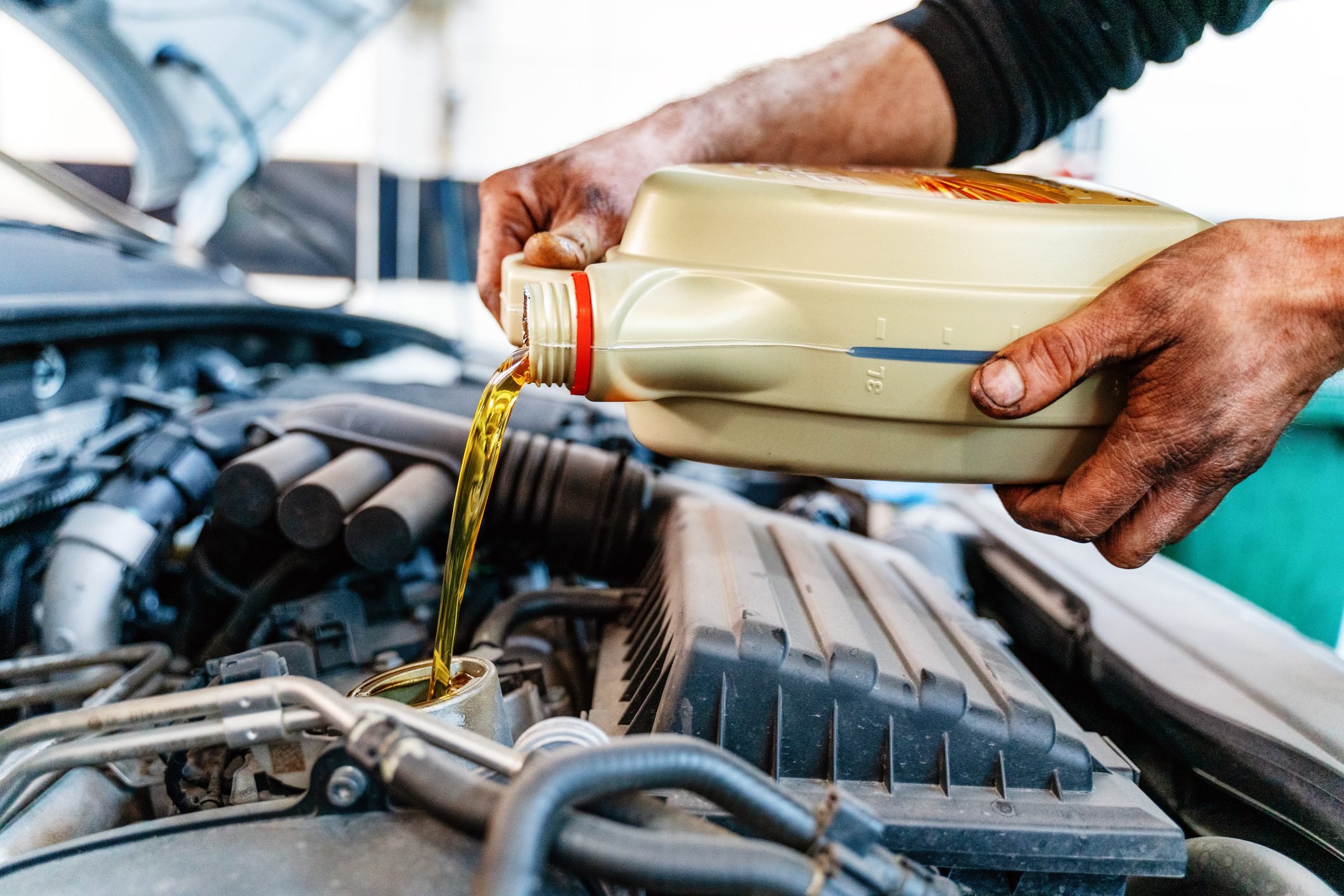
Credit: www.familyhandyman.com
Frequently Asked Questions
How Often Should I Change My Car Oil?
Change your car oil every 5,000 to 7,500 miles or as recommended. Regular oil changes keep the engine running smoothly and prevent damage.
Can Driving Conditions Affect Oil Change Frequency?
Yes, severe conditions like extreme heat, stop-and-go traffic, or towing require more frequent oil changes. Check your owner’s manual for specific advice.
What Happens If I Delay Changing My Car Oil?
Delaying oil changes causes engine wear, reduced performance, and potential costly repairs. Fresh oil ensures proper lubrication and engine protection.
How Do I Know When My Car Needs An Oil Change?
Look for dashboard oil alerts, dark oil color, or unusual engine noises. Regular checks help maintain engine health and avoid breakdowns.
Conclusion
Regular oil changes keep your car running smoothly. Check your owner’s manual for the best schedule. Driving habits and car type affect oil change frequency. Clean oil protects the engine and improves fuel efficiency. Don’t wait for warning lights to change the oil.
Staying on top of oil changes saves money and headaches later. Simple steps help your car last longer and perform better. Keep your engine happy with timely oil changes. Your car will thank you with better rides and fewer repairs.