
If your car’s turbocharger is busted, you’re probably wondering how long you can still drive it without causing more damage. You rely on your vehicle every day, and the last thing you want is to end up stranded or facing a costly repair.
Understanding the risks and knowing what to expect can help you make smart decisions about your car’s health. You’ll discover exactly how long your car can run with a broken turbocharger and what signs you should watch for before it’s too late.
Keep reading to protect your ride and avoid unexpected breakdowns.
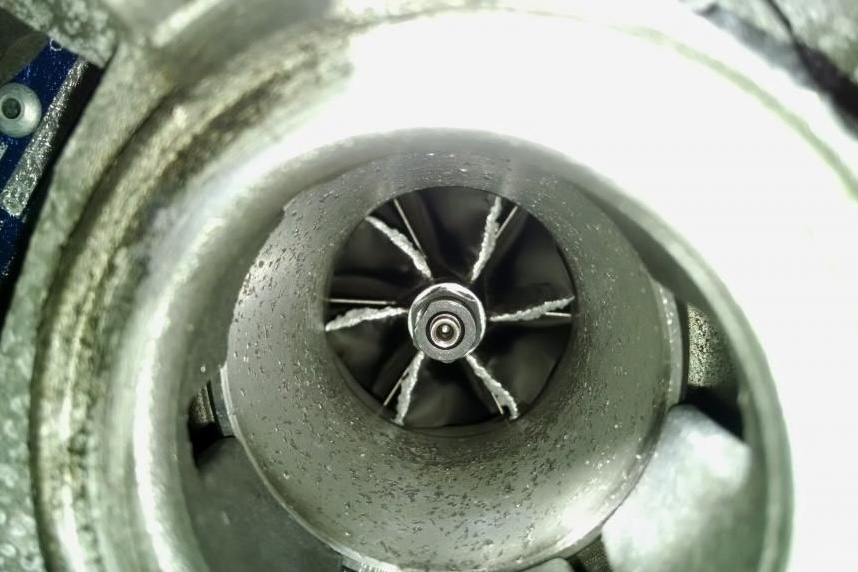
Credit: idpartsblog.com
Signs Of A Failing Turbocharger
Recognizing the signs of a failing turbocharger can save you from costly repairs and unsafe driving conditions. Your car’s turbocharger plays a vital role in boosting engine power and efficiency. When it starts to break down, you’ll notice specific changes that hint at trouble ahead.
Unusual Noises And Smoke
One of the first things you might notice is strange sounds coming from under the hood. A whining or grinding noise can indicate damaged turbo bearings or a worn-out shaft. If you see thick blue or black smoke coming from the exhaust, it’s a clear signal that oil is leaking into the combustion chamber.
Have you ever heard a high-pitched whistle that wasn’t there before? It could be your turbo struggling to maintain pressure. Ignoring these noises can lead to complete turbo failure, leaving you stranded.
Loss Of Power And Performance
Your vehicle may start to feel sluggish, especially during acceleration. This drop in power means the turbocharger isn’t compressing air as it should. You might notice your car hesitates or struggles to reach higher speeds.
Driving with a failing turbo can feel like pushing a car with a flat tire. It’s frustrating and unsafe. Catching this early helps maintain your car’s performance and prevents further engine damage.
Increased Exhaust Emissions
A failing turbocharger often causes your car to emit more pollutants. Excessive black smoke or a strong fuel smell can indicate improper combustion due to turbo issues. This not only harms the environment but also means your vehicle may fail emissions tests.
Pay attention if you suddenly need to refill fuel more often. A malfunctioning turbo can reduce fuel efficiency significantly. Isn’t it better to address these signs before your fuel costs skyrocket?

Credit: www.cashforcars.de
Risks Of Driving With A Busted Turbo
Driving with a busted turbocharger carries serious risks. The turbocharger helps your engine run smoothly and efficiently. Without it, the engine struggles and can suffer damage. Ignoring these risks can lead to expensive repairs and unsafe driving conditions. Understanding the main dangers helps you decide what to do next.
Engine Damage Possibilities
A broken turbocharger can cause severe engine damage. The engine may overheat due to poor air flow. Metal debris from the turbo can enter the engine. This can scratch and damage internal parts. The engine oil may also get contaminated. These issues reduce engine life and lead to costly fixes.
Reduced Fuel Efficiency
The turbocharger boosts fuel efficiency by improving combustion. Without it, your car uses more fuel to perform the same tasks. This means frequent trips to the gas station. Poor fuel efficiency also increases emissions. Your car’s overall performance drops, making driving less smooth and more expensive.
Potential Safety Hazards
A busted turbo can create safety risks on the road. Engine stalling or loss of power can happen suddenly. This can be dangerous in traffic or on highways. Smoke or strange noises may distract or alarm other drivers. Faulty turbochargers can also increase engine temperature, risking fire hazards. Safety should always be a priority when the turbo is damaged.
Estimating Driving Time After Turbo Failure
Estimating how long your car can drive with a busted turbocharger is tricky. The answer depends on several factors, including the severity of the damage and how you drive afterward. Understanding these elements can help you make safer decisions and avoid more costly repairs.
Factors Influencing Longevity
Your driving time after turbo failure depends on:
- Extent of Damage:A cracked turbine blade means a shorter lifespan than a clogged wastegate.
- Driving Habits:Gentle driving with low RPMs can stretch the car’s usability compared to aggressive acceleration.
- Engine Type:Some engines tolerate turbo failure better, especially if they have good cooling systems.
- Maintenance History:Well-maintained cars might run longer despite turbo issues.
Think about how you noticed the turbo problem. Was it a sudden loss of power or a slow decline? Your observation can hint at how much longer you can keep driving.
Short-term Vs Long-term Impact
In the short term, a busted turbo might just cause lower power and increased smoke. You may still drive a few miles or even a few days if you keep the engine load light.
Over time, however, driving with a failed turbo can lead to serious engine damage. Oil leaks from the turbo can contaminate the engine, causing wear and overheating. This can turn a simple repair into an engine rebuild.
Ask yourself: Is the temporary convenience worth the risk of a bigger bill down the road? Your answer can guide your decision on how far to drive.
When To Seek Immediate Repair
Some signs mean you should stop driving immediately and get your turbo repaired:
- Unusual noises like whining or grinding
- Excessive smoke from the exhaust
- Loss of oil pressure or visible leaks
- Warning lights on the dashboard
If you notice any of these, continuing to drive could cause permanent engine damage. Getting it fixed right away saves money and keeps you safe.
Credit: www.coloradofans.com
Frequently Asked Questions
How Long Can You Drive With A Busted Turbocharger?
Driving time varies, but usually only a few miles to avoid severe damage. A busted turbo reduces engine power and efficiency. Prolonged driving can cause engine overheating or further mechanical failures. It’s best to get repairs immediately to prevent costly damage.
What Symptoms Indicate A Failing Turbocharger?
Common signs include loss of power, excessive smoke from the exhaust, strange noises, and increased oil consumption. You might also notice poor acceleration or a loud whining sound. Early detection helps prevent further engine damage and costly repairs.
Can A Car Run Without A Turbocharger?
Yes, but performance and fuel efficiency will significantly decrease. The engine will lose power as it depends on the turbo for extra boost. Driving without a functioning turbo is not recommended for long distances or heavy loads.
Is It Safe To Drive With A Damaged Turbocharger?
No, it’s unsafe as the engine can overheat or suffer severe damage. Driving with a busted turbo can lead to oil leaks and engine failure. Immediate inspection and repair are crucial to avoid costly repairs.
Conclusion
A busted turbocharger can limit how far your car can drive safely. Driving too long may cause more engine damage and costly repairs. It’s best to fix the turbocharger quickly to avoid bigger problems. Keep an eye on engine performance and strange noises.
Small issues today can turn into big troubles tomorrow. Taking care of your car helps it last longer and run better. Don’t ignore warning signs; act before the problem grows. Your car deserves attention and proper care for safe driving.