
Imagine your electric car suddenly catching fire. What would you do?
Knowing how to safely and quickly put out an electric car fire could save lives and protect your property. Fires involving electric vehicles are different from regular car fires, and using the wrong method can make things worse. You will learn clear, step-by-step actions to take if your electric car ever catches fire.
Stay with us, and empower yourself with the knowledge that could make all the difference in an emergency.

Credit: www.youtube.com
Recognizing Electric Car Fires
Electric car fires can be dangerous and different from traditional car fires. Recognizing these fires early helps in taking the right action. Knowing the signs of battery involvement and how these fires differ is important for safety. This section explains key points to identify electric car fires quickly.
Signs Of Battery Involvement
- Strong, sharp chemical smell near the fire
- Bright, intense flames with blue or green hues
- Thick, dense smoke that is white or gray
- Visible sparks or small explosions from the battery area
- Fire source often near the bottom or under the car
Differences From Traditional Vehicle Fires
- Electric fires burn hotter and last longer
- They produce less visible flames but more smoke
- Battery fires can reignite after appearing out
- Water may not always cool the battery fire effectively
- Traditional fires often start in the engine or fuel tank
Safe Extinguishing Methods
Handling an electric car fire demands care and the right knowledge. Using safe extinguishing methods protects you and helps stop the fire quickly. Electric vehicle fires differ from regular fires. They require specific tools and actions to control effectively.
Using The Right Fire Extinguisher
Choose a fire extinguisher rated for electrical fires. Class C extinguishers work best on electric car fires. These extinguishers use non-conductive agents that do not carry electricity. Dry chemical extinguishers are also effective. They stop the fire without causing more harm.
Never use a regular water extinguisher on an electric fire. Using the right extinguisher lowers risk of electric shock. It also helps stop the fire faster and safer. Know where your fire extinguisher is before an emergency happens.
Avoiding Water And Other Hazards
Water can cause electric shock or spread the fire. Avoid spraying water directly on the electric car fire. Water reacts badly with lithium-ion batteries inside electric cars. It may cause explosions or release toxic gases.
Stay clear of smoke and toxic fumes from burning batteries. Cover your mouth with a cloth or mask if near smoke. Keep a safe distance while calling emergency services. Firefighters have special training and tools for these fires.
Emergency Response Steps
Facing an electric car fire can be overwhelming. Knowing how to respond quickly and effectively can save lives and minimize damage. The key lies in clear emergency steps that prioritize safety and swift action.
Evacuating The Area
Your first priority is to get everyone away from the vehicle. Electric car fires can release toxic fumes and risk explosions.
Move at least 100 feet away, and warn others to keep a safe distance. Remember, the fire can spread or cause battery cells to rupture unexpectedly.
Ask yourself: Have you checked if everyone is accounted for before proceeding with further action?
Contacting Fire Services
Call emergency services immediately. Provide clear details about the fire and mention that it involves an electric vehicle.
Emergency responders need this information to prepare the right equipment and approach. Avoid trying to extinguish the fire yourself unless you have proper training and a suitable extinguisher.
Keeping calm during the call helps ensure you relay all critical information efficiently.
Post-fire Safety Precautions
After the fire is out, do not approach the vehicle until professionals declare it safe. Electric vehicle batteries can reignite hours or even days later.
Inform your insurance company and follow their guidance for inspections and repairs. Keep in mind that improper handling after the fire can cause further hazards.
Have you planned where to safely store the vehicle post-fire to avoid risks to others?
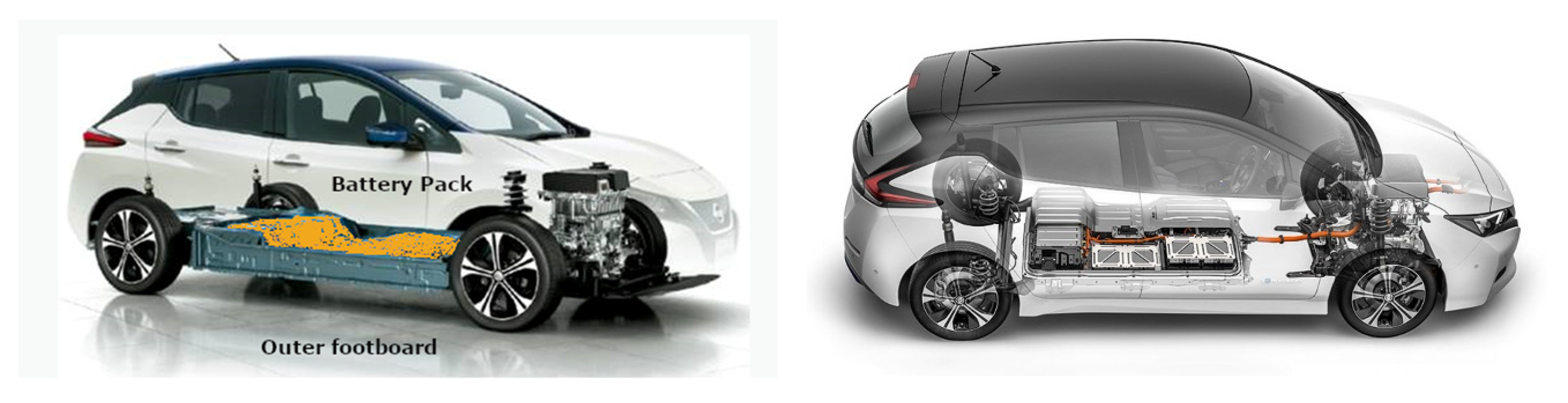
Credit: www.mdpi.com
Credit: www.speakev.com
Frequently Asked Questions
How Do You Safely Extinguish An Electric Car Fire?
Use a Class D or CO2 fire extinguisher for electric car fires. Avoid water as it can conduct electricity. Call emergency services immediately and keep a safe distance while waiting for professionals.
What Causes Electric Car Fires To Start?
Electric car fires often start due to battery malfunctions, short circuits, or physical damage. Overheating and manufacturing defects can also cause fires. Proper maintenance reduces fire risks significantly.
Can Water Be Used To Put Out Electric Car Fires?
Water is generally not recommended for electric car fires. It can conduct electricity and increase shock risk. Use specialized extinguishers like CO2 or dry powder designed for electrical fires.
How Long Does It Take To Extinguish An Electric Car Fire?
Extinguishing an electric car fire can take 30 minutes or longer due to battery re-ignition risks. Firefighters often monitor for flare-ups even after visible flames are out.
Conclusion
Electric car fires need quick and careful action. Use a Class D fire extinguisher if available. Keep a safe distance and call emergency services right away. Never use water on electric fires; it can cause shock. Knowing basic steps can protect you and others.
Stay calm and act fast to reduce damage. Safety comes first in all fire situations. Always follow local guidelines and expert advice. Being prepared helps you handle electric car fires better. Remember, your safety matters most in emergencies.