
Have you ever wondered how often your car truly needs new tires? Tires are the only part of your vehicle touching the road, so their condition directly affects your safety and driving comfort.
But knowing when to replace them isn’t always obvious. If you wait too long, you risk accidents or costly repairs. Replace them too soon, and you might waste money. You’ll discover simple signs and expert tips that help you decide the perfect time for new tires.
Keep reading to protect yourself, your passengers, and your wallet.

Credit: www.reddit.com
Signs You Need New Tires
Knowing the signs that your car needs new tires can keep you safe on the road. Tires wear out over time and lose their grip. Detecting these signs early helps avoid accidents and costly repairs.
Tread Depth And Wear Patterns
Tread depth shows how much life is left in your tires. Tires with shallow tread lose traction on wet roads. Use a tread depth gauge or the penny test to check.
Uneven wear patterns also signal tire problems. Worn edges or bald spots mean the tires do not contact the road properly. This may indicate alignment or inflation issues.
Visible Damage And Cracks
Look closely for cuts, bulges, or cracks on the tire surface. Damage weakens the tire structure and can cause blowouts. Cracks in the sidewall often result from aging or sun exposure.
Any visible damage means a tire should be inspected by a professional. Driving on damaged tires is risky and unsafe.
Performance Issues
Notice changes in how your car drives. Tires needing replacement may cause vibrations or pulling to one side. Braking distances may increase, especially on wet or slippery roads.
Reduced fuel efficiency can also point to tire problems. Old or worn tires increase rolling resistance, making the engine work harder.
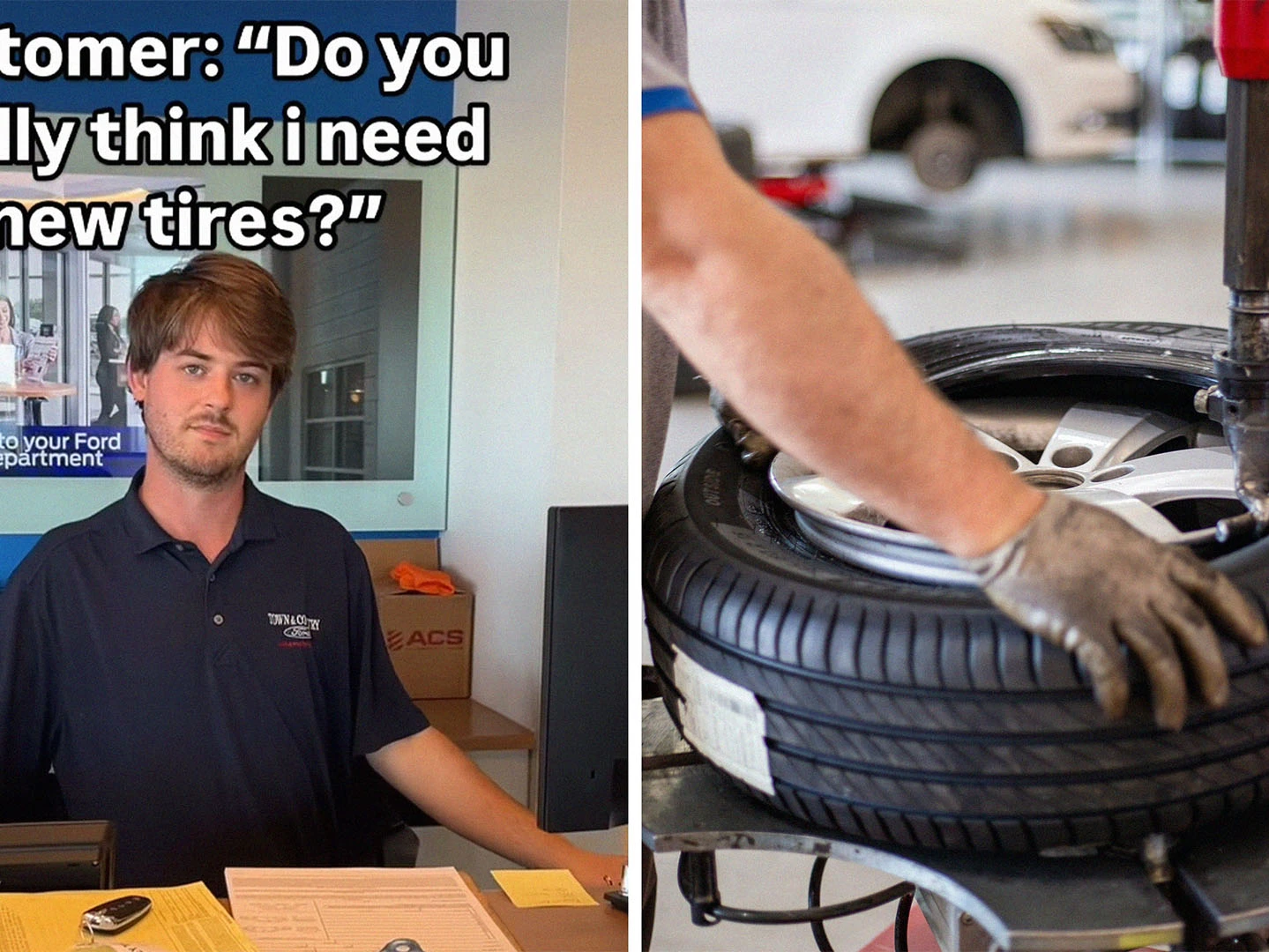
Credit: www.motor1.com
Factors Influencing Tire Lifespan
The lifespan of your car tires depends on several important factors that go beyond just the number of miles driven. Understanding these influences can help you predict when to replace your tires, ensuring safety and better performance. Let’s break down the main elements that affect how long your tires last.
Driving Habits And Conditions
Your driving style plays a huge role in tire wear. If you often accelerate quickly, brake hard, or take sharp turns, your tires wear out faster. Also, driving on rough roads, gravel, or potholes can cause damage that shortens tire life.
Think about your daily routes: Are you mostly on smooth highways, or do you face stop-and-go traffic in the city? Tires on city cars usually wear out quicker due to frequent stops and starts. Have you noticed uneven tire wear after a trip through rough terrain? That’s a sign these conditions stress your tires more than usual.
Tire Quality And Type
Not all tires are created equal. High-quality tires made from durable materials often last longer than budget options. The type of tire also matters—performance tires designed for speed tend to wear out faster than all-season tires built for durability.
Consider the tires on your car right now. Are they suited to your driving needs and environment? For instance, if you live in a snowy area but use summer tires year-round, you might be wearing them out prematurely. Choosing the right tire for your conditions can save you money and hassle.
Maintenance Practices
Regular maintenance is key to extending tire life. Simple habits like checking tire pressure monthly and rotating tires every 5,000 to 7,000 miles help ensure even wear. Neglecting these tasks can lead to premature replacement.
When was the last time you checked your tire pressure? Many drivers forget this step, but underinflated tires wear unevenly and reduce fuel efficiency. Also, alignment issues can cause uneven tread wear. Getting your wheels aligned can add thousands of miles to your tires’ life.
Recommended Tire Replacement Intervals
Knowing the right time to replace your car tires can save you money and keep you safe on the road. Recommended tire replacement intervals vary depending on several factors, but understanding these can help you avoid unexpected blowouts or poor traction. Let’s break down the key guidelines to help you decide when your tires need a change.
Manufacturer Guidelines
Most tire manufacturers suggest replacing tires every 6 years, regardless of tread wear. However, many also recommend checking tires after 3 to 4 years for any signs of cracking or dry rot. You can find specific information on tire lifespan in your vehicle’s owner manual or on the tire sidewall itself.
Have you ever noticed the DOT code on your tires? It shows the week and year the tire was made. This can help you track the age of your tires even if the tread looks fine.
Seasonal Considerations
Seasonal changes impact tire performance and lifespan. Winter tires, for example, often wear out faster due to softer rubber compounds designed for cold weather grip. If you switch between summer and winter tires, you might find yourself replacing the winter set more frequently.
Consider how much you drive in harsh conditions like snow, ice, or heavy rain. These conditions can accelerate tire wear. Are your tires optimized for the season you’re driving in? If not, it might be time to rethink your tire strategy.
Professional Inspections
Regular tire inspections by a professional can catch issues before they become dangerous. Experts look for uneven wear, sidewall damage, and tread depth below the safe limit of 2/32 inches. They can also check for alignment problems that cause premature tire wear.
Don’t wait until you feel a vibration or notice poor handling to get your tires checked. Scheduling inspections every 6,000 to 8,000 miles can keep you ahead of potential problems and extend the life of your tires.

Credit: www.libertytiresla.com
Frequently Asked Questions
How Often Should Car Tires Be Replaced?
Car tires typically need replacement every 25,000 to 50,000 miles. Factors like driving habits and road conditions affect this. Regularly check tread depth and tire condition to determine the right time for new tires.
What Are The Signs Of Worn-out Tires?
Look for tread wear, cracks, bulges, and uneven wear patterns. Reduced traction and frequent air pressure loss also indicate worn tires. Replace tires promptly to maintain safety and performance.
Can Tire Age Affect Safety Even If Tread Looks Fine?
Yes, tire rubber degrades over time. Experts recommend replacing tires every 6 to 10 years, regardless of tread. Old tires can lead to blowouts and reduced grip, risking your safety on the road.
How Does Tire Maintenance Impact Tire Lifespan?
Proper maintenance like regular rotation, balancing, and inflation extends tire life. Neglecting these can cause uneven wear and early replacement. Consistent care ensures optimal performance and saves money in the long run.
Conclusion
Tires wear out over time and with use. Most cars need new tires every 25,000 to 50,000 miles. Check your tire tread and pressure often. Worn tires can cause accidents and reduce fuel efficiency. Drive safely by changing tires when needed.
Regular tire care helps your car perform well. Stay alert to signs like uneven wear or cracks. Safe tires mean safer trips for you and your passengers. Keep your car running smoothly by replacing tires on time.