
Are you wondering how to keep your front-wheel-drive car running smoothly and safely? One simple step you can take is rotating your tires regularly.
But how do you rotate tires on a front-wheel-drive car the right way? Doing it correctly can save you money, improve your car’s handling, and extend the life of your tires. You’ll discover easy-to-follow tips that make tire rotation a quick and stress-free task—even if you’re not a car expert.
Keep reading to learn exactly what you need to do to protect your investment and drive with confidence.

Credit: www.bfgoodrichtires.com
Tools Needed
Rotating tires on a front-wheel-drive car is a straightforward job, but having the right tools makes it safer and easier. You don’t want to start this task only to realize you’re missing something essential. Gathering the correct equipment beforehand saves time and keeps your tires in good shape.
Jack And Jack Stands
A sturdy jack is necessary to lift your car off the ground. Don’t rely on a simple scissor jack; a hydraulic floor jack offers more stability and ease of use. Once the car is lifted, jack stands provide a secure hold, preventing any accidents while you work underneath.
Lug Wrench Or Impact Wrench
You’ll need a lug wrench to loosen and tighten the wheel nuts. A cross-shaped lug wrench offers good leverage, but an impact wrench can speed up the process if you have one. Just remember to tighten the lug nuts in a star pattern for even pressure.
Tire Pressure Gauge And Air Compressor
Checking and adjusting tire pressure is often overlooked. After rotating your tires, use a tire pressure gauge to ensure each tire is inflated to the recommended level. An air compressor will help you add air quickly if needed.
Wheel Chocks
Safety first—wheel chocks keep your car from rolling while it’s jacked up. Placing them behind the rear wheels is a simple step that can prevent dangerous slips. Have a pair ready before you start lifting the vehicle.
Gloves And Protective Gear
Rotating tires can get dirty and your hands might get scratched. Wearing gloves protects your skin and improves grip on tools and tires. Eye protection is also a good idea if you’re working in a dusty or cluttered area.
Credit: www.michelin.ca
Preparation Steps
Preparing to rotate the tires on your front-wheel-drive car sets the stage for a smooth and safe process. Skipping or rushing these steps can lead to problems down the road, like uneven tire wear or even injury. Taking a few moments upfront can save you time and money later.
Gather The Right Tools
Before you start, make sure you have all the necessary tools within reach. You’ll need a reliable jack, jack stands for safety, a lug wrench, and possibly a torque wrench to tighten the lug nuts correctly. Having everything ready prevents interruptions and keeps you focused on the task.
Find A Safe And Level Workspace
Choose a flat, stable surface to work on—ideally a garage or driveway. Avoid soft ground or slopes where the car could shift or fall. Safety is key, so ensure the area is well-lit and free from distractions.
Check Your Tire Pressure
Inspect each tire’s air pressure and adjust it to the recommended level before rotating. Proper inflation helps you identify any existing issues and ensures even wear after the rotation. You might spot a slow leak early by taking this simple step.
Review Your Car’s Owner Manual
Your vehicle’s manual contains specific guidance on tire rotation patterns and torque specifications. Following these recommendations keeps your car running smoothly and maintains warranty coverage. It’s a small step that many skip, but it can make a big difference.
Loosen The Lug Nuts Slightly
Before lifting the car, loosen the lug nuts on each wheel just enough to break their resistance. Doing this while the car is still on the ground prevents the wheels from spinning and makes removal easier later. Remember, don’t remove them completely yet.
Have you ever started a repair and realized halfway through you didn’t have the right tools? Preparing thoroughly prevents that frustration and keeps your tire rotation on track.
Tire Rotation Process
The tire rotation process is a key part of maintaining your front-wheel-drive car’s performance and safety. Rotating your tires regularly helps even out tire wear, which can improve traction and extend tire life. It’s a simple task that anyone can do with the right guidance and tools.
Front To Rear Swap
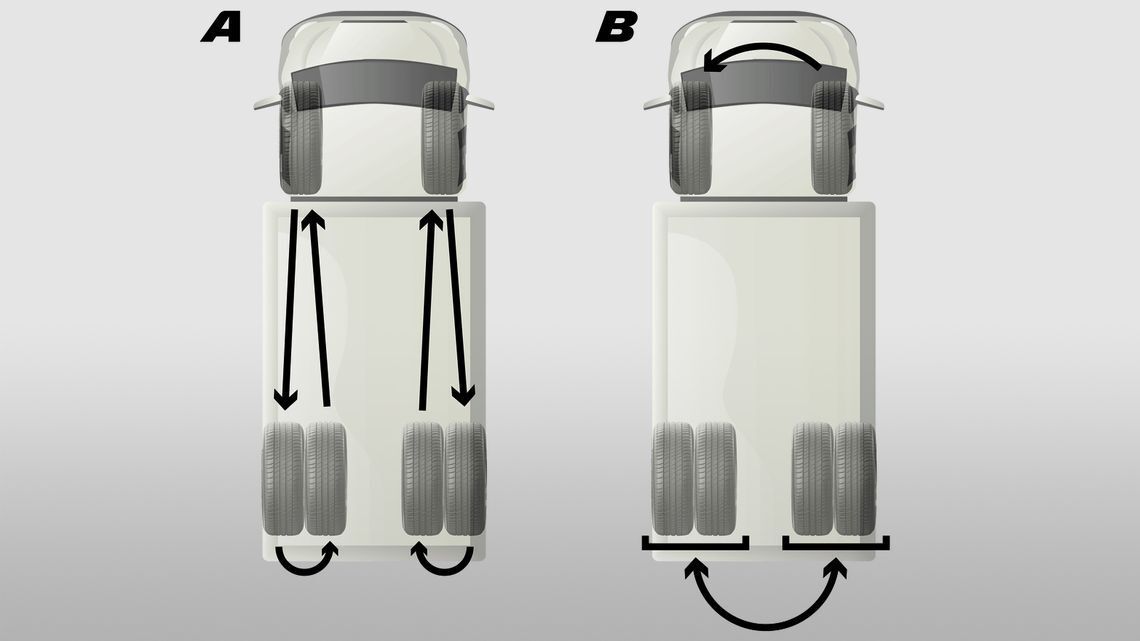
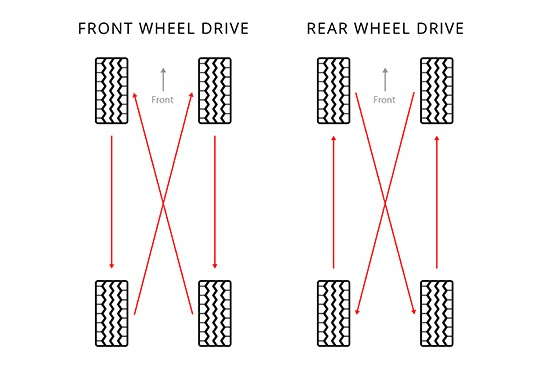
For front-wheel-drive vehicles, the most common rotation pattern involves swapping the front tires with the rear tires on the same side. This means the left front tire moves to the left rear, and the left rear tire moves to the left front. The same switch happens on the right side.
This swap helps balance the wear, since front tires usually wear faster from steering and power delivery. Remember, on a front-wheel-drive car, the front tires handle most of the work, so moving them to the back gives them a chance to rest and wear more evenly.
Tightening And Safety Checks
After placing your tires in their new positions, it’s crucial to tighten the lug nuts properly. Use a torque wrench if you have one, following your car manufacturer’s recommended torque settings. Tightening lug nuts by hand or with a regular wrench can lead to uneven pressure and unsafe driving conditions.
Once the lug nuts are secured, lower the car and give each tire a final check. Spin them to listen for unusual noises and inspect for any signs of damage. Ask yourself: does the car feel balanced when you drive after the rotation? If anything feels off, it might be worth consulting a professional.
Credit: www.autoblog.com
Frequently Asked Questions
How Often Should I Rotate Tires On A Front-wheel-drive Car?
You should rotate tires every 5,000 to 7,500 miles. This maintains even tire wear and extends tire life. Always check your vehicle’s manual for specific recommendations.
What Is The Best Tire Rotation Pattern For Front-wheel-drive Cars?
The recommended pattern is the forward cross. Move front tires straight back and switch rear tires diagonally. This balances wear and improves handling.
Can I Rotate Tires Myself Or Need A Mechanic?
You can rotate tires yourself with basic tools and knowledge. Ensure proper safety measures and follow the rotation pattern. Otherwise, a mechanic can do it quickly and safely.
Why Is Tire Rotation Important For Front-wheel-drive Vehicles?
Tire rotation prevents uneven wear on driven front tires. It improves traction, fuel efficiency, and safety. Regular rotation also helps maximize tire lifespan.
Conclusion
Rotating tires on a front-wheel-drive car keeps them wearing evenly. This helps your car drive safer and last longer. Check your tires regularly and rotate them every 5,000 to 7,000 miles. Use the right pattern for front-wheel-drive vehicles. Taking time to do this saves money on new tires.
Plus, it improves your car’s performance on the road. Simple steps make a big difference in tire health. Keep your car running smoothly with regular tire care. Easy to do, worth the effort.