
Have you ever wondered how long it really takes to change car tires? Whether you’re in a hurry or just want to be prepared for emergencies, knowing the time involved can save you stress and keep you safe on the road.
You’ll discover the typical time it takes, tips to speed up the process, and what tools you need to get the job done right. Keep reading to make sure you’re ready the next time you face a flat tire or seasonal tire change.
Credit: www.morisoninsurance.ca
Time Factors For Tire Change
Changing car tires takes different amounts of time. Several factors influence how fast or slow the job goes. Knowing these helps you plan better and avoid surprises.
Tools And Equipment Needed
Having the right tools saves time. Basic tools include a jack, lug wrench, and wheel chocks. Power tools can speed up the process. Missing tools cause delays and extra effort.
Experience Level Impact
Skilled people change tires quickly. They know the steps and handle tools well. Beginners take longer and may need help. Practice improves speed and confidence.
Type Of Vehicle
Different vehicles affect tire change time. Small cars are easier and faster. Large trucks or SUVs need more work and strength. Some cars have special fasteners or parts that slow the process.
Step-by-step Tire Change Process
Changing car tires involves a clear and simple process. Each part of the task builds on the last. Following each step carefully ensures safety and efficiency. This guide breaks down the process into easy actions anyone can follow. Understanding these steps helps save time and avoid mistakes.
Preparing The Car And Workspace
Park the car on a flat, stable surface. Apply the parking brake to keep the car still. Place wheel chocks or heavy objects behind tires. Gather all tools: jack, lug wrench, and new tires. Keep everything close to avoid moving around. Wear gloves for better grip and hand protection.
Removing The Old Tire
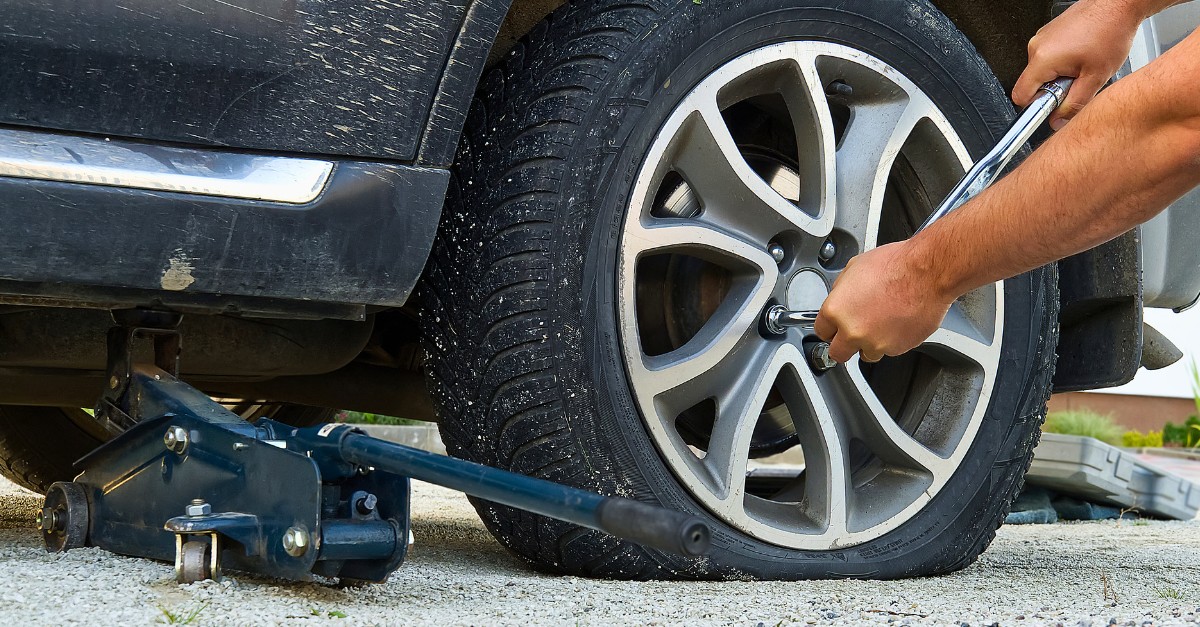
Loosen the lug nuts slightly before lifting the car. Use the jack to raise the car until the tire is off the ground. Remove the lug nuts completely and keep them safe. Pull the tire straight off the wheel hub. Inspect the wheel for any damage or dirt. Clean the area if needed before placing the new tire.
Installing The New Tire
Align the new tire with the wheel hub carefully. Push it firmly onto the hub until it fits securely. Hand-tighten the lug nuts to hold the tire in place. Lower the car slowly back to the ground using the jack. Use the lug wrench to tighten the nuts in a star pattern. Check each nut twice to ensure they are tight enough.
Tips For Speeding Up The Process
Changing car tires faster doesn’t just save you time; it also reduces stress during unexpected flats. Small adjustments in how you prepare and work can make a big difference. Let’s look at some practical tips that help you get the job done swiftly without compromising safety.
Organizing Tools In Advance
Gather all necessary tools like the jack, lug wrench, and spare tire before you start. Keep them in one easy-to-reach place in your car. This way, you won’t waste precious minutes searching for items when time is critical.
Consider using a tool bag or box to keep everything together. When I first started changing tires, I’d scramble around my trunk looking for the jack handle. After organizing my tools, I cut my tire change time almost in half.
Practicing Safety Measures
Speed is important, but safety should never be sacrificed. Make sure your car is on stable, flat ground and the parking brake is engaged before lifting the vehicle. Wearing gloves can improve grip and protect your hands from dirt and sharp edges.
Setting up wheel wedges behind the tires prevents the car from rolling. This small step adds seconds but prevents accidents, keeping you safe and confident to work quickly.
Regular Maintenance Checks
Check your spare tire’s pressure and condition regularly. A flat or damaged spare can turn a quick tire change into a long ordeal. Also, test your jack and lug wrench occasionally to ensure they work smoothly.
Keeping your tools and spare in good shape means fewer surprises when you need them most. Could your next tire change be smoother just by paying attention to these details now?

Credit: technologydrifts.com

Credit: www.infinitidanbury.com
Frequently Asked Questions
How Long Does It Take To Change One Car Tire?
Changing one car tire typically takes about 10 to 15 minutes. This includes loosening lug nuts, removing the old tire, mounting the new one, and tightening the nuts securely. Experienced mechanics or roadside services may complete it faster.
What Factors Affect The Time To Change Car Tires?
Tire change time depends on tools used, vehicle type, and skill level. Wheel alignment, rusted bolts, or heavy tires can increase the time. Using a professional tire changer or jack tools speeds up the process.
Can I Change Car Tires Faster With Proper Tools?
Yes, using an impact wrench, hydraulic jack, and torque wrench speeds up tire changes. Proper tools reduce effort and time significantly, making the process safer and more efficient for both DIYers and professionals.
How Long Does A Professional Tire Change Usually Take?
Professionals often change all four tires in 20 to 30 minutes. Their expertise, specialized tools, and teamwork make the process quicker and more reliable than DIY attempts.
Conclusion
Changing car tires usually takes about 15 to 30 minutes. This depends on tools, experience, and car type. Knowing the right steps helps you save time and stay safe. Practice makes the process faster and easier. Always check tire pressure after changing tires.
Regular tire care improves driving and tire life. Keep a spare tire and tools ready for emergencies. Taking small precautions can prevent bigger problems later. Tire changing is simple with the right knowledge and preparation.