
Changing the oil in your car might seem like a tough job, but it’s easier than you think. Knowing how to do this yourself can save you time and money, while keeping your engine running smoothly.
Imagine the confidence you’ll feel when you take control of your car’s care. In this guide, you’ll learn simple steps to change your oil quickly and safely. Ready to give your car the attention it deserves? Let’s get started!
Gathering Tools And Materials
Before you dive under the hood, getting the right tools and materials together makes the oil change smoother and less frustrating. Having everything on hand saves you from those annoying mid-task trips to the store. Plus, using the correct supplies protects your car’s engine and keeps it running longer.
Essential Tools Needed
You don’t need a garage full of equipment to change your oil, but a few key tools are must-haves. A wrench or socket set will help you remove the drain plug easily.
- Oil drain pan:To catch the old oil and avoid spills.
- Funnel:For pouring new oil without making a mess.
- Car jack and stands:To lift your car safely if the oil drain plug is hard to reach.
- Gloves and rags:To keep your hands clean and wipe up drips.
Think about your workspace too. Do you have enough light and room to work comfortably? These small details can make a big difference in your experience.
Choosing The Right Oil And Filter
Your car’s manual is the best guide for picking the correct oil type and filter. Using the wrong oil can cause engine damage or reduce performance.
Look for the recommended oil viscosity, like 5W-30 or 10W-40, and whether synthetic or conventional oil is advised. Synthetic oils often last longer and perform better in extreme temperatures, but they can cost more.
Oil filters vary by make and model, so buy one that fits your vehicle exactly. It’s tempting to grab the cheapest option, but a quality filter traps dirt better and protects your engine more effectively.

Credit: pedalcommander.com
Preparing Your Car
Preparing your car before an oil change is crucial to ensure the process is smooth and safe. Skipping these steps can lead to accidents or make the task harder than it needs to be. Taking a few moments to get your vehicle ready sets you up for success.
Parking And Safety Measures
First, park your car on a flat, stable surface. Avoid slopes or uneven ground to prevent your vehicle from rolling or shifting unexpectedly.
Engage the parking brake firmly. This adds an extra layer of security while you work underneath your car.
Consider using wheel chocks or blocks behind the tires for additional stability. Have a friend nearby if possible—someone to assist or call for help if needed.
Wear gloves and safety glasses to protect your hands and eyes from hot oil or debris. Safety shouldn’t be an afterthought.
Locating The Oil Components
Open your car’s hood and find the oil filler cap. It usually has a symbol of an oil can on it, but check your owner’s manual if unsure.
Next, locate the oil dipstick. Pull it out, wipe it clean, then reinsert it to check your current oil level. This simple step gives you a baseline before draining old oil.
Underneath the car, identify the oil drain plug and the oil filter. These parts can look different depending on your vehicle model, so having your manual handy is helpful.
Knowing exactly where these components are saves time and prevents frustration. Have you ever started a project only to realize you didn’t know where key parts were? Avoid that by preparing first.
Draining And Replacing Oil
Draining and replacing the oil is a crucial part of maintaining your car’s engine health. It ensures that old, dirty oil is removed and fresh oil takes its place, keeping your engine running smoothly and efficiently. Let’s break down the essential steps you need to follow to get this done right.
Removing The Old Oil
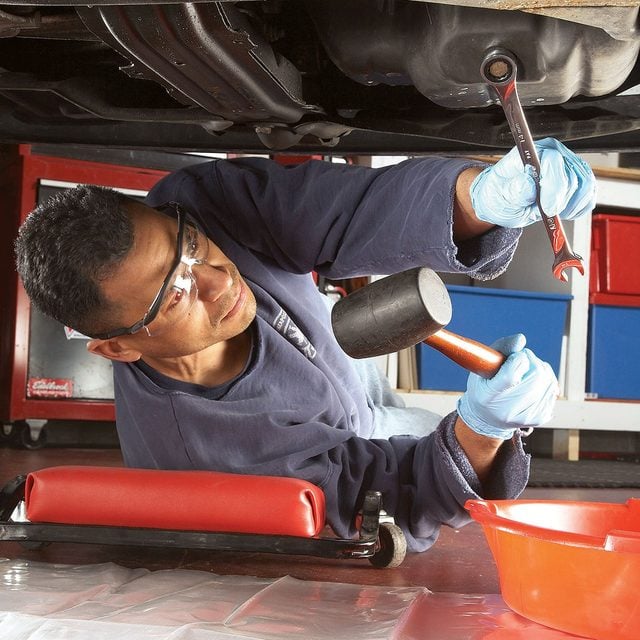
Start by warming up your engine for a few minutes. Warm oil drains faster and more completely. Then, securely lift your car using a jack or ramps to access the oil drain plug underneath.
Place an oil pan beneath the drain plug to catch the old oil. Unscrew the drain plug carefully—watch out for hot oil that might splash. Let all the oil drain out until it’s completely empty.
Changing The Oil Filter
The oil filter traps dirt and debris, so replacing it is just as important as changing the oil. Locate the oil filter and use an oil filter wrench to loosen and remove it.
Before installing the new filter, apply a little fresh oil to its rubber gasket. This helps create a good seal and makes removal easier next time. Screw the new filter into place by hand, then tighten it slightly—don’t over-tighten.
Adding New Oil
Now it’s time to refill your engine with fresh oil. Consult your owner’s manual to find the right oil type and amount for your car.
Use a funnel to pour the oil into the oil filler hole slowly. After filling, check the oil level with the dipstick to ensure it’s just right—too much or too little can cause engine issues.
Have you ever wondered how much a simple oil change could extend your engine’s life? Paying attention to these steps can save you from costly repairs down the road.
Credit: www.familyhandyman.com
Final Checks And Cleanup
After changing your car’s oil, final checks and cleanup are crucial. These steps ensure your engine runs smoothly and your workspace stays safe. Proper finishing saves time and prevents future problems.
Checking Oil Levels
Start by locating the dipstick. Pull it out and wipe it clean with a cloth. Reinsert the dipstick fully, then pull it out again. Check the oil level against the marks on the stick. The oil should be between the minimum and maximum marks. Add more oil if needed. Avoid overfilling, as it can harm the engine. Make sure the oil looks clean and smooth. Dark or gritty oil might need a second change.
Disposing Of Used Oil Properly
Used oil is hazardous and must be handled carefully. Pour the old oil into a clean, sealable container. Never dump oil on the ground or in drains. Take the container to a local recycling center or auto shop. Many places accept used oil for free. Proper disposal protects the environment and local water sources. Keep used filters and rags in a sealed bag before disposal. Clean your tools and workspace with paper towels or rags. Dispose of these materials responsibly to avoid contamination.

Credit: www.youtube.com
Frequently Asked Questions
How Often Should I Change My Car’s Oil?
You should change your car’s oil every 3,000 to 5,000 miles. Check your owner’s manual for exact intervals. Regular oil changes keep your engine running smoothly and prevent damage.
What Tools Are Needed To Change Car Oil?
You need an oil filter wrench, drain pan, socket set, funnel, and new oil. Also, use gloves and rags for cleanliness and safety during the oil change process.
Can I Change My Car’s Oil Myself?
Yes, changing your car’s oil yourself is possible with basic tools. Follow safety steps, drain old oil, replace the filter, and add new oil. It saves money and ensures proper maintenance.
What Type Of Oil Should I Use For My Car?
Use the oil type recommended in your car’s manual. Common types are synthetic, conventional, or blend oils. Choosing the right oil ensures optimal engine performance and longevity.
Conclusion
Changing your car’s oil keeps the engine running smooth. It saves money on repairs later. You only need a few tools and some patience. Follow the steps carefully and take your time. Clean oil helps your car work better and last longer.
Regular oil changes protect your engine from damage. Stay safe by disposing of old oil properly. Now, you can keep your car healthy and strong. Simple, right? Give it a try next time your oil needs a change.