
Are you ready to save time and money by changing your car’s oil yourself? The first step might seem tricky: raising your car safely and securely.
But don’t worry—knowing how to raise your car properly is easier than you think. You’ll discover simple, step-by-step instructions that keep you safe and make the job smooth. Keep reading, and you’ll gain the confidence to handle your next oil change like a pro.

Credit: www.amazon.com
Preparing Your Vehicle
Preparing your vehicle correctly before raising it for an oil change is essential for safety and efficiency. Taking a few moments to gather the right tools, find a safe spot, and secure your car will save you frustration and prevent accidents. Have you ever struggled with a shaky jack or a car that rolls unexpectedly? Proper preparation avoids these common pitfalls.
Gathering Necessary Tools
Before lifting your car, make sure you have all the tools ready and within reach. Essential items include:
- A reliable car jack suitable for your vehicle’s weight
- Jack stands to support the car securely once lifted
- Wheel chocks to prevent rolling
- An oil drain pan to catch the old oil
- Wrenches or socket sets for the drain plug and filter
- Rags or paper towels for spills
Having everything prepared means you won’t interrupt the process once the car is raised.
Choosing A Flat Surface
Always raise your vehicle on a flat, stable surface. Uneven ground increases the risk of the car slipping off the jack or stands. Driveways, garage floors, or parking lots with level concrete or asphalt are ideal.
If you only have access to a sloped area, reconsider the location or use wheel chocks on the downhill side. Can you imagine the danger of a car sliding while you’re underneath it? Avoid that risk at all costs.
Engaging Parking Brake, Ensuring
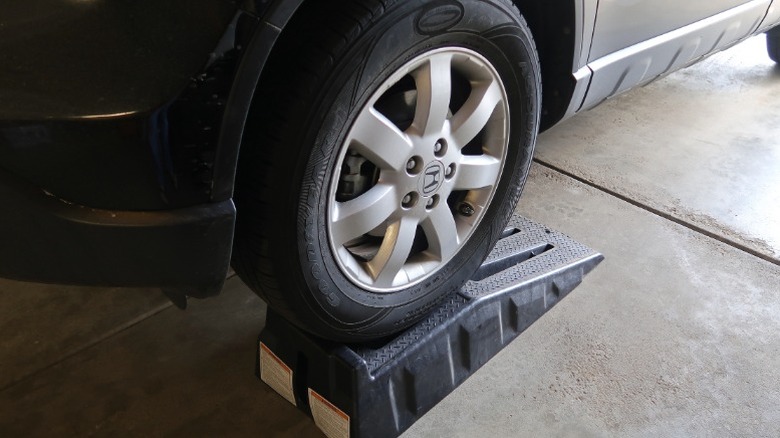
Once your vehicle is parked on a flat surface, engage the parking brake firmly. This simple step locks the rear wheels and prevents any movement while the car is lifted. Double-check that the brake is fully engaged by gently trying to move the vehicle.
Additionally, place wheel chocks behind the wheels that remain on the ground. This creates an extra layer of security. How confident are you in your car’s stability without these precautions? Taking these steps ensures your safety throughout the oil change process.
Credit: www.slashgear.com
Using A Hydraulic Jack
Using a hydraulic jack is one of the most effective ways to lift your car for an oil change. It provides stable support and allows you to work safely underneath your vehicle. Knowing how to use it correctly can save you time and prevent accidents.
Locating Jack Points
Every car has specific jack points designed to handle the weight safely. Look for reinforced areas along the frame or near the wheels. Your vehicle’s owner manual usually highlights these spots clearly.
Using the wrong spot can damage your car’s undercarriage or cause the jack to slip. Have you ever tried lifting a car only to feel it wobble? That’s a sign you missed the correct jack point.
Proper Jack Placement
Once you find the jack point, position the hydraulic jack directly underneath it. Make sure the jack’s saddle — the part that contacts the car — is centered on the point.
Check that the jack is on a flat, solid surface. Avoid soft ground or uneven pavement, as this can cause instability. Placing a wooden block under the jack can add extra support if needed.
Lifting The Car Safely
Start pumping the jack handle slowly and steadily to raise the car. Stop frequently to check the car’s balance and ensure the jack remains stable.
Never put your hands or feet under the car while lifting. Once the vehicle is raised high enough, secure it with jack stands before crawling underneath. This extra step can prevent serious injuries if the jack fails.
Have you prepared all safety tools before lifting? A little extra caution goes a long way in keeping you safe during an oil change.
Using Ramps For Lifting
Using ramps to lift your car for an oil change is a straightforward and safe method if done correctly. Ramps provide a stable incline that raises the front of your vehicle, giving you enough space to work underneath without the hassle of jacks and stands. Before you start, it’s important to understand how to choose, drive onto, and secure your vehicle on ramps to avoid accidents and ensure your safety.
Selecting The Right Ramps
Not all ramps are created equal. Choose ramps that can support your vehicle’s weight comfortably—check the maximum weight rating printed on the product. Consider the height you need; some ramps lift higher than others, providing better access but requiring more care when driving on.
Look for ramps with non-slip surfaces and sturdy construction. Plastic ramps with a solid grip work well for most cars, but metal ramps might be better for heavier vehicles. Think about storage space too; collapsible ramps save room when not in use.
Driving Onto Ramps
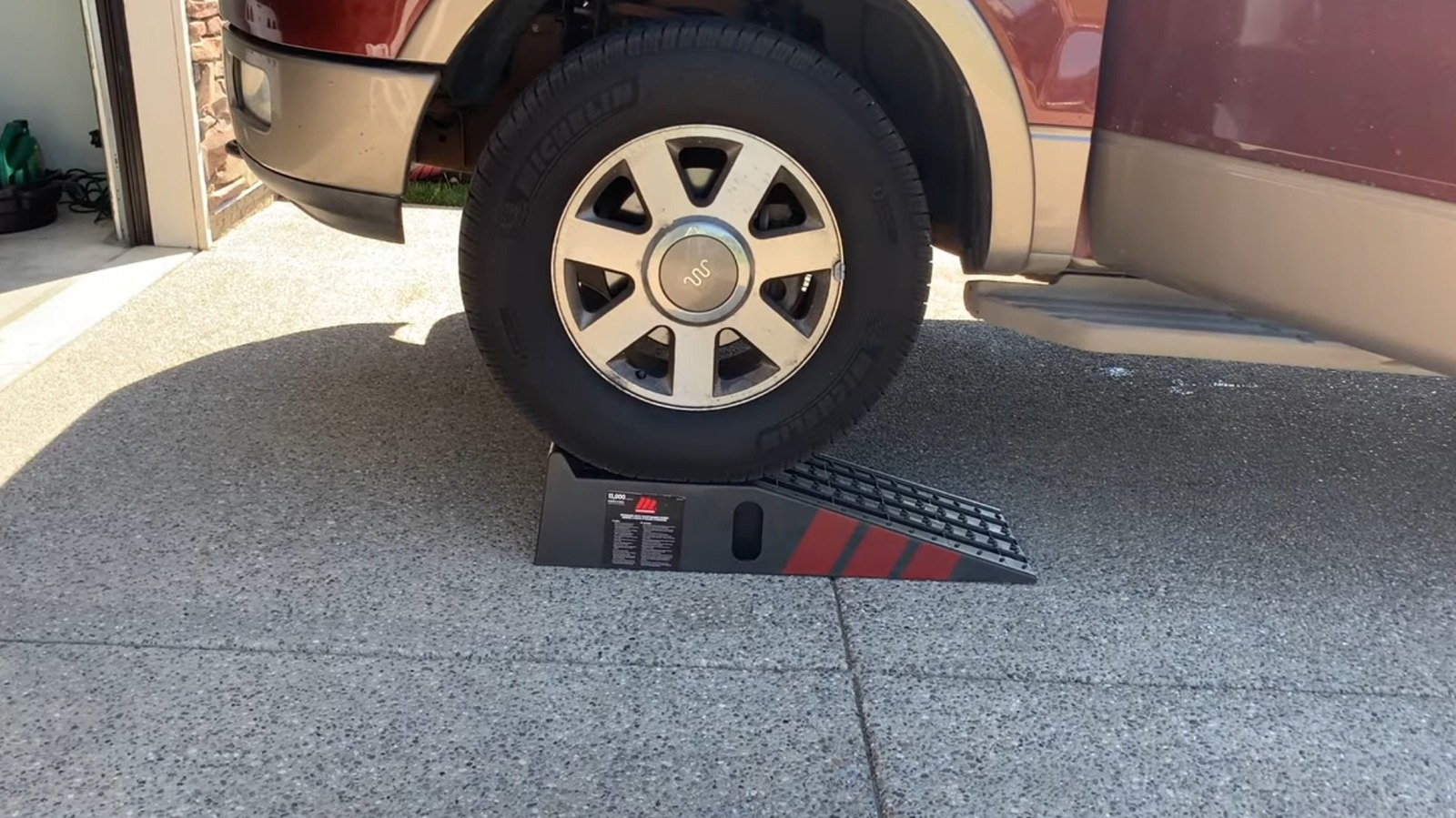
Position the ramps straight in front of your tires on a flat, solid surface. Avoid soft ground or uneven spots that can cause instability. Slowly and carefully drive your car straight up the ramps, keeping your wheels centered.
Don’t rush this step. Use a spotter if possible to guide you. Once your wheels are fully on the ramps, stop and shift the car into park (or first gear if manual) and engage the parking brake.
Securing The Vehicle
Never skip securing your vehicle after it’s on the ramps. Place wheel chocks behind the rear wheels to prevent any rolling. Even if your car is in park, wheel chocks add an extra layer of safety.
Double-check the parking brake and ensure the car feels steady before you get underneath. Safety here isn’t optional—it’s the foundation for a smooth and worry-free oil change.
Credit: www.slashgear.com
Ensuring Safety While Raised
Raising a car for an oil change requires careful attention to safety. A lifted car can be unstable and dangerous without the right precautions. Taking the right steps prevents accidents and protects you during the task.
Using Jack Stands
Jack stands provide strong support under the car. Place them on a flat, solid surface. Position the stands at the manufacturer’s recommended lift points. Lower the car gently onto the stands. Never rely on a jack alone to hold the car up.
Avoiding Common Mistakes
- Do not lift the car on soft or uneven ground.
- Avoid using makeshift supports like bricks or wood blocks.
- Check that the parking brake is set before lifting.
- Never work under a car supported only by a jack.
- Do not rush; take time to set up the stands correctly.
Double-checking Stability
Once the car rests on the stands, test its stability. Gently shake the vehicle to confirm it does not move. Check that all stands sit firmly on the ground. Look under the car to ensure it is level. Stability is key to safe work under the vehicle.
Frequently Asked Questions
How High Should I Raise My Car For An Oil Change?
Raise your car about 6 to 12 inches to access the oil drain plug safely. Use sturdy ramps or jack stands for stability. This height allows easy tool use without risking injury. Always ensure the car is on a flat surface before raising it.
What Tools Do I Need To Raise My Car Safely?
You need a hydraulic jack or car ramps and sturdy jack stands. A flat, level surface is essential. Always use wheel chocks to prevent rolling. Avoid using just a jack; always support your car with jack stands for safety.
Can I Change Oil Without Raising The Car?
Yes, if your car has enough ground clearance, you can use ramps. Some cars allow access from the side without lifting. However, raising the car improves access and safety during oil changes. Always ensure the car is stable before working underneath.
How To Check If The Car Is Securely Raised?
After raising, gently shake the car to test stability. Ensure jack stands are properly positioned under the frame or designated lift points. Never rely solely on a jack. Double-check the surface is level and the car won’t roll or tip.
Conclusion
Raising your car safely helps you change oil without trouble. Always use a flat surface and strong tools. Secure the car with jack stands to avoid accidents. Double-check everything before starting work under the car. Taking these steps saves time and keeps you safe.
Practice these tips to make oil changes easier. Your car will thank you with better performance. Safety first, every time you work on your vehicle. Simple habits bring big results.