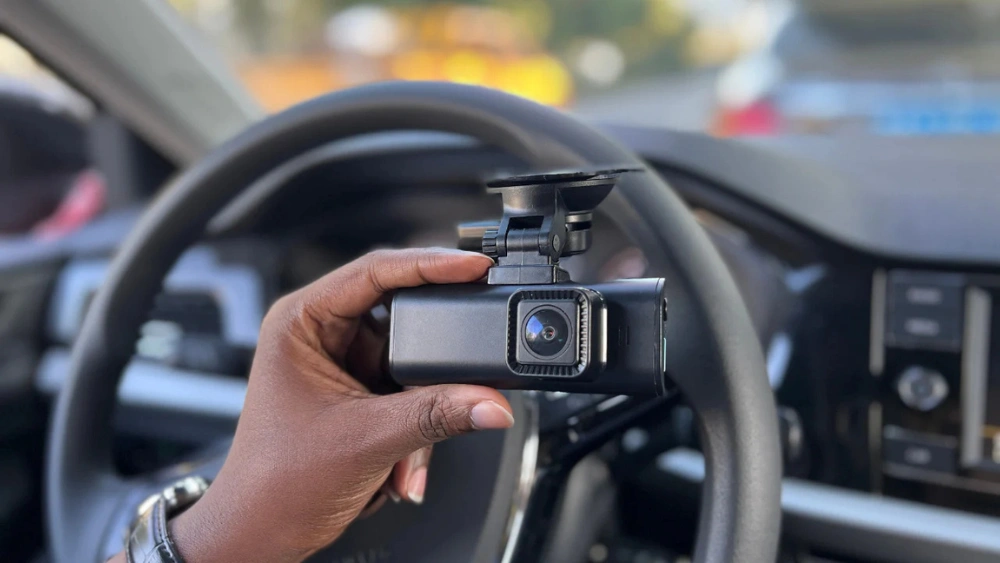
Have you ever wondered what happens to your dash cam when your car is turned off? You might think it simply stops working, but many dash cams have special features that keep them recording even when your engine isn’t running.
This can be a game-changer for protecting your car from hit-and-runs, vandalism, or unexpected accidents in parking lots. If you want to know how your dash cam stays alert and keeps your vehicle safe around the clock, keep reading. Understanding this can help you make the most of your dash cam and give you peace of mind every time you park.

Credit: www.crashservices.com
Dash Cam Power Sources
Dash cams need a power source to work even when the car is off. Different power options keep the camera running to record important events. These power sources vary in how long they last and how they connect to the vehicle. Understanding these options helps choose the right dash cam setup.
Battery Backup
Some dash cams have a built-in battery. This battery powers the camera for a short time after the car is off. It usually lasts a few minutes to capture the last moments. Battery backup is useful for quick saves but does not support long recording.
Hardwiring To Car Battery
Hardwiring connects the dash cam directly to the car’s battery. This allows the camera to work even when the engine is off. The camera can record for hours or days depending on the car battery size. This setup needs a voltage monitor to protect the car battery from draining.
Built-in Capacitors
Some dash cams use capacitors instead of batteries. Capacitors store small amounts of power to safely save video before shutting down. They last longer than batteries and handle heat better. Capacitors are reliable for short power backup but not for long recording.
Parking Mode Features
Parking mode is a crucial feature for dash cams that protects your vehicle even when the engine is off. It keeps the camera active and ready to record any unusual activity around your car. This mode helps capture incidents like vandalism or hit-and-runs, providing valuable evidence for insurance or police reports.
Dash cams use different technologies to monitor your vehicle during parking mode. These features work silently in the background, saving footage only when needed. They also help save battery power by recording selectively.
Motion Detection
Motion detection senses movement near your parked car. The dash cam starts recording when it detects motion. This feature ensures that only important events get recorded. It prevents wasting storage on long, empty videos. Motion detection works best in well-lit areas for clear footage.
Impact Sensors
Impact sensors detect physical shocks or vibrations to your vehicle. If your car is hit or bumped, the dash cam activates immediately. It records the moments before and after the impact. This data helps identify the cause and the responsible party. Impact sensors operate even in complete darkness.
Time-lapse Recording
Time-lapse recording saves storage by capturing frames at set intervals. It creates a fast-forward video of long parking periods. This feature shows any changes or movements around your car over time. Time-lapse is useful for monitoring parking lots or busy streets. It balances between constant recording and storage limits.
Installation Tips For Off-state Recording
Recording while the car is off keeps your vehicle safe at all times. Proper installation is key for this feature to work well. Follow these tips to set up your dash cam for off-state recording.
Choosing The Right Power Setup
Select a power source that supports parking mode. Many dash cams need a constant power supply. Use a hardwire kit to connect to the car’s fuse box. This ensures the camera runs even when the engine is off. Some setups use an external battery pack for extra power. Check compatibility with your dash cam model before buying.
Managing Power Consumption
Off-state recording can drain your car battery quickly. Choose a dash cam with low power consumption in parking mode. Use a voltage cutoff device to protect your car battery. It stops the dash cam from using power below a set level. This prevents battery drain and car starting problems. Set the cutoff voltage according to your car’s battery specifications.
Ensuring Continuous Protection
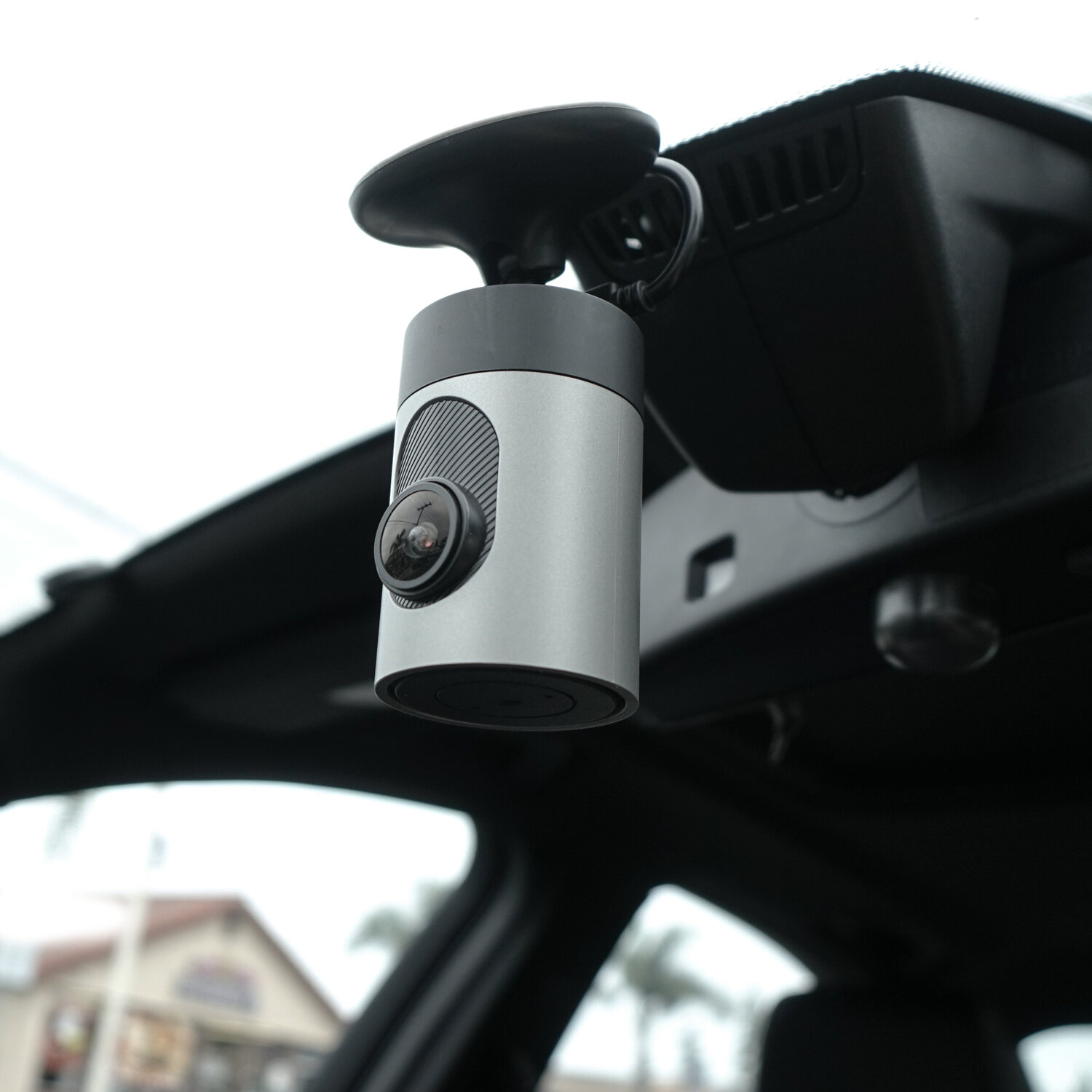
Position the dash cam to cover key areas around your car. Make sure the lens is clean and unobstructed. Use a memory card with enough space for extended recording. Some dash cams automatically overwrite old footage. Enable motion detection or impact sensors to record only when needed. This saves storage and captures important events.

Credit: www.youtube.com
Credit: www.grdian.com
Frequently Asked Questions
How Does A Dash Cam Record When The Car Is Off?
A dash cam uses a parking mode feature to record while the car is off. It relies on a built-in battery or constant power from the car’s fuse box. Motion or impact sensors trigger recording, protecting your vehicle even when parked.
Can Dash Cams Drain Car Battery When Off?
Yes, dash cams can drain the car battery if connected improperly. Using a hardwire kit with a low-voltage cutoff prevents battery drain. Some models have built-in battery protection to avoid draining your car’s battery while parked.
What Powers A Dash Cam When The Engine Is Off?
Dash cams get power from an internal battery or a constant power source. A hardwired connection to the fuse box provides continuous power. This allows the dash cam to operate and record even if the car engine is off.
Do All Dash Cams Record In Parking Mode?
No, not all dash cams have parking mode recording. Parking mode requires motion or impact sensors and continuous power supply. Check your dash cam’s specifications to ensure it supports recording when the car is off.
Conclusion
Dash cams can keep recording even when the car is off. They use a special power source or battery backup. This helps capture events like accidents or thefts. Understanding this feature helps you choose the right dash cam. It offers extra security and peace of mind.
Always check your dash cam’s settings and power options. This ensures it works properly when parked. Small steps can protect your car better every day.