
Have you ever wondered if backup cameras are something your car must have? You might think they’re just a fancy extra, but the truth could change how you see your safety on the road.
Imagine avoiding costly accidents or protecting your loved ones every time you reverse. This article will clear up the confusion around backup cameras and explain why they matter for you and your vehicle. Keep reading—you’ll discover important facts that could make a real difference the next time you get behind the wheel.
Credit: www.auto-vox.com
Laws On Backup Cameras
Backup cameras have become a crucial safety feature in modern vehicles. But are they required by law everywhere? Understanding the legal landscape helps you know what to expect when buying or driving a car in different countries.
Countries With Mandatory Rules
Several countries have made backup cameras mandatory for new vehicles. The United States, Canada, and the European Union are among those with clear regulations requiring these cameras.
- United States:Since 2018, all new cars must have backup cameras installed.
- European Union:Backup cameras became mandatory for new models starting in 2022.
- Canada:Mirrors alone are not enough; cameras are required on most new vehicles.
Other countries are gradually adopting similar rules, but enforcement and timelines vary.
Implementation Timeline
The timeline for making backup cameras mandatory often spans several years. Governments usually announce rules well in advance to give manufacturers time to adjust.
For example, the U.S. announced its requirement in 2014, giving a four-year window before enforcing it in 2018.
This delay helps avoid sudden price hikes or supply chain issues. Have you noticed how newer car models almost always include a backup camera? That’s a result of these phased timelines.
Exceptions And Exemptions
Not every vehicle is required to have a backup camera. Small manufacturers or specialized vehicles sometimes get exemptions.
- Vehicles under a certain weight limit, like motorcycles or some small trucks, may be exempt.
- Classic or antique cars often don’t have to comply, preserving their original design.
- Some commercial vehicles might use alternative safety technology instead of cameras.
Understanding these exceptions can help you decide if your vehicle needs an upgrade or if you’re already covered. Are you driving a vehicle that falls into one of these categories?
Safety Benefits Of Backup Cameras
Backup cameras improve safety by giving drivers a clear view behind the vehicle. They reduce risks while reversing and make driving easier. Many accidents happen because drivers cannot see objects or people behind their cars. Backup cameras help prevent these accidents by showing blind spots and tight spaces.
Reducing Blind Spots
Backup cameras show areas behind the car that mirrors cannot. These blind spots hide children, pets, or obstacles. The camera gives a wide view, so drivers see everything clearly. This extra vision lowers the chance of hitting something unseen.
Preventing Accidents
Backup cameras alert drivers to dangers before moving. They help spot pedestrians, cyclists, and other vehicles. Drivers get more time to react and stop if needed. This reduces crashes and injuries in parking lots and driveways.
Enhancing Parking Precision
Backup cameras guide drivers while parking. They show exact distances from walls or other cars. This makes parallel parking and tight spots easier. Drivers avoid scratches and dents by parking carefully using the camera.
Choosing The Right Backup Camera
Choosing the right backup camera can transform your driving experience, making parking and reversing safer and less stressful. With various options available, it’s important to find one that fits your vehicle, budget, and needs. Let’s look at the key factors to consider before making your choice.
Types Of Backup Cameras
Backup cameras come in several styles, each offering different benefits. The most common types include:
- Wired Cameras:These connect directly to your car’s display system and generally provide a stable, high-quality image.
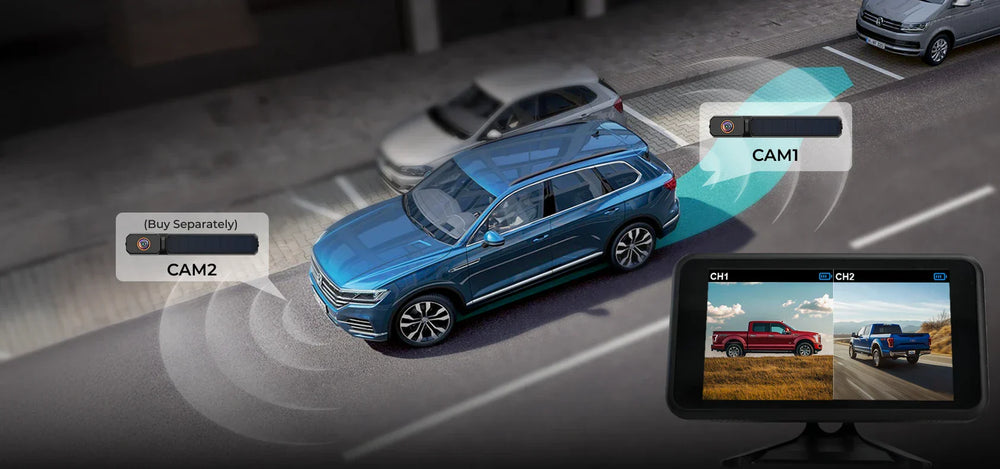
- Wireless Cameras:Easier to install, they transmit video signals without cables, but may occasionally face interference.
- License Plate Cameras:Mounted around the license plate, these blend in well and give a clear rear view.
- Flush Mount Cameras:Installed inside the bumper, they offer a sleek look and protection from damage.
Think about how and where you want your camera mounted. Would you prefer something discreet or more visible? Your choice affects both function and style.
Installation Options
Installation can be DIY or professional. If you’re comfortable with basic tools and your car’s wiring, installing a wireless camera might be straightforward.
However, wired cameras usually require more technical work, such as running cables through the vehicle, which some may find challenging.
Professional installation ensures a clean setup with minimal hassle, but it comes at an extra cost. Are you willing to invest in expert help, or do you prefer a hands-on project?
Cost And Maintenance
Backup cameras vary widely in price, from budget-friendly models around $50 to premium systems costing several hundred dollars.
Keep in mind that cheaper cameras may have lower image quality or durability. Maintenance is also a factor—cameras exposed to dirt and weather might need regular cleaning or occasional repairs.
Consider the long-term value. Is it better to spend a bit more upfront to avoid frequent replacements? Your choice should balance cost with reliability and ease of upkeep.

Credit: www.auto-vox.com

Credit: www.carsales.com.au
Frequently Asked Questions
Are Backup Cameras Mandatory On All New Cars?
Yes, backup cameras are mandatory on all new cars sold in the U. S. since May 2018. This rule enhances driver safety by reducing blind spots and preventing accidents while reversing.
Why Did Backup Cameras Become Mandatory By Law?
Backup cameras became mandatory to improve road safety. They help drivers see obstacles behind the vehicle, lowering the risk of collisions and injuries, especially to children and pedestrians.
Do Backup Cameras Improve Overall Driving Safety?
Backup cameras significantly improve safety by providing a clear rear view. They reduce blind spots, making parking and reversing safer and easier, thus preventing accidents and property damage.
Are Backup Cameras Required In Commercial Vehicles Too?
Yes, many commercial vehicles must have backup cameras. This requirement helps prevent accidents during complex maneuvers in tight spaces, protecting drivers and pedestrians alike.
Conclusion
Backup cameras improve safety by showing clear views behind cars. Many countries now require them in new vehicles. They help prevent accidents and save lives. Drivers feel more confident when reversing or parking. Older cars may not have this feature, but adding one is possible.
Safety rules keep changing to protect everyone on the road. Choosing a car with a backup camera is a smart move. It makes driving easier and safer for all. Simple technology, big safety benefits.